 The Mountaineers
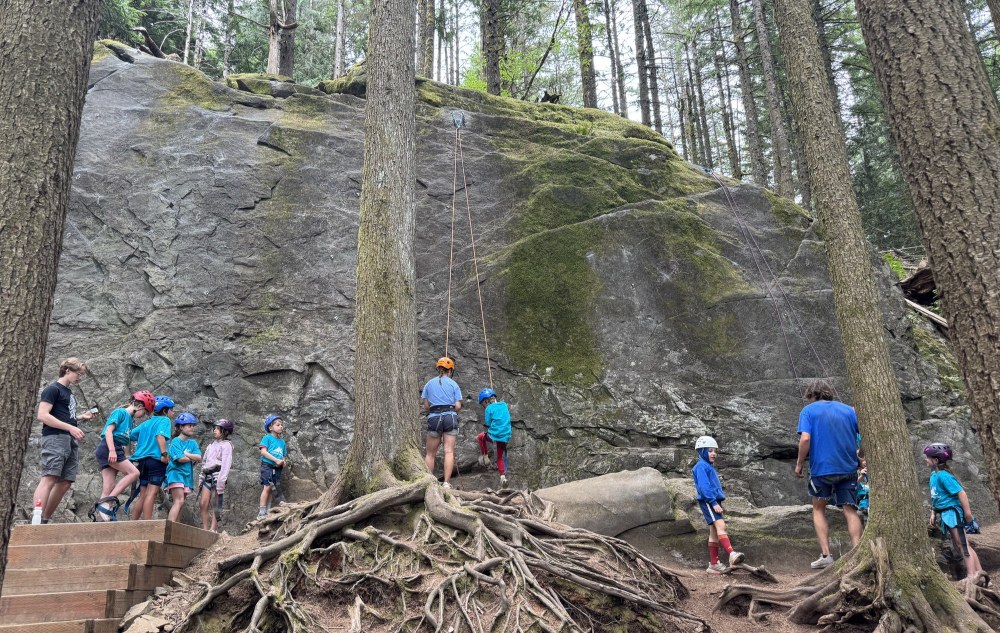
As we continue to defend public lands from an onslaught of threats from Congress and the administration this year, the next few months also represent an important opportunity to advocate for Washington's state parks, trails, and recreation areas. These state-managed lands - places you know and love like Moran State Park, Tiger Mountain State Forest, and Frenchman’s Coulee climbing area - support Mountaineers programs and connect us to special human-powered outdoor experiences.
Washington’s state land managers need more resources to sustainably manage increased use, mitigate climate change impacts, and better protect natural and cultural resources. But challenging fiscal headwinds mean state legislators will continue to face tough decisions about what to fund and what to cut in this year’s state budget. Washington State Parks, the Department of Natural Resources (DNR), and the Department of Fish and Wildlife (DFW) are increasingly asked to do more with less, and rely on the recreation community to advocate for the places they steward.
With the 2026 Washington state legislative session underway, we share more on the current lay of the land in Olympia and how we’ll be advocating to defend investments in public lands and outdoor recreation.
Funding Cuts and a Challenging Fiscal Environment
Last year, needing to address a more than $10 billion shortfall in the state’s operating budget, the legislature cut funding for maintenance and operations on state lands and outdoor education programs like No Child Left Inside. On top of the recent funding cuts and bleak state revenue projections, communities and public lands across the state are in critical need of disaster recovery funding to respond to historic flooding.
The Washington state government operates on a two-year budget cycle. This legislative session, lawmakers are charged with developing and passing the 2026 supplemental state budget, which essentially adjusts and calibrates state spending for the next year. With increasingly challenging state revenue projections for the next several years, we anticipate additional budget cuts across programs.
Last month, Governor Bob Ferguson released his proposed 2026 supplemental budgets, which provide an initial framework of potential policy changes for legislators to consider as they draft, consider, and pass the next state budget over the next few months. The Governor’s budget - which relies almost exclusively on spending cuts - includes some proposed changes to some of our top legislative priorities.
The Mountaineers and our Outdoor Alliance Washington partners will continue to advocate together in the legislature to defend recent investments and strive for targeted opportunities for additional funding for the outdoors. In the coming months we’ll be meeting with lawmakers, writing advocacy letters, and engaging with land managers, Tribes, and our recreation partners to rally support for important initiatives to fund public lands.
The Mountaineers 2026 State Legislative Priorities
Maintaining and securing investments in state land management agencies in the 2026 supplemental operating budget will allow land managers to continue to address maintenance and operations needs on their lands, manage recreation sustainably, and protect natural and cultural resources for all. Accounting for the extremely short session and the likelihood of additional cuts, we’re focusing our advocacy on two operating budget priorities.
Defending Investments in Maintenance and Operations on State Lands
One of our top advocacy priorities this session is to defend the ongoing maintenance and operations (M&O) funding secured for all three land management agencies in 2022. This critical funding enables agencies to undertake high priority projects as well as plan, manage, and monitor recreation lands. M&O funding has helped repair trails and parking lots, fix shelters and roofs on visitor facilities, improve campground facilities, and much more. This funding represents a significant percentage - approximately 20-50% - of each agency’s maintenance and operations spending.
M&O funding sustained a one-time 25% cut last year, and the Governor’s proposed budget reduces this funding further by $0.5 million to $1.5 million per agency. Additional cuts to this critical funding would hamstring land managers and make the work of maintaining recreation infrastructure more difficult.
Funding for State Agencies and Tribes to Study and Address Recreation Impacts
Similar to last year, we’re continuing to advocate for funding for state land management agencies and Tribes to better manage recreation on state lands and protect natural and cultural resources. To further address Tribal concerns about recreation impacts on Tribal treaty rights, we’re advocating for $2 million in capacity grants to directly support Tribal participation in the State-Tribal Recreation Impacts Initiative (STRII). We’re also supportive of funding to continue third party facilitation of the STRII process. Both of these items are outlined in the Governor’s budget, so we’ll be sharing about the importance of this funding and how it can shape a more sustainable future for Washington’s state lands.
Additional Priorities
We’ll be keeping an eye on funding for Washington’s No Child Left Inside program. This landmark program that previously funded The Mountaineers youth-serving partner programs was cut by 75% last year. We stand ready to advocate with partners to ensure this program isn’t eliminated entirely. With flood recovery top of mind for many communities across the state, the legislature will also consider how to best invest in recovery funding this session. The Mountaineers and our partners will be tracking those conversations and poised to speak up for restoring access to public lands through that process.
Get Ready to Advocate
As the 2026 state legislative session progresses, we’ll keep our community updated on opportunities to join our advocacy and share why investing in state lands is important to you. We plan to provide an opportunity for our community to take advocacy action when lawmakers need to hear from you most. Until then, think about your connection to Washington’s state parks and public lands and get ready to advocate by taking our Advocacy 101 eLearning course. We look forward to having your voice with us.
