 The Mountaineers
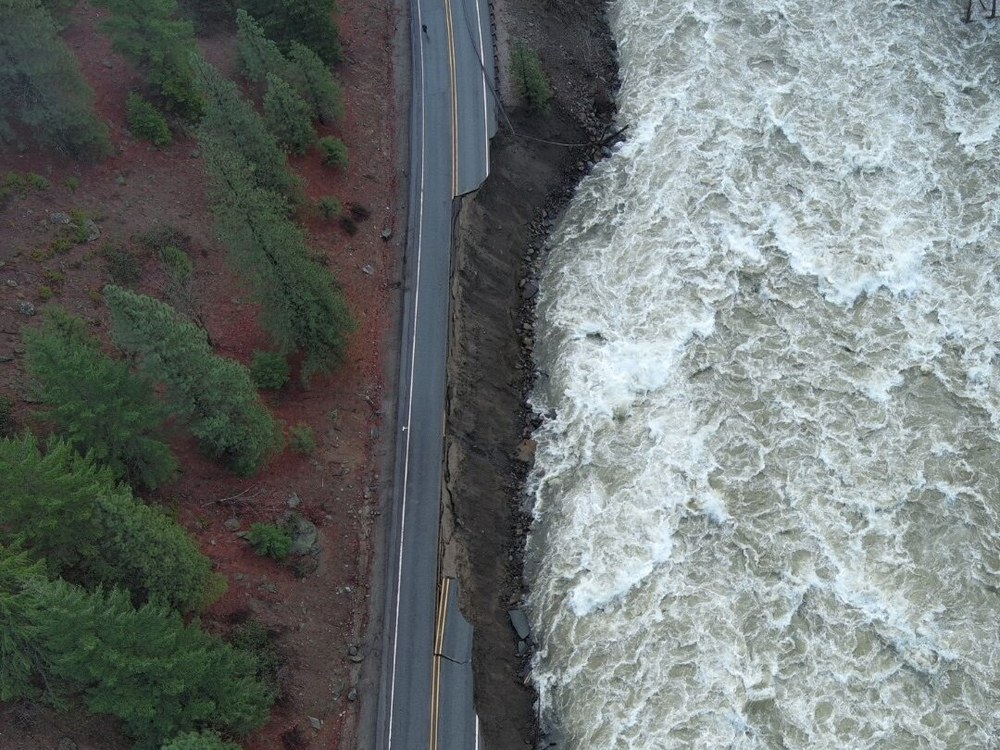
Last month, a series of torrential rainstorms known as atmospheric rivers hit Washington, triggering destructive flooding and landslides across the state. Homes, businesses, roads, bridges, trails, levees, and other critical infrastructure were damaged or destroyed. Rivers including the Snoqualmie, Snohomish, Skagit, and Nooksack flooded, reaching record or near-record levels in some places. Throughout the Cascades, these storms caused widespread damage, blocking major transportation routes and cutting off access to many beloved recreation sites.
Communities are now facing the difficult work of recovery. State and local agencies have moved quickly to assess impacts and begin repairs, but rebuilding will take time. Our hearts are with those who lost homes and businesses, endured evacuations, or were otherwise impacted by the December storms.
Beyond the immediate dangers to communities and transportation networks, the storms left lasting scars across Washington’s public lands. Areas where Mountaineers members hike, climb, ski, camp, and bike experienced extensive storm damage, and the roads used to reach those places face long-term closures and costly repairs. The Mountaineers is working alongside recreation partners and land managers to elevate impacts to public lands and advocate for the resources needed to repair and rebuild.
WHAT FLOODING IMPACTS MEAN FOR OUTDOOR RECREATION
Some atmospheric river impacts are well documented, but many more remain unknown. Due to the vast geographic scope of the storms, their winter timing, and limited agency capacity to conduct a thorough survey, it may be months before the full extent of the damage is understood.
What we do know comes from impacts along major access routes and well-known destinations. U.S. Highway 2 through the Stevens Pass corridor was closed for weeks, severely limiting access to winter recreation at Stevens Pass and surrounding areas, and is now partially reopened with detours and limited hours. On the shores of Lake Chelan, Holden Village was closed for the rest of the winter season and 40 staff members were evacuated after landslides destroyed the only access road. A major washout on the Suiattle River Road cut off the Sauk-Suiattle Tribe's access to its ancestral lands in the area and blocked the way to many trails in the Glacier Peak Wilderness.
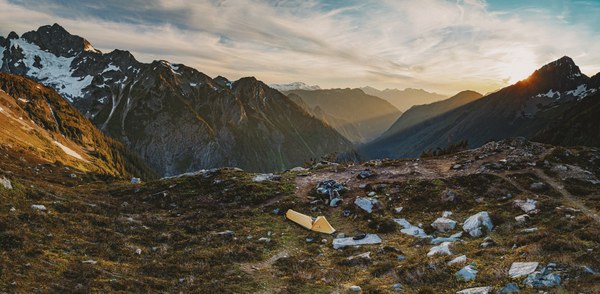
These visible impacts help tell a larger story about what we don’t yet know. If storms caused this level of damage to heavily traveled highways and access roads, damage to recreation infrastructure on more remote public lands is likely widespread and severe. In the months ahead, we expect to see many trails and forest roads blocked or damaged by downed trees, landslide debris, soil slumps, washouts, blown-out culverts, and missing bridges.
The December storms have had and will continue to have impacts to Mountaineers programs and activities. Fortunately, The Mountaineers lodges - Baker, Stevens, and Meany - emerged relatively unscathed from the storms. Access to Baker and Stevens was cut off temporarily, but all three lodges are open and hosting guests and programs. We expect trail, road, or area closures will impact Mountaineers programs as more damage becomes known.
SUPPORTING LAND MANAGERS IN STORM RECOVERY
Our partners at the Forest Service have shared that their immediate priority is cataloguing damage to better understand the impacts of the storms and support funding requests. This inventory is essential, but land managers are already stretched thin. Even before the December storms, agencies faced shrinking budgets, reduced staff, and a significant backlog of deferred maintenance. Now, on top of these challenges, they are juggling emergency response, public safety closures, and long-term rebuilding efforts.
These capacity challenges matter because outdoor recreation is central to our state’s identity and economy. More than 90% of Washingtonians participate in outdoor recreation on our public lands, spending 26.5 billion dollars annually and supporting 264,000 jobs. When recreation infrastructure is damaged, and when agencies lack the resources to fully assess and repair it, the impacts ripple far beyond trailheads and campgrounds.
That’s why The Mountaineers, in partnership with Outdoor Alliance Washington, is advocating to ensure that outdoor recreation infrastructure is included as disaster recovery funding becomes available. Elevating recreation impacts is a critical step in advocating for the resources land managers need to restore access, improve safety, and rebuild more resiliently.
HOW YOU CAN HELP
Mountaineers members can play a critical role. With our community of roughly 17,000 avid recreationists, The Mountaineers is primed to serve as the eyes and ears on the ground for land managers, helping to assess and document damage to our public lands. Next time you see storm impacts while out adventuring, whether it’s a washed-out bridge on your favorite trail, a tree or landslide blocking a forest road, or flooding damage to a local campground, take a minute to fill out our Recreation Impacts Survey. These impact stories can help inform our advocacy with lawmakers and land managers and strengthen the case for investing in recreation recovery.
If you visit Washington’s public lands this winter, be aware of potential hazards and mindful of closures and construction zones. Check land management agency websites for current road and trail closure information before heading out. You might also want to look at recent trip reports for further details about conditions. Remember to always respect closures to avoid worsening damage and risking your own safety and that of first responders. If you know a trail has been affected by storm damage, consider choosing an alternate destination to give the affected area time to heal.
Recovery from an event of this scale will take time. But rebuilding also presents an opportunity to improve access, strengthen resilience, and ensure our public lands are better prepared for future climate-driven events. Through collective stewardship, we can help make outdoor recreation on Washington’s public lands more sustainable for the future.
