 The Mountaineers
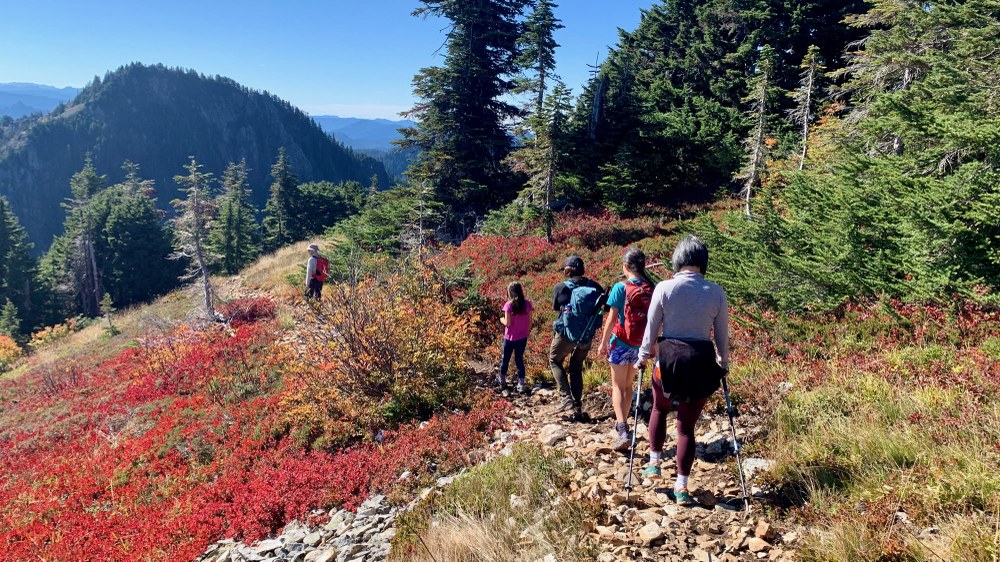
At The Mountaineers, we know the critical role that federal land managers like the Forest Service play in the conservation and stewardship of our public lands. Behind each trail improvement, bridge replacement, and forest health project on your favorite national forest is the support and expertise of regional agency staff. Regional capacity, knowledge of local landscapes, relationships in forest communities, and on-the-ground experience are increasingly critical to carrying out the mission of the Forest Service - work that can look different from forest to forest.
In the wake of significant staff reductions at the Forest Service this year, the U.S. Department of Agriculture (USDA) is seeking to reorganize the agency, likely shifting away from a longtime organizational structure that emphasizes regional knowledge and local collaboration. The USDA is currently accepting public input on their draft memorandum to reorganize the Forest Service.
The plan is short on detail, but it specifically names phasing out the nine Forest Service Regional Offices over the next year - a move that would hamstring the agency's ability to manage each forest in a way that centers local partnerships and collaboration. Speak up for the importance of regional staff and expertise at the Forest Service by submitting a public comment by emailing USDA by September 30.
Effective Forest Management From the Ground Up
After rounds of layoffs and workforce reductions over the last year, the Forest Service has lost critical staff who do recreation planning, trail restoration, wildfire mitigation, and conservation planning, among other work. How the agency builds a more resilient future from here remains to be seen. Now isn’t the time to undercut the Forest Service’s ability to make the best management decisions for local communities, tribes, and a diverse array of forest stakeholders.
Staff and leadership affiliated with the Forest Service’s Pacific Northwest Regional Office (Region 6) in Portland, Oregon support natural resources management and sustainable outdoor access across 8.2 million acres of Washington’s five national forests. One of the critical functions of regional staff is the servicing and support of partnership agreements with nonprofits like Washington Trails Association, the Mountains to Sound Greenway Trust, and Evergreen Mountain Bike Alliance. These agreements are critical to supporting on-the-ground recreation projects on national forests.
While the agency has already lost 25 percent of non-fire staff nationally, some forests in Washington have lost as much as 70 percent of their recreation staff, underscoring the need for regional support. Leveraging local collaboration and partnerships, upholding tribal treaty rights, and adapting to local challenges would be nearly impossible without a thriving regional operation. We can achieve results for the forests we love - and those who love to experience them - when we work together through local engagement and collaboration.
Speaking Up for the Forest Service
The Mountaineers is advocating with Outdoor Alliance and other partners on behalf of the vital functions that regional staff and programs serve in the management of national forests across the Pacific Northwest and beyond. We’ve joined Washington Trails Association and other recreation stakeholders to highlight the importance of local and regional staff in the Forest Service’s Pacific Northwest Region through a group comment letter. Here are few of our asks of the agency as they consider what the future of the Forest Service will look like:
- Continue to locate key staff members in the Pacific Northwest to support nonprofit partnerships and maintain Region 6’s highly developed and successful network of volunteers.
- Maintain Forest Service positions needed to support strong partnership relationships, including staff able to manage grants and agreements. Locate these staff locally so relevant personnel can maintain an understanding of key partners, forest priorities, and local conditions.
Take Action
Additional comment letters from outdoor enthusiasts like you are an important way to elevate the value of regional expertise in forest management. The agency is accepting public comments until September 30, and this is a key opportunity for the recreation community to weigh in about the future of the Forest Service.
Everyone who cares about our forests, trails, and the outdoor experiences they support should speak up during this public comment period to strengthen how the USDA stewards our national forests into the future. Here are some of the points we’ve highlighted in our advocacy that you can build on in your own comments.
- Partnerships: Partnerships are a key part of the stewardship of our national forests, and thriving local and regional partnerships lead to more sustainable forest management solutions and a wider stewardship impact. Local communities, volunteers, and nonprofits working alongside the Forest Service depend on regional staff who can provide expertise, coordination, and technical support.
- Permitting: Organizations like The Mountaineers hold recreation special use permits for outfitting and guiding with the Forest Service. The potential elimination of Forest Service regional capacity puts access through the special uses permitting process at risk due to the loss of specialized expertise and technical assistance.
- Geographic proximity and institutional knowledge: We are deeply concerned about the geographic disconnect between many National Forests and the proposed regional hubs. In particular, the Pacific Northwest is placed at a significant distance from the nearest hub in Salt Lake City, Utah.
Before you email your comments, consider personalizing your letter by highlighting your local experience on Northwest national forests and sharing stories that illustrate the value of collaboration with local communities to forest management.
