 Seattle Scramble
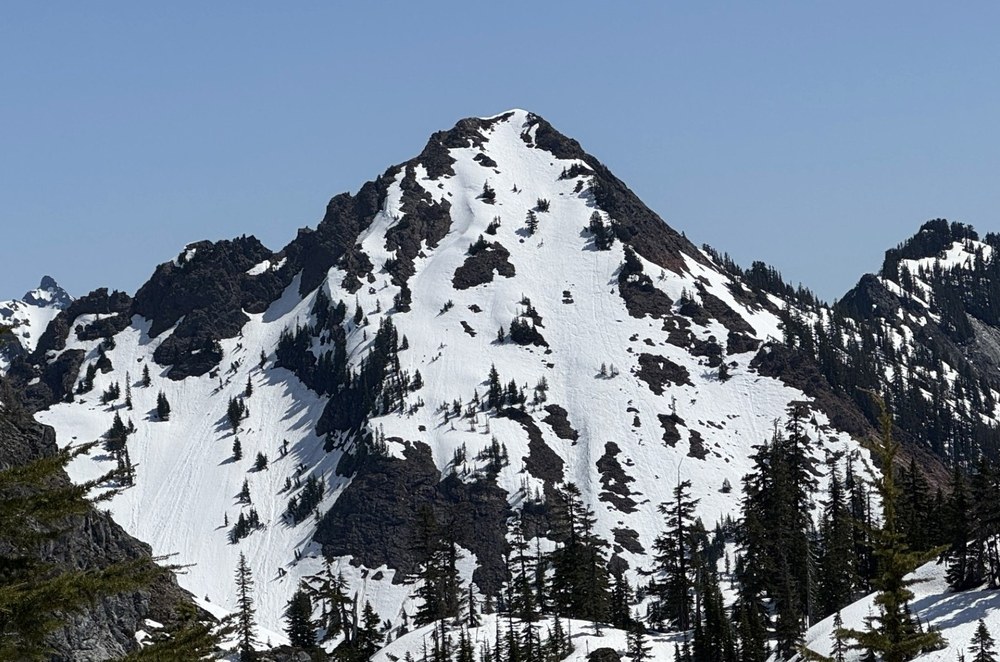
The following lessons learned were compiled from trip participants and scramble committee leadership in response to a fall on Red Mountain. Not all are direct contributors to the fall, but conclusions or guidance to prevent future similar accidents.
Behavioral and Leadership
Situational awareness and focus. The fallen scrambler reported: “I got complacent up there, chose a poor resting spot, and my side hill grip blew. Ice axe ripped out of my hands on the first self arrest attempt.” This highlights the need to use solid practices and technique and stay mentally engaged even at times that feel routine.
Group Management. A) Stay together as a group especially on technical terrain. When kicking steps in snow, it is best practice for the group to follow in the same steps, while improving them for the person/people behind. Get together as a group at the start of the technical terrain/ascent to discuss route and equipment considerations such as helmet, crampons, rockfall risk, etc. B) Decisions to split a group need to be made very critically and thoughtfully with considerations including leadership responsibilities, communications, incident response protocols, and acceptance by all group members.
Adapting to the capabilities of the group. Leaders need to consider and/or adjust to the experience level and observed skill level of participants. Create the environment and set expectations for participants to speak up if they are not confident in their skills or are concerned about the terrain. Consider opportunities to review and/or practice or demonstrate skills before getting in challenging/risky terrain.
Equipment requirements. In terms of gear, err on the side of having but not needing, versus not having and needing (or desiring to have). Put on/get out technical gear before getting into the terrain where it is required. (Note the fallen scrambler had crampons on, ice axe in use, and very fortunately was wearing their helmet). Strongly consider canceling, turning around, or adjusting trip plans if anyone does not have (potentially) required gear.
Technical and Training
Snow travel skills and technique. Give more instruction and emphasis on walking in balance, including stepping and footwork techniques and attention to safety when stopped/resting.
Ice axe grip: cane versus self-arrest (refer to Freedom of the Hills 10th edition, page 355, figure 16-10). This continues to be a very substantial concern of Seattle Scrambling Leadership. The confidence level in the ability of a scrambler or climber to successfully transition from cane grip to self arrest grip while experiencing a fall event is low, at least without substantial experience and practice and even then introduces a potential point of failure. Seattle Scrambling Leadership strongly advocates for the use of the self arrest grip especially when traveling in terrain that may require a self arrest.
Self arrest need and reaction time. Don’t assume that conditions are favorable enough to stop a fall without self arresting (e.g. by just digging in hands or feet). Emphasize the need to assertively initiate action to stop a fall/slide before speed increases, momentum is picked up, and/or dangers are reached (e.g. rocks, ledges, cliffs, steeper terrain)
Crampon usage and experience. Recognize that representative snow conditions are often not available during course activities or student snow scrambles to effectively practice and demonstrate crampon techniques. This reinforces the need for conservative decision-making around terrain and participant readiness. Another strong consideration for #3 above.
Giving Space After an Incident
The incident at Red Mountain was in a popular recreation zone and was further well-publicized on the search and rescue page which left trip participants limited space to breathe after the incident.
In the aftermath of an incident, it’s natural to want answers. Experienced outdoorspeople in particular may feel a strong pull to understand what happened — both out of concern and a desire to learn. But timing and approach matter. After an incident, those directly involved are often processing shock, replaying decisions, and coping with stress or trauma. Immediate requests for detailed explanations can feel overwhelming or even accusatory, particularly if they come before individuals have had time to reflect, rest, and regain perspective.
A key lesson is to give people space in the immediate aftermath. If you’re not directly involved in the response, consider pausing before reaching out. Ask yourself whether your questions are urgent, or whether they can wait. When you do follow up, framing matters — lead with care, not critique.
Creating a culture of learning in the outdoor community depends not only on sharing information, but on doing so in a way that respects the people involved. Allowing time and space after an incident makes it more likely that, when individuals are ready, they can share their experiences in a way that is constructive, reflective, and ultimately more valuable to others.
We are grateful for those involved with this incident for sharing their perspectives!
This is part three of a three-part series. Please read Part 1 for an incident overview and Part 2: The Long Fall to get the complete picture about what happened, how it felt, and lessons learned.
