 Thomas Bancroft
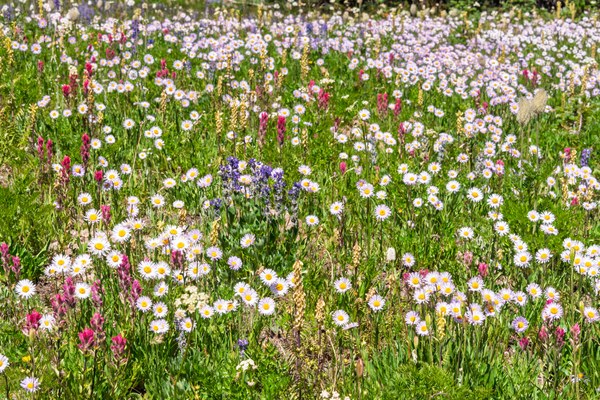
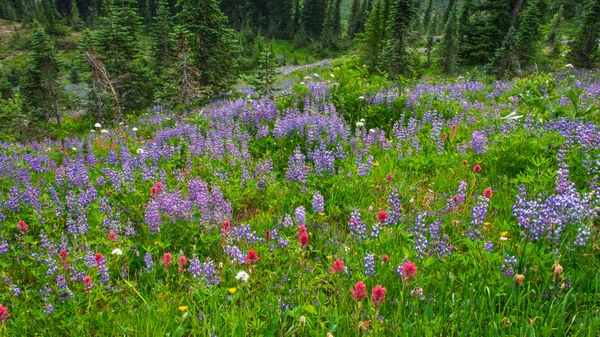
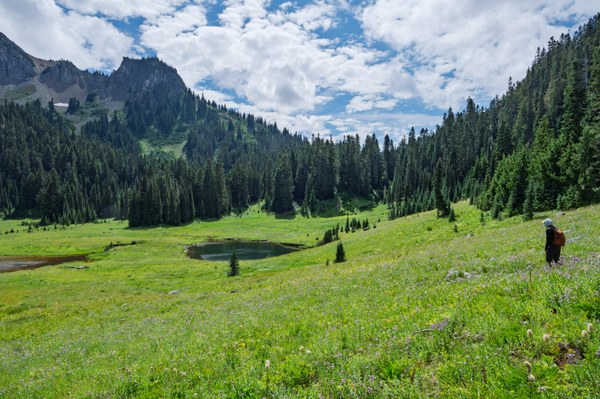
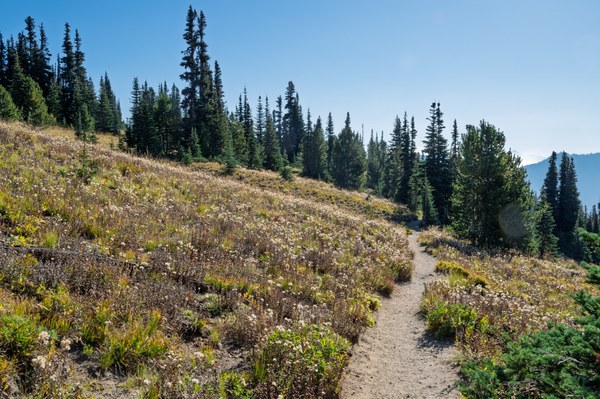
A stunning mosaic of purples, magentas, yellows, and whites filled the green meadow, subtly contrasted by the darker firs behind. In the light breeze, the flowers resembled a spinning kaleidoscope. On this July day, the subalpine meadow before me was at its flowering peak. All I could do was stare across Berkeley Park and breathe in the deep, sweet aroma of life regenerating itself.
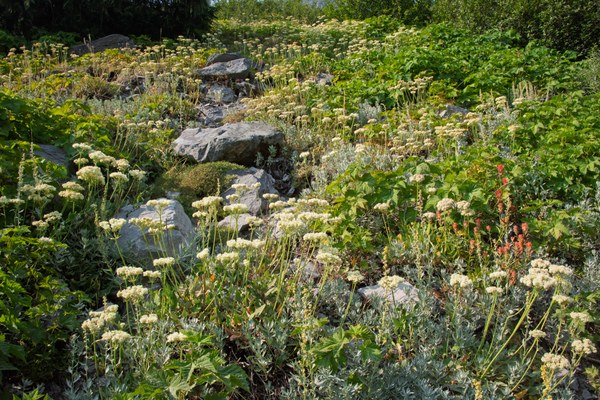
Numerous trails at Mount Rainier National Park cross subalpine meadows. When the snow recedes, the meadows explode into blossom. Snow, rain, temperature, and changing climatic patterns affect flowering, and understanding how these factors – especially climate change – influence phenology is critical to conserving the Park’s biota. The University of Washington and the National Park Service have developed a remarkable citizen science program known as MeadoWatch to investigate the impact climate change has on flowering and seed production at Mount Rainier.
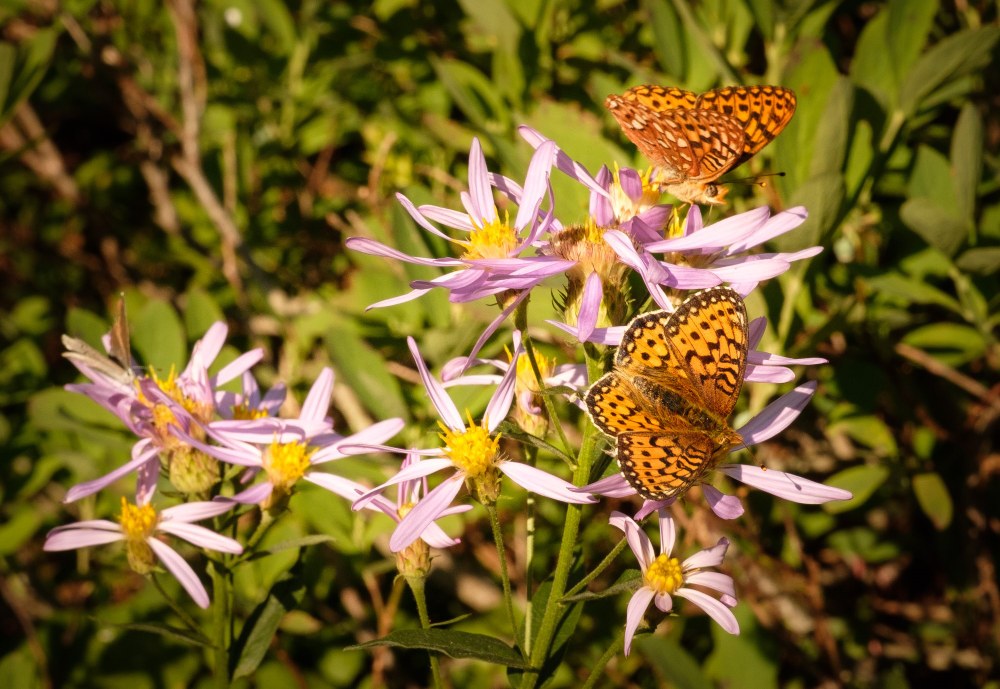
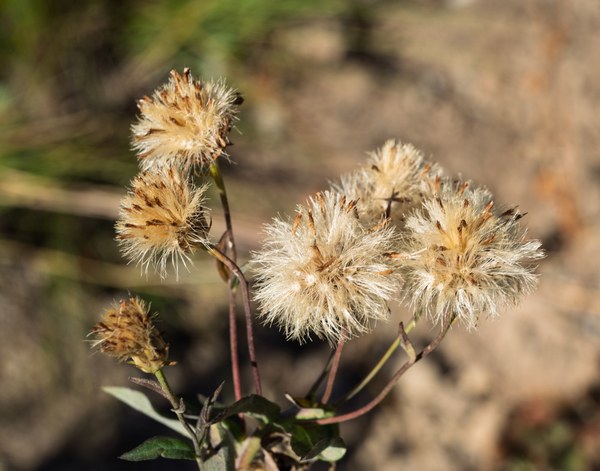
MeadoWatch has been underway for more than a decade and attracts many Mountaineers volunteers. The program focuses on two locations in the Park: Glacier Basin and Reflection Lake, and each summer, a cadre of people hit the trails to track budding, flowering, fruiting, seed production, and seed release. This past summer, MeadoWatch also ran a pilot program to track important pollinators and assess the impact of climate change on pollination and the genetic diversity maintained through the transfer of pollen between plants.
Learn More About MeadoWatch’s Findings on Nov 18
Join us for a magnificent presentation by Dr. Berry Brosi of the University of Washington, who – along with Dr. Hilli Ris Lambers – oversees the MeadoWatch project. Brosi will discuss the current results of this project and their plans for the future. The presentation will be over Zoom and a recording will be available for registrants.
MeadoWatch: A Citizen-Science Program on Wildflower Timing in Mt. Rainier National Park
November 18, 2025
7pm
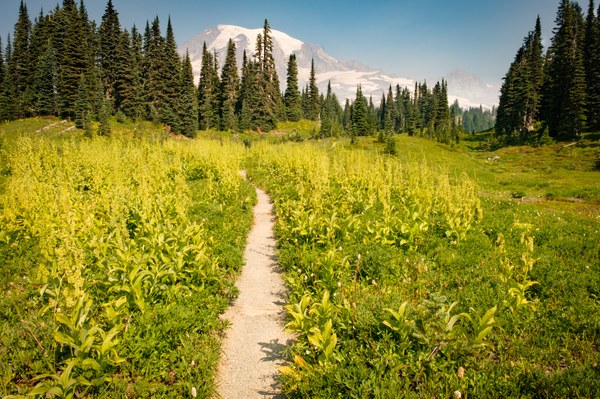
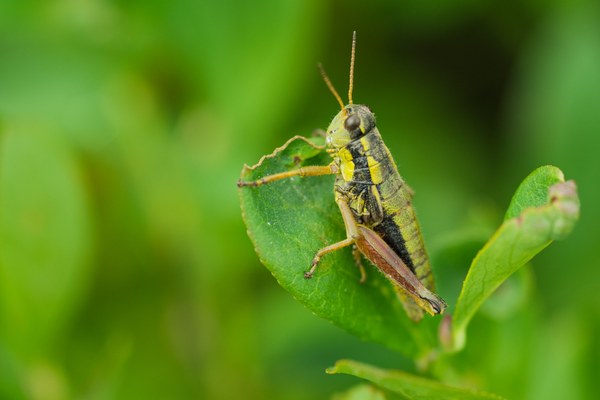
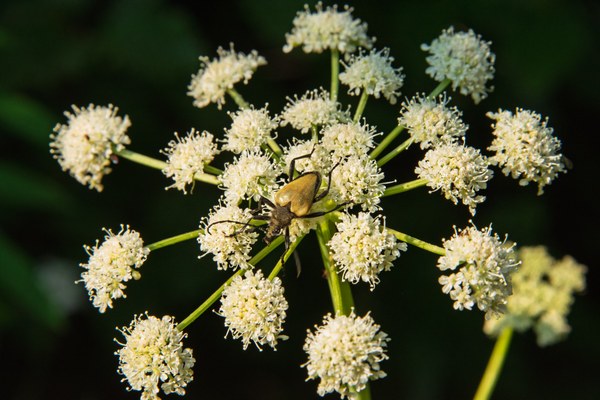
As I write this, I am reminded of how wonderful this past summer was at Mt. Rainier National Park. I was lucky enough to lead six Mountaineer hikes and do several scouting trips for future hikes. The flowers were breathtaking, and it was interesting to see how they varied from early July through late September. The ecosystem in the Park is dynamic and full of wonder.
I look forward to joining you all on Tuesday, November 18, to hear about the study’s results, how the pilot project on pollinator-plant interactions went, and how volunteers help make this vital science happen. After the presentation, you may feel inspired to volunteer with MeadoWatch yourself. Or, if you are already a volunteer, I hope you enjoy the fruits of your labors.
Add a comment
Log in to add comments.
This is a great program. I've participated since 2018. I highly recommend that people learn more about Meadowatch and consider participating next summer.
