 Charlie Michel
One of the ways we're reducing our organization's impact on the environment is by educating our community about sustainability and how we can collectively reduce our carbon footprint as Mountaineers. This includes sharing about the Carbon Footprint Reduction Committee’s work to reduce the carbon impact of Mountaineers facilities and operations, as well as steps you can take to reduce your individual carbon footprint.
To make meaningful progress on the climate crisis, we need to stop burning stuff. That includes the natural gas, propane, or oil commonly used to heat our homes. Fortunately, there’s an alternate heating source that’s better for the planet and can also save you money: the electric heat pump.
Heat Pumps 101
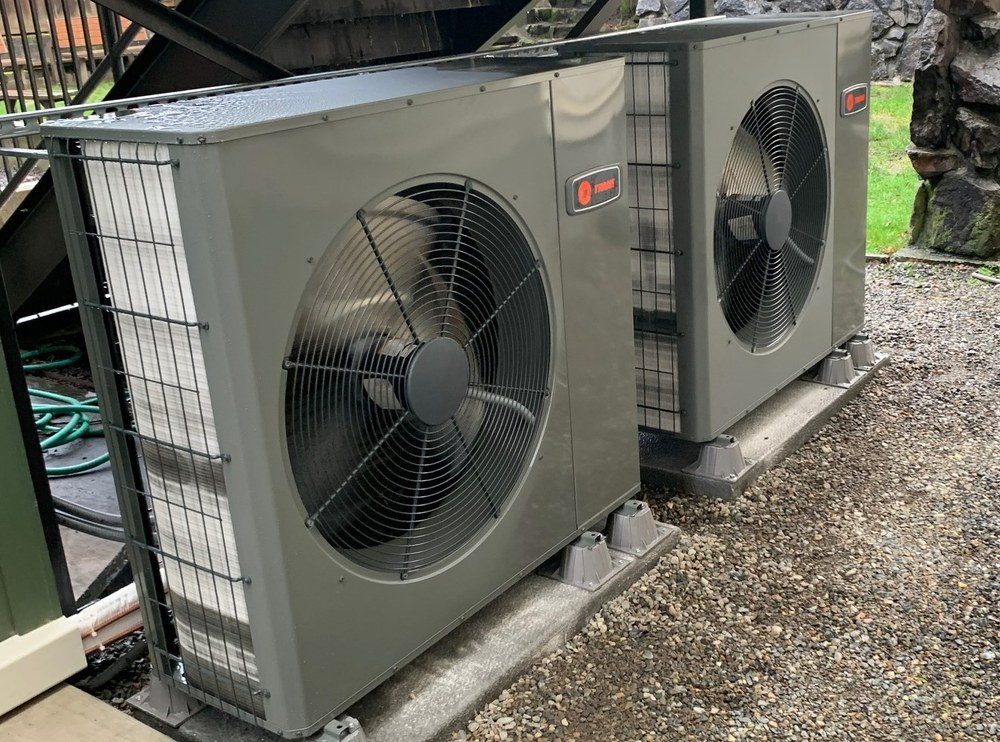
A typical Seattle home burns around 600 therms of natural gas each year for heating, resulting in approximately 3.2 tons of carbon dioxide emissions. For context, the average American’s carbon footprint is about 16.5 tons annually. A heat pump, by contrast, doesn’t generate heat by combustion. Heat pumps move heat from outdoor air into your home - even on cold days - using electricity. Thanks to advances in technology, modern heat pumps are incredibly efficient, often delivering three units of heat for every one unit of electricity consumed. Even better, more and more of that electricity is coming from renewable energy sources.
Heat pumps aren’t just for homes. They play a critical role in The Mountaineers efforts to achieve net zero carbon emissions for our programs and facilities. Since spring 2024, the Tacoma Program Center - our first net zero energy facility - has been heated and cooled using rooftop solar panels to power a heat pump system. We’re currently working to fund the installation of heat pumps at our Seattle Program Center - a critical step in achieving net zero in Seattle. (The Seattle Program Center’s solar panel system has about enough excess production to run heat pumps.)
Transitioning from a fossil fuel-based home heating system to an electric heat pump is a great way to reduce your personal carbon footprint and fight the climate crisis - one day at a time. While transitioning to a heat pump is a significant up-front investment, there is fortunately some financial support available to homeowners.
Considering making the switch? Let’s unpack the financial incentives, how to calculate your ongoing monthly savings, and how to prepare for transitioning to an electric heat pump.
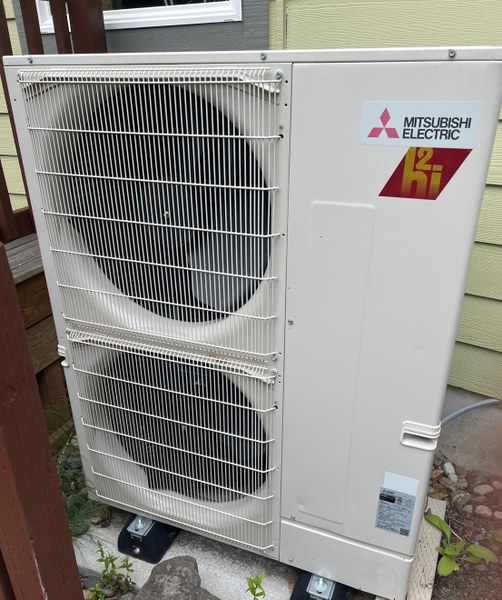
A Home heat pump system. Photo by Charlie Michel.
Financial Incentives - Now is the Time to Switch
There are three types of financial incentives available to support the installation of a home heat pump system: federal tax credits, state rebates, and utility-based incentives. Through the end of 2025, you can still claim a $2,000 federal income tax credit for installing a qualified heat pump system. This is part of the broader set of clean energy tax credits available under the Inflation Reduction Act (IRA).
Washington residents can also access rebates of up to $8,000 through the Washington State Department of Commerce’s Inflation Reduction Act Energy Rebates program. These should be available through 2031 or until federal funding runs out. Eligibility is based on income. You may qualify if your household income is equal to or less than 150% of your county’s area median income.
If you’re currently using electric resistance heating, your local utility provider may offer additional rebates. These incentives are stackable with both federal tax credits and state rebates, yielding even more savings for your transition to heat pumps.
Calculate Your Monthly Savings
While they require an initial investment, operating a heat pump is generally less expensive than running a gas furnace in the Pacific Northwest. It’s also dramatically cheaper than using propane, oil, or electric resistance heating.
To help you estimate your personal utility savings, The Mountaineers Carbon Footprint Reduction Committee has developed a custom calculator spreadsheet for our community. This tool lets you plug in your heating system type, house size, and consumption rate to see your customized annual savings. To get started, open the spreadsheet and choose the tab that matches your fuel source. The calculator includes a sample calculation for a typical gas-heated home.
Heat pumps also provide efficient cooling in summer, and can replace your old, inefficient air conditioner. The calculator includes a section to estimate cooling energy savings as well. And if you’re thinking about going solar, the spreadsheet can help estimate the additional kilowatt hours needed to offset your new electric heating system.
Planning Your Installation & Other Next Steps
The Washington Department of Commerce is expected to officially launch the state rebate program in late summer or early fall of this year. It’s important to note that rebates are not retroactive. Plan now and time your installation after the rebate program opens but before the end of the year to capture the federal tax credit. Be sure to choose a contractor who’s on any required approved installer list.
Heat pumps reduce energy usage and carbon emissions, lower heating costs, and future-proof your home against rising fuel prices. Sunsetting incentives and supply-chain bumps around new refrigerants mean that the sooner you start planning, the smoother and cheaper your installation will be. Thanks for considering heat pumps as a way to reduce your individual carbon footprint.
We appreciate the efforts by CFRC volunteers Charlie Michel and Allan Maas to create the heat pump calculator tool.
If you have further questions about transitioning to heat pumps, email The Mountaineers Conservation Team at conservation@mountaineers.org, and we’ll connect you with a member of our Carbon Footprint Reduction Committee.
