 The Mountaineers
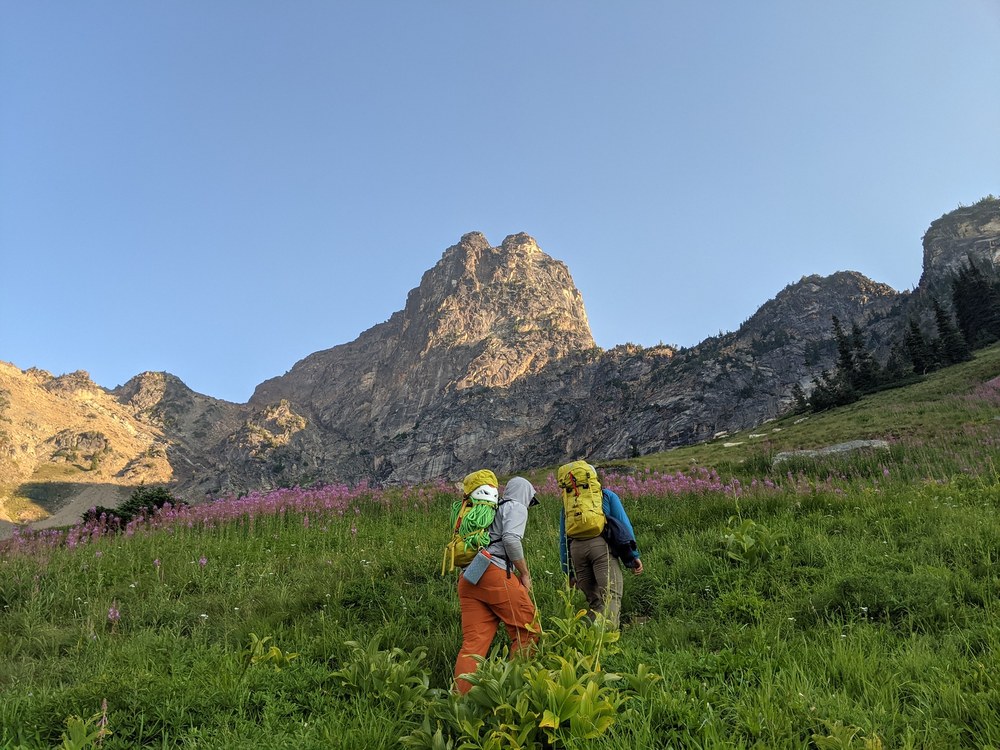
From scrambling craggy summits to meandering through alpine meadows, paddling glacier-fed lakes, and snowshoeing in quiet winter forests, the North Cascades offer some of the most spectacular outdoor recreation opportunities in Washington. For members of The Mountaineers, this landscape is central to how we explore, learn, and build community in the outdoors. But access to these experiences relies on safe and well-maintained infrastructure, like sturdy bridges, durable trails, functional parking areas, and smooth roads.
Created through the Great American Outdoors Act, the Legacy Restoration Fund (LRF) provided a five-year investment to help federal land managers address the massive backlog of deferred maintenance on federal public lands, like washed out bridges, eroding trails, damaged roads, and failing plumbing. Across Washington, the LRF supported dozens of projects that have improved safety, restored infrastructure, and helped keep beloved outdoor places accessible.
The program expired in October 2025, but its impact is still visible across the landscape. The Mountaineers is working with partners and lawmakers to build momentum for legislation that would reauthorize the program, so that land managers can continue tackling overdue repairs. These five projects in the North Cascades show just how much this investment matters.
1) NORTH CASCADES SCENIC CORRIDOR TRAILHEAD REPAVING
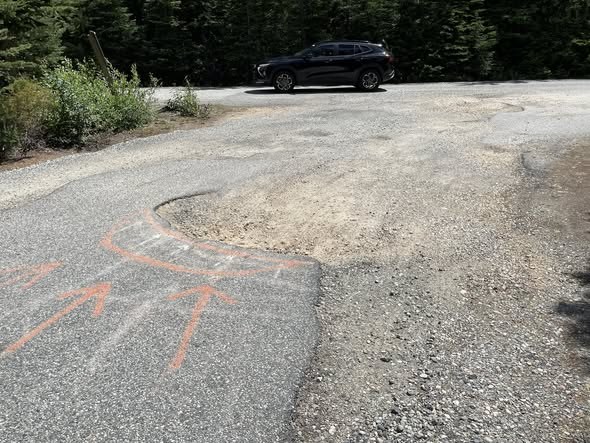
If you visited the Rainy Pass Trailhead or the Washington Pass Overlook during the infamous Larch Madness last fall, you may have noticed a surprising lack of potholes. In the popular State Route 20 scenic corridor, poor road and parking conditions pose an obstacle to efficient circulation of traffic and a safety hazard to low-clearance vehicles.
Last August, Legacy Restoration Fund dollars supported the filling and repaving of potholes and other road damage at the Washington Pass Overlook Trailhead, Rainy Pass Picnic Area and Trailhead, and Bridge Creek Trailhead. Repaving is planned for the Cutthroat Creek Trailhead this upcoming summer. Also this summer, leftover LRF funds will cover the chip-sealing and re-striping of parking lines at multiple trailheads in the North Cascades corridor.
These trailheads are among the most visited in the North Cascades and see extremely high use, particularly during larch season in the fall. They also serve as starting points for many favorite Mountaineers trips: day hiking to Cutthroat Lake, backpacking from Rainy Pass to Harts Pass along the Pacific Crest Trail (PCT), or climbing Hinkhouse Peak or Black Peak. Pavement improvements will help alleviate congestion and improve safety at trailheads accessing these scenic areas.
2) BAGLEY LAKES DAM DECOMISSIONING AND BRIDGE CONSTRUCTION
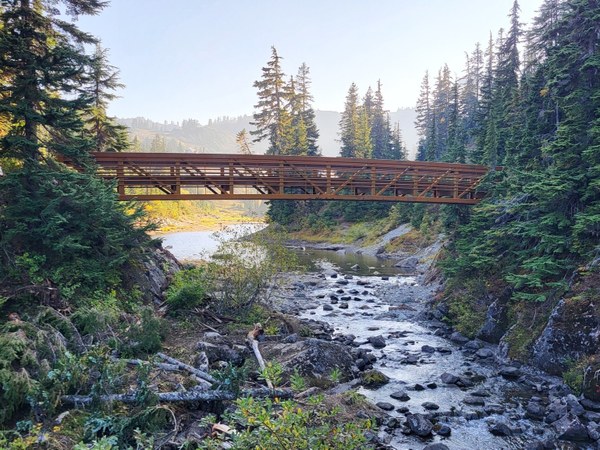
Had you visited the Bagley Lakes Loop Trail prior to September 2025, you would have crossed the outlet of the lower lake via a narrow walkway perched atop a crumbling concrete dam. Now a sturdy bridge spans the outlet, allowing visitors to safely cross above while the creek tumbles freely below.
The LRF facilitated the dam removal and bridge construction, improving natural conditions in the lake and creek and making the loop safer and more scenic. The project also included maintenance on several nearby trails and trailheads in the surrounding Heather Meadows area - a favorite destination of Mountaineers programs. In the winter, Heather Meadows hosts snowshoeing and backcountry skiing trips. During the summer months, it’s a launching point for everything from short day hikes to multi-night backpacking trips.
3) RAINY PASS AREA PACIFIC CREST TRAIL IMPROVEMENTS
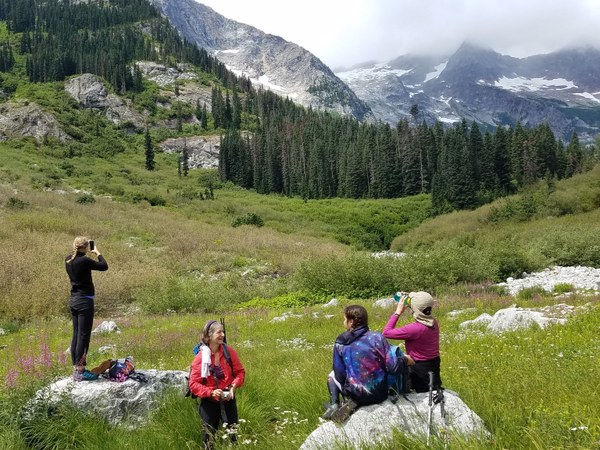
One of Washington’s most beloved segments of the PCT, the Rainy Pass PCT section, sees thousands of hikers each year. The Methow Valley Ranger District recently teamed up with members of the Washington Conservation Corps (WCC) to complete deferred maintenance work along this popular section of trail.
With funding from the Legacy Restoration Fund, the ranger district contracted with the WCC to complete this work. This mutually beneficial partnership expanded the district’s capacity, providing opportunities for youth and veteran crews to develop stewardship and leadership skills, and improving conditions on this section of the PCT.
Trail crews cleared fallen logs, removed brush, and completed tread and drainage work along the trail. These improvements will help minimize erosion and create a better hiking experience for all trail visitors, whether setting out for a short ramble or nearing the end of an epic thru-hike.
4) EAST CREEK TRAIL BRIDGE REPLACEMENT
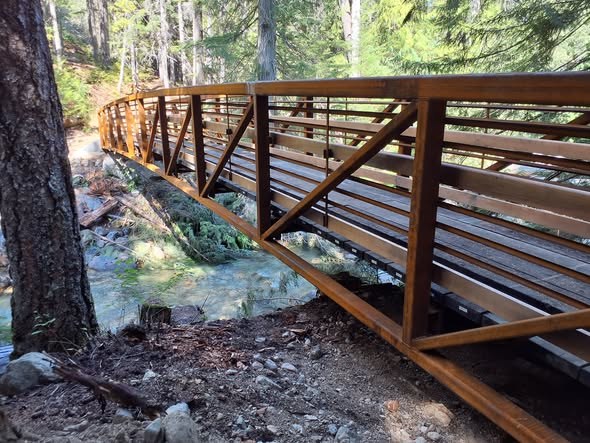
In August of 2025, construction was completed on a shiny, new bridge crossing Granite Creek, reopening the East Creek Trail for the first time in over a decade. Access to the trail, which heads deep into the North Cascades backcountry, had been severely limited since the original bridge washed out in 2012.
Funded through the LRF, this project replaced a long-running series of makeshift temporary log crossings with a sturdy, 92-foot-long bridge. Longer and higher than the previous bridge and a vast improvement over the jerry-rigged crossings, the new bridge will alleviate hazardous crossing conditions and improve negative habitat impacts. The newly accessible trail winds its way to Mebee Pass, connecting with several other trails along the way, and descends to reach the Pacific Crest Trail along the West Fork of the Methow River. Now that the new bridge has been constructed, the Methow Valley Ranger District and Methow Valley Trails Collaborative plan to work together to restore the reopened trail.
5) METHOW VALLEY RANGER DISTRICT DEFERRED TRAIL MAINTENANCE
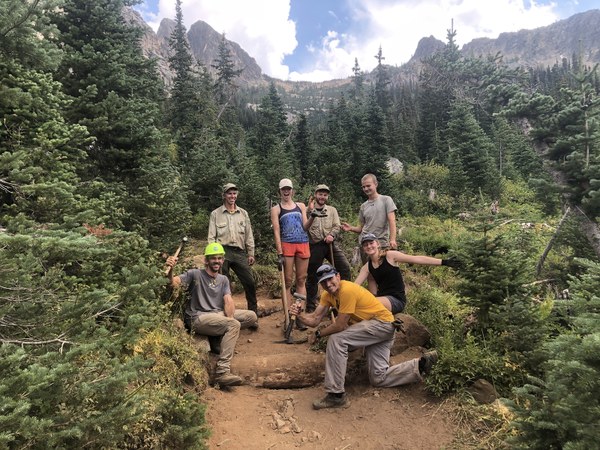
The Methow Valley Ranger District, in collaboration with Methow Valley Trails Collaborative staff and volunteers, spent the summer of 2025 accomplishing deferred trail maintenance on some of the highest-used trails in the area. Mountaineers members also contributed to this effort, with Mountaineers Adventure Club students joining trail work this past summer.
Supported by the LRF, project partners cleared logs and brush from the local favorite Driveway Butte Trail, stabilized switchbacks on the Heather Maple Pass Loop Trail, and replaced failed bridges on the multi-use Cutthroat Pass Trail. Future work planned by project partners includes restoring deteriorated ADA trails, replacing rotting boardwalks on the popular Blue Lake Trail that accesses climbing areas like Liberty Bell and South Early Winters Spire, and maintaining other trails in the area.
Together, these efforts will ensure that the North Cascades stay safe, scenic, and accessible for generations of outdoor adventurers to come.
We look forward to sharing future opportunities to support our advocacy to reauthorize the Legacy Restoration Fund later this year.
