 Yi-Ning Mei
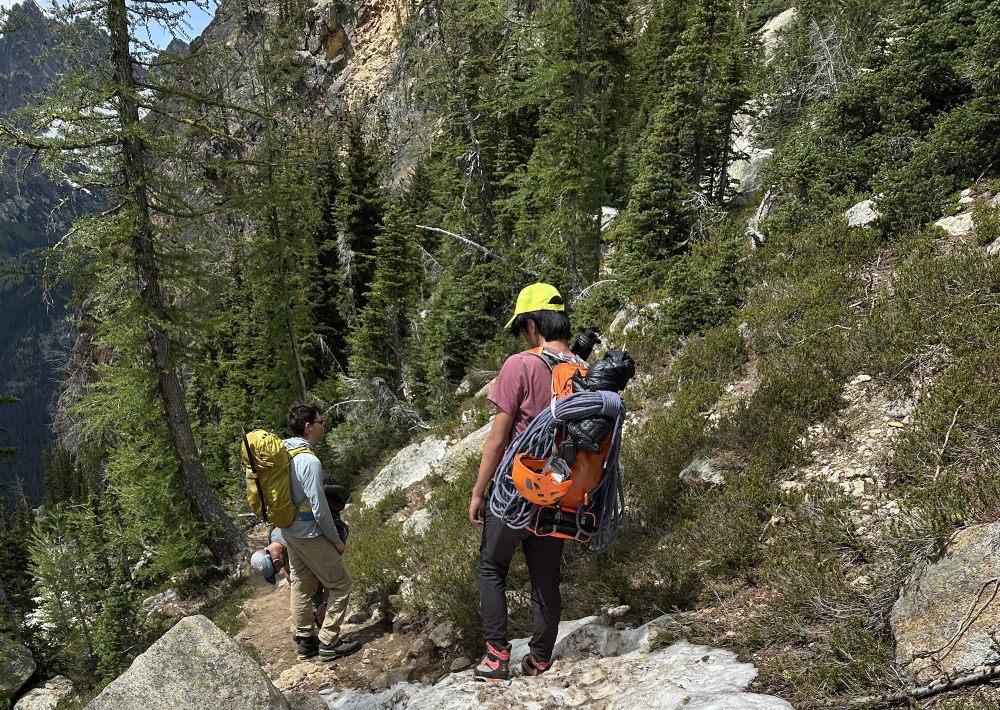
I’m a high school sophomore that enjoys recreating outdoors by hiking, skiing, and rock climbing - activities that have connected me to Washington’s public lands through organized trips with the Seattle Mountaineers Adventure Club (MAC).
In MAC, my fellow teen outdoor enthusiasts and I learn technical skills that prepare us to be lifelong lovers of the outdoors. In addition, we participate in activities that develop our skills as outdoor leaders: planning trips, preparing food, developing decision-making skills, taking on first aid responsibilities, and learning how to be an advocate for nature.
Conservation and advocacy work is essential to protecting the natural world. While most MAC students deeply care about the health of the outdoors, most of us didn’t understand why advocacy was important, or how to do it.
A Lesson in Roadless Advocacy
Last month, MAC held a meeting where Conor Marshall and Livvie Bright from The Mountaineers Conservation & Advocacy team taught us about advocacy and the ongoing fight to protect our Roadless national forests here in Washington and across the country.
They talked about the administration’s effort to remove protections for Roadless Areas and what that would mean for backcountry recreation. The most memorable part of the lesson was when they showed us a map of Roadless Areas and zoomed in on Washington state. I was shocked to learn the amount of land that was at risk, including beautiful natural areas like Washington Pass and Icicle Ridge. This exercise helped me visualize the areas under threat and connect this policy development to my own experience as a recreationist.
Roadless Areas are specially designated national forest lands that have remained largely undeveloped. Under the 2001 Roadless Rule, about 58 million acres of national forest are protected from road construction and timber harvesting. Roadless Areas protect the solitude that makes these undeveloped lands magical to experience. Washington’s Roadless Areas - mostly located in the Cascades and Olympics - include iconic places like Washington Pass, Icicle Ridge, and areas around the state’s major volcanoes.
These places are incredibly valuable to climbers, mountaineers, skiers, hikers, and MAC students. One of my best climbing memories was visiting the Liberty Bell area of Washington Pass last year. On the summit, the sharp peaks of the North Cascades enveloped me on all sides, and I felt humbled by my insignificance compared to the grandeur of these mountains.
During our recent lesson, Conor and Livvie underscored the importance of youth advocacy, how my MAC cohort and I are a part of the next generation of recreationists that will feel the impact of environmental issues, and that we can make an impact now. Youth voices are especially important because our engagement shows lawmakers that students have strong opinions on these issues. Making our voices heard can also help influence others to care more about outdoor spaces - and is one of the best ways anyone can protect our public lands and waters.
Giving Back and Speaking Up
There are many different ways to care for the outdoors. One way Seattle MAC supports conservation is by participating in volunteer trail work. Last year, I helped build stairs and repair steps at a park with other students. It felt amazing to hear the gratitude of the people that used the park. Even if you can’t dedicate a full day to trail work or another stewardship activity, no action is too small. Even limiting food waste or turning off the lights at home has an impact.
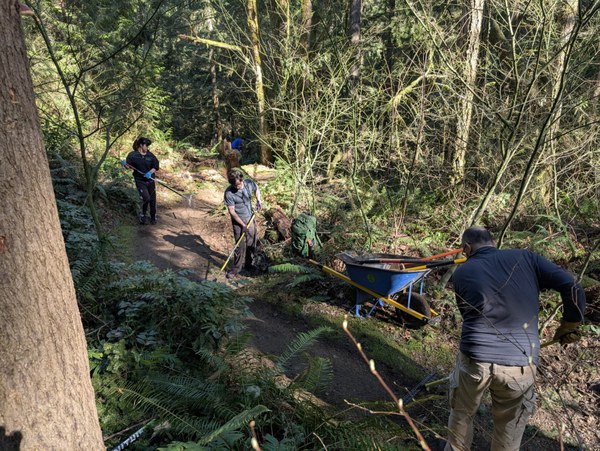
MAC Trail work party at Duthie Hill Mountain Bike Park in Issaquah.
Another way you can care for the outdoors from home is by contacting your elected officials. Outdoor recreationists are one of the primary users of Roadless Areas, and by emailing or calling your representatives, you can directly voice your support for their protection. Many MAC students didn’t even know their representatives, so the first step toward advocacy is finding out who your representatives are.
In the past, I have emailed my elected officials about the protection of public lands and many other environmental issues. I appreciated the opportunity to hone this skill during our recent conservation lesson by personalizing an advocacy letter to Senator Cantwell that thanked her for her work to protect our Roadless forests. Consider sending your own letter using this action form.
We as outdoor recreationists have a love for the outdoors, so we need to make sure all of our voices are heard. I encourage you to pledge to take action for Roadless protections and submit a letter to the Forest Service during the upcoming public comment period. The Mountaineers Conservation & Advocacy team will share more when it’s time to take action.
The Mountaineers conservation education efforts, including the youth lesson that YI-Ning participated in, are made possible by generous donations from our community. Consider supporting this important work with a gift to our Conservation and Advocacy Fund.
