 The Mountaineers
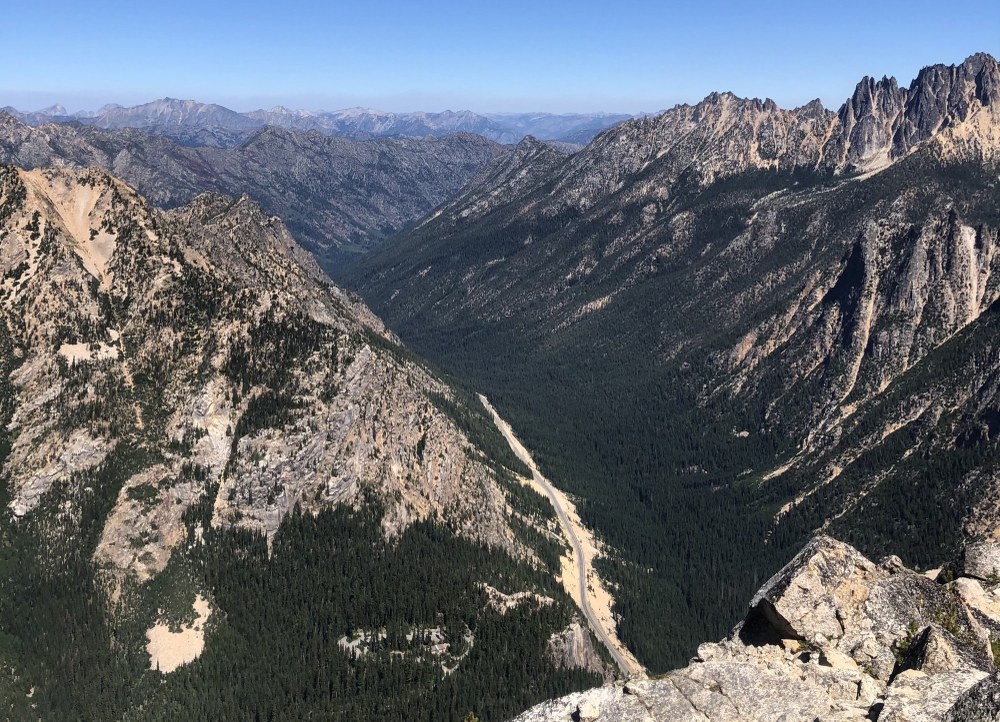
One of the ways The Mountaineers advocates to protect backcountry recreation on our national forests is by defending important conservation safeguards like the Roadless Rule. Inventoried Roadless Areas protect one third of the national forest system (59 million acres, including two million acres in Washington state) from logging and development. Roadless Areas support recreational opportunities across Washington’s six national forests. For example, the Mount Baker, Lake Quinault, and Washington Pass areas offer popular opportunities to recreate in backcountry forest areas protected as Roadless.
We were disappointed to see the administration announce their intent to rescind the Roadless Rule and release wide swaths of protected national forest lands to road building and timber extraction. This move aligns with other administrative actions this year that represent a significant increase in extractive uses of federal public lands. While we don’t know exactly what the rollback effort will look like, we anticipate the process to stretch over multiple years and include formal opportunities for the public to weigh in on the rulemaking.
Protecting Backcountry Recreation and Old Growth Forests
Since 2001, the Roadless Rule has protected vulnerable old-growth forests, natural and cultural resources, fish and wildlife habitat, and backcountry recreation opportunities. The Roadless Rule is extremely important to the outdoor recreation community, as Roadless Areas support 11,337 climbing routes and boulder problems, more than 1,000 whitewater paddling runs, 43,826 miles of trail, and 20,298 mountain biking trails across the country. Learn more with this map of Roadless Areas from our friends at Outdoor Alliance.
The Roadless Rule is broadly supported and was developed with extensive public input. More than 95% of public comments submitted on the 2001 rule supported Roadless protections. In order to adapt to a changing climate and the need for shifting management approaches, the Rule allows for road construction associated with efforts to address fires, floods, or other natural disasters, while leveraging intact old-growth forests as nature-based climate solutions.
Despite its broad support, the Roadless Rule has endured two significant repeal efforts. Roadless protections were most recently targeted during the first Trump administration as part of an effort to rescind protections for Southeast Alaska’s Tongass National Forest. In response, our community’s voice helped restore Roadless protections for the Tongass, and we stand ready to advocate for important backcountry forest recreation areas once again.
Your strong connection to Washington's national forests and the backcountry recreation experiences they provide translate to compelling advocacy for Roadless protections, so it’s important that we continue to speak up and oppose the administration’s attempt to rescind the Roadless Rule. We’re hearing that an agency planning process to roll back the Rule could begin as early as this fall. We’ll keep our community informed of opportunities to share your support for backcountry recreation and Roadless Area protections as the situation develops.
Permanent Protection for Roadless Areas
While the Roadless Rule does not permanently protect backcountry forest areas, it ensures the near-term protection of these spectacular landscapes and sets the stage for more permanent protection by Congress. Without permanent protection, we risk administrative policy changes (like the current effort) that could threaten our old-growth forests and the many benefits they provide.
There is a pathway to achieve permanent, legislative protection for our national forest Roadless Areas. The Roadless Area Conservation Act - a bill championed by Senator Maria Cantwell (D-WA) - has been reintroduced in the 119th Congress and has gained the support of several members of Washington’s congressional delegation.
While we prepare for future public comment opportunities associated with the administration’s Roadless Rule rollback, you can help build support for permanent protections for Roadless Areas. Use our action tool to share your support for backcountry recreation and Roadless protections with your lawmakers, thank representatives for supporting the bill, or request that they cosponsor the legislation. To make your message even more effective, consider weaving in a Mountaineers trip or personal experience made possible by Washington’s backcountry forest areas to your letter.
