 Joshua Stein
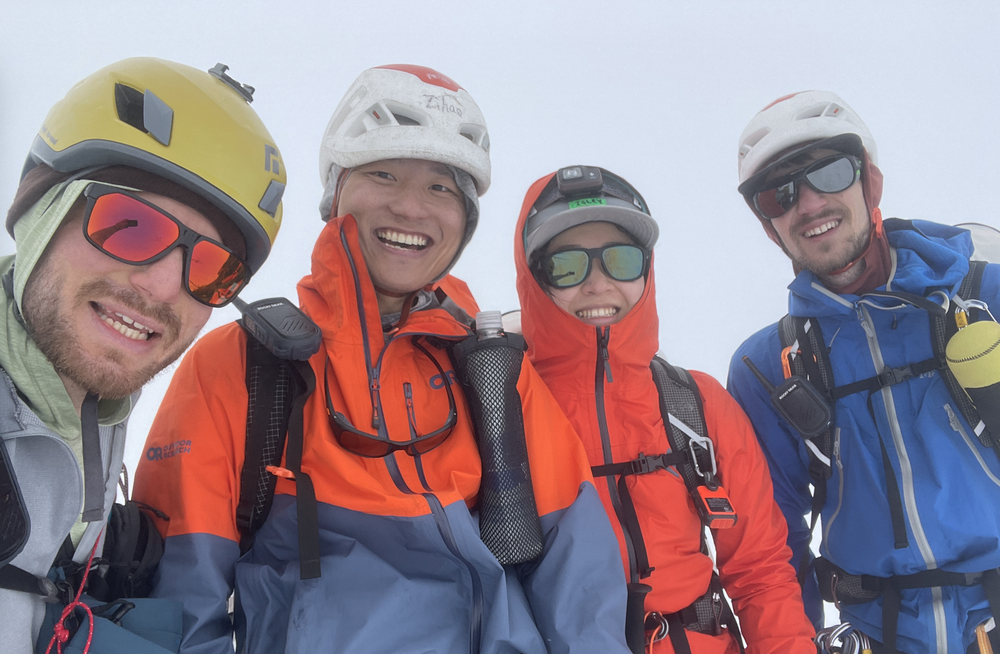
Finding comfort in the outdoors can be tricky. Not every activity is amenable to going solo and, even so, there are many reasons someone may not want to go alone. This is why finding a group where you feel belonging is important.
Shared age or life stage can be one aspect where people find belonging. Throughout our early lives, we’re mostly around those our own age (take The Mountaineers Youth Programs, for example). But as life progresses, sometimes it can be challenging to find groups centered around folks of the same age and life experience. Additionally, it can be difficult to find community in general, especially if you live in a city known for “the Seattle Freeze” (whether you believe in it or not).
Providing a space for those at similar life stages
I joined The Mountaineers not long after I moved to Seattle in 2014 in the hopes of finding people of a similar age who shared the same interests. While other online platforms and meetup groups offer reliable ways for active people to connect, I felt that they didn’t uphold a high enough level of safety standards or behavioral expectations, whereas The Mountaineers provides clear activity standards while still being able to achieve the goal of getting people outside.
My initial experience with The Mountaineers was through the Introduction to Hiking course (which is now defunct). Although I was an experienced hiker at the time, I wanted to find an outdoorsy group where I could feel belonging.
Inspired by my own experience searching for and finding belonging, I started leading hikes with The Mountaineers. Leading activities has been a joy because I’ve been able to connect with all sorts of people, get them outside, and take some people to places they haven’t been. As I’ve led hikes, I’ve continued to experiment with the day of week, time of day, and the audience fields. Of these, the audience field has been of particular interest to me as a way to help cultivate a sense of belonging and community among recreationists.
I began leading trips geared toward (but not excluded to) 20-30 somethings and saw firsthand the demand for these types of offerings. These trips filled up without issue, with many participants being new or prospective members. Trip feedback has been positive as participants appreciate the opportunity to join a group of others in a similar life stage. A common theme that has been brought up is a desire to make friends. When participants tell me about “The joy and fun [...] we have sharing similar interests as a group [...]”, I feel that we’re on the right track towards achieving that goal.
Supplemental, Not a Substitute
Age-focused activities are not intended to be a replacement for open-to-all activities. The Mountaineers offers a variety of activities, and limiting yourself to only activities targeting a specific audience does yourself a disservice. To get the most of your Mountaineers experience, there are many reasons to take advantage of general audience activities in addition to age-focused audiences, including:
- More opportunities to participate. Age-focused activities will have fewer activities available due to fewer leaders targeting a specific audience. It’s more likely that an activity open to everyone will be a better fit for your schedule or other criteria you might have.
- Broader viewpoints and new friendships. There are a lot of meaningful discussions and connections to be had across the age ranges.
It’s important to note that age-focused activities are not an indicator of the difficulty of the activity or the fitness level of the participants (my parents have been able to easily out hike me throughout my life). Personally, I prefer leading easy or moderate hikes, as I find these to be the most enjoyable.
More Ways to Connect Outdoors
While it’s important to try a mix of trips, there's value in spending time with others who are in a similar stage of life. Activities geared toward a specific age group can create a unique sense of comfort and connection. When you’re surrounded by others who are in a similar stage of life, the outing can feel more approachable, especially for newer members or those joining solo. It’s often easier to strike up conversations, share laughs, and build friendships when you feel like you’re among peers of a similar age. Whether it’s your first hike or your fiftieth, finding connection with others who make you feel understood can make the outdoors even more rewarding and safer, and can help turn a one-time trip into a lasting community.
For Participants: How to find age-focused activities
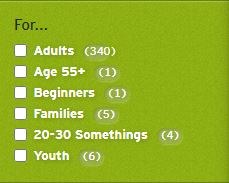
To find activities specific to an age group, or other audience groups, search for an activity on our website. Then use the filter feature on the left-hand side of the page to narrow your audience results under the “For…” section.
For Leaders: How to write inclusive, age-focused trip listings
When creating trips geared toward a specific age range, it's important to be thoughtful in how you describe them. The goal is to create a welcoming space for people at a similar life stage, not to exclude others based on age, fitness, or ability. Doing so would violate The Mountaineers non-discrimination policy. Here are some tips for writing inclusive trip listings:
- Frame the trip as an invitation, not a restriction. Instead of saying “For ages 20–30 only,” consider language like: “This trip is geared toward people in their 20s and 30s who are looking to connect with others in a similar stage of life.” This clarifies the intended audience without making it a requirement.
- Avoid assumptions about fitness. Age does not equal ability. Be clear about the pace, terrain, and physical expectations for the trip, just like you would for any other listing, and avoid phrases like “for energetic young people” or “not for older hikers.”
- State your goals for the group dynamic. If your intent is to foster social connection, it’s okay to say so (with language like “This trip is meant to be a casual, social outing for younger adults who may be new to The Mountaineers”), just be sure your intent is framed as a tone or theme, not a barrier to participation.
- Leave space for others to self-select. Members who don’t match the age focus but still resonate with the trip’s tone or goals may reach out to join, and that’s okay. Be prepared to welcome or gently redirect based on your intent and comfort level as a leader. When in doubt, reach out to staff at info@mountaineers.org.
- Be consistent with Mountaineers standards. All trips, including audience-focused ones, must follow The Mountaineers safety, behavior, and inclusion policies and standards. If you’re unsure, reach out to staff or check out these AI Volunteer Support Tools to ask specific policy and standards questions.
The aim of age-focused trips is to create space, not enforce limits. When done well, age-focused trips offer a meaningful entry point for newer members, and contribute to a more welcoming and connected outdoor community overall.
For additional guidance, check out our Equity & Inclusion Leader Toolkit, which includes practical tips and examples for creating inclusive, intentional experiences.
We also recommend the Emotional Safety in the Outdoors eLearning course, which explores how leaders can foster psychological safety during trips.
