 The Mountaineers
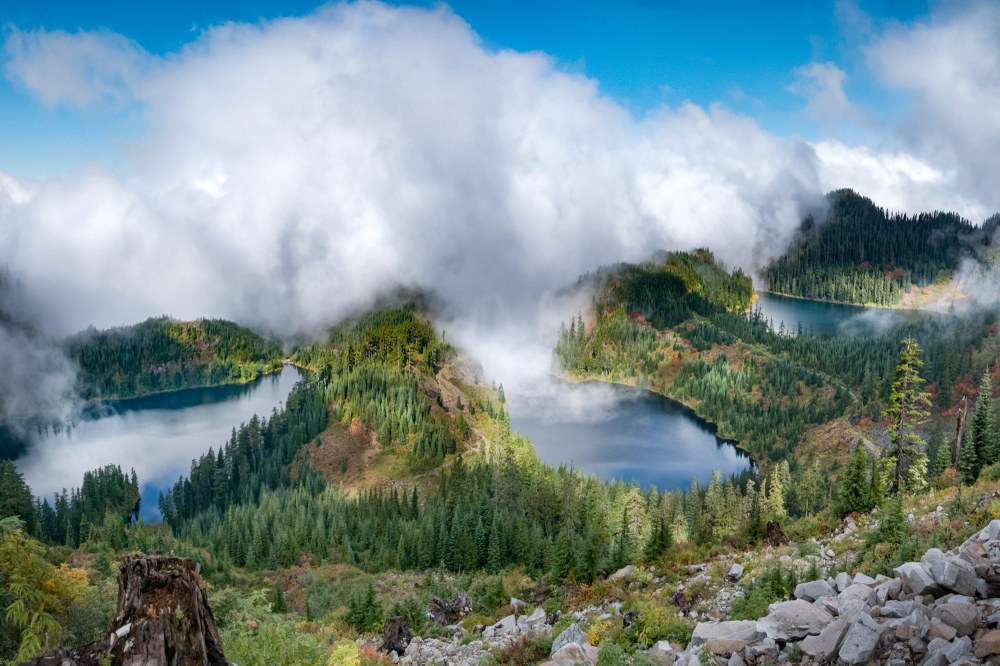
Washington’s approximately 6.5 million acres of state parks and public lands are home to places where we hike, climb, ski, scramble, paddle, and connect to the natural world. Since early January, The Mountaineers and our partners have advocated to minimize cuts to our state lands this year. More than 700 members of our community sent nearly 2,200 messages to legislators highlighting their support for these recreation lands and the sustainable outdoor access opportunities they provide.
The 2026 state legislative session came to a close last week with legislators passing final state budgets. In the face of ongoing fiscal challenges, the legislature’s final supplemental operating budget makes additional funding cuts across state government, including for the three agencies that manage and maintain state public lands: Washington State Parks (State Parks), the Department of Natural Resources (DNR), and the Department of Fish and Wildlife (DFW).
These agencies face growing maintenance backlogs and are increasingly asked to do more with less when it comes to maintaining and improving the roads, trails, and facilities that support our visits to state lands. While these budget cuts were not unexpected, land managers like DNR have likely reached a breaking point in their ability to sustain these cuts without reducing some staff and instituting new recreation closures at developed recreation sites on state lands.
Thank you for taking action to raise the importance of public lands funding with your lawmakers. Despite a challenging outcome, your grassroots advocacy positions us to make the case to restore critical funding next year. Read on to learn where our top advocacy priorities landed and how funding cuts will likely impact state lands moving forward.
Unpacking the 2026 State Budget for Public Lands
Since January, we’ve met with lawmakers, written advocacy letters, and engaged with land managers and recreation partners to rally support for important initiatives to fund public lands. Here’s how the final state budget impacts our priorities:
Recreation Lands Maintenance Funding
One of our top advocacy priorities this session was to defend the Recreation Lands Maintenance funding for State Parks, DNR, and DFW. This funding has helped repair trails and parking lots, fix shelters and roofs on visitor facilities, and improve campground facilities. Unfortunately, legislators made further cuts to this funding for 2026 and are carrying forward a 40% ongoing reduction to Recreation Lands Maintenance funding for all three agencies. Due to these and other cuts to land manager funding, we expect some staffing reductions and recreation closures at DNR areas and other state lands in the coming months. We’ll share more details when they’re available.
Funding for State Agencies and Tribes to Study and Address Recreation Impacts
We’ve continued to advocate for funding for state land management agencies and Tribes to study impacts and better manage recreation on state lands, and protect natural and cultural resources through the State-Tribal Recreation Impacts Initiative (STRII). Unfortunately, STRII funding included in the Senate’s proposed operating budget was left out of the legislature’s final version. A lack of funding for capacity grants to support Tribal participation and funding to continue third party facilitation of the STRII process will likely impact the Initiative’s near-term progress and could stall momentum gained over the last few years.
A Few Bright Spots for Public Lands
Fairfax Bridge Funding. The 2026 state transportation budget includes $2.5 million over the next three years to mitigate impacts from lost access to the Carbon River area of Mount Rainier National Park via the Fairfax Bridge. The legislature also funded $12 million toward preliminary engineering and environmental review of a replacement bridge. The Mountaineers is engaging with partners on a campaign to support restored recreation access and connectivity for local communities.
Wildfire Resilience Funding. Legislators included $60 million in operating budget funding for wildfire prevention and response efforts by the Department of Natural Resources.
What’s Next
The end of the legislative session doesn’t signal a halt to our state public lands advocacy. Over the next several months, we will engage with land managers to better understand the impacts of these funding cuts on state lands and the recreation experiences they sustain.
In addition to preparing for future funding advocacy with our partners in the 2027 legislative session, we’ll engage in forward-thinking conversations about how to envision new funding mechanisms that steward Washington state lands and weather uncertain budget headwinds.
Add a comment
Log in to add comments.
Thanks for the report but I feel we’ve been duped. Discover pass cost is up 50% to $45. It looks like this money didn’t and won’t go towards an expansion or improvement of state parks or even a maintenance of current state parks. In fact some will be closing, there will be layoffs of personnel and a 40% decrease in funding. In other words the current state legislature is taking our interest in the outdoors and applying it to other state government programs. They are not interested in recreational lands. Please correct me if I am off track.
Thanks for your comment. The increase in the Discover Pass fee was largely intended to adjust for inflation. Additional Discover Pass revenue collected from the fee increase is providing important support to state land management agencies at a time when they continue to sustain additional budget cuts. Additional funding sources are needed for state land managers to help them address ongoing maintenance and operations in addition to their maintenance backlog. In addition to supporting efforts to envision new mechanisms for funding stewardship of Washington state lands, we’re also seeing how we can help develop more legislative champions for the outdoors. There are some champions for outdoor recreation in the legislature, but so many other budget priorities and a challenging fiscal environment underscore the need to cultivate more legislators who prioritize funding the outdoors.
