 The Mountaineers
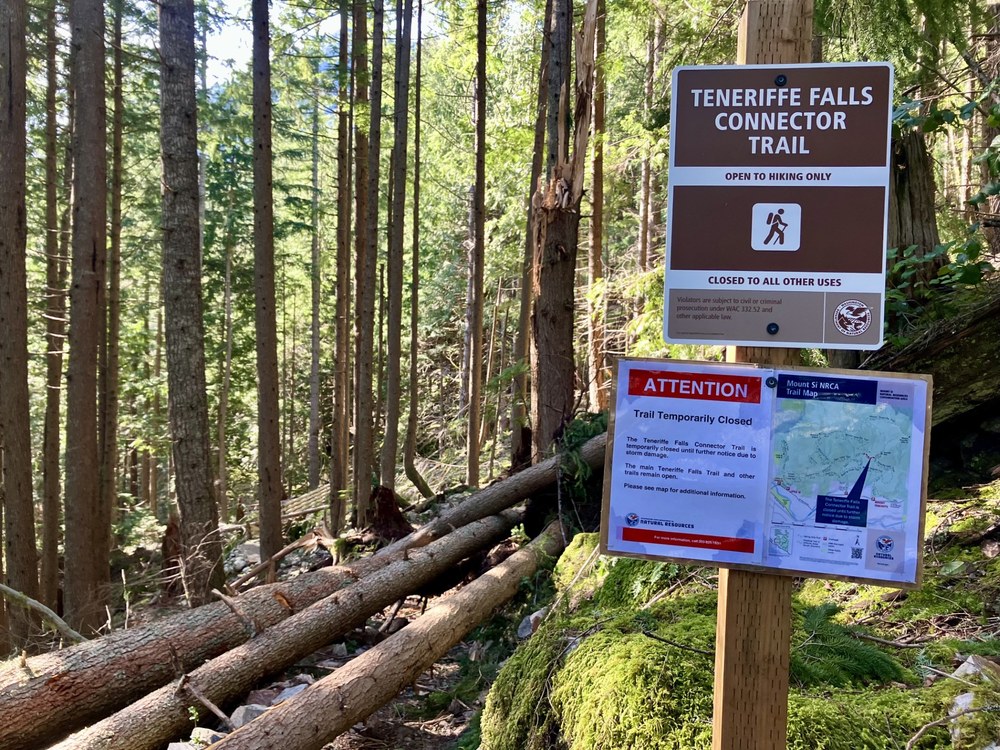
Spring is in the air. Soon we’ll be paddling fresh mountain runoff, spending sun-warmed afternoons at the crag, and venturing into our favorite wildflower-clad alpine basins. As you pack away your skis and snowshoes and dust off your summer gear, you may be wondering what the season ahead will look like. Which trails remain closed after last summer's fires and did winter storms damage the road to your favorite trailhead?
Across Washington, several factors are shaping what outdoor access will look like this spring and summer. Recent wildfires, winter storms, and land management changes are affecting recreation infrastructure and the visitor experience across the state. We highlight some of the impacts our community may encounter this season to help you plan your next adventure.
WHAT TO EXPECT ON PUBLIC LANDS THIS SPRING & SUMMER
WILDFIRE IMPACTS
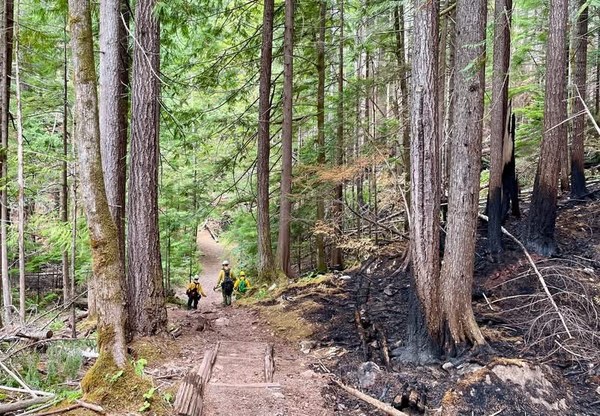
Several major wildfires burned their way across Washington’s landscapes last summer, leaving behind charred trees, unstable slopes, and bare basins prone to flash flooding. These hazards have affected local communities and forced land managers to close roads and trails to protect recreationists and prevent further environmental damage. Following the Labor Mountain Fire, a large swath of the eastern Teanaway area will be closed this season, including many favorite Mountaineers hikes and scrambles like Bean and Earl Peaks, Beverly Creek Basin, and Navaho Pass and Peak. On the Olympic Peninsula, where the Bear Gulch Fire burned last summer, closures remain on the northwest side of Lake Cushman, rendering the McCleary Cliffs crag and the Mount Rose trailhead inaccessible. Check the Forest Service’s website for anticipated reopening dates and specific details of closure areas.
We’re still acutely feeling the impacts of last season’s fires and also bracing for what will likely be another hot, dry, and smoky summer. While we can’t predict exactly what the fire season will look like, this winter’s low snow pack is likely to lead to drought conditions which can exacerbate wildfires. When fires pop up, nearby recreation sites may be closed for public safety and to allow wildland fire crews space to work. Consider using an app like Watch Duty to get real-time closure and evacuation alerts. Even if fire closures don’t directly impact your destination, keep an eye on air quality - wildfire smoke may still affect your trip, resulting in unpleasant or even hazardous conditions. Learn more wildfire-smart recreation tips in our blog.
STORM IMPACTS
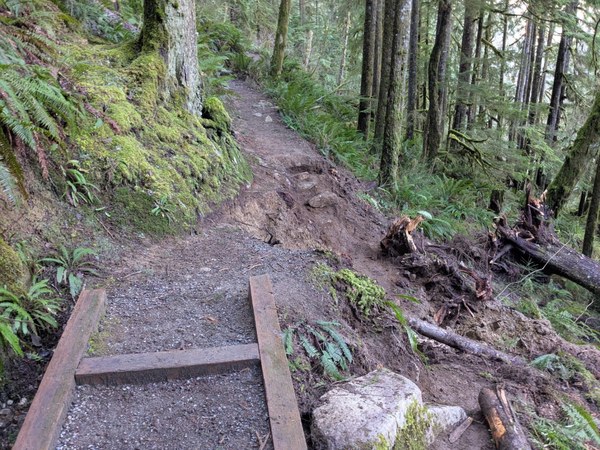
Washington’s public lands and communities have had a challenging winter, facing what feels like storm after storm. Torrential rains triggered flooding and landslides and high winds toppled trees across the state. Some damages were catastrophic, completely blocking access to multiple recreation areas. In December of last year, a major landslide carved a 70-foot-deep ravine across the Suiattle River Road, severing access to much of the Glacier Peak Wilderness.
In late March, a recent rockslide dropped semi-truck sized boulders on State Route 20 near Diablo Lake, necessitating what the Washington State Department of Transportation expects to be a “lengthy” closure. Other damages were more minor, but frustrating nonetheless - like a recent Washington Trails Association (WTA) trip report that noted a mudslide, a washed-out creek crossing, and over 20 blow-downs on the Lake Serene trail.
The scope of this winter’s storm damage is too vast to list every affected road, trail, and trailhead. What we know now is that recreationists should expect more downed trees than usual, washed out trail bridges at stream crossings, and increased erosion on trails and access roads. Before heading out this spring, check land managers’ websites for official closures and browse The Mountaineers and WTA trip reports to see what fellow recreators are experiencing on the ground.
LAND MANAGEMENT CHANGES
Visitors to Mount Rainier National Park may notice a few changes this season. In a departure from the last two years, the Park announced last month that it will not implement a timed-entry reservation system this summer. While this will simplify trip planning, it will likely also lead to long entry lines, full parking lots, and busy trails. To avoid the crowds, consider visiting the park outside of peak hours, like on a weekday or in the early morning or late afternoon. Additionally, the permanent closure of the Fairfax Bridge last spring continues to block recreators from visiting the Carbon River and Mowich Lake areas of the park while WSDOT works to replace the bridge.
Beyond happenings at Mount Rainier National Park, both state and federal land management agencies are experiencing significant capacity challenges that will affect their ability to care for recreation sites. At the state level, recent budget pressures have led to reductions in funding for outdoor recreation and public lands management, hampering state agencies’ capability to perform repairs and general maintenance on trails, parking lots, campgrounds, and visitor facilities. Across Washington’s national forests and national parks, years of deferred maintenance have left a growing backlog of trail and road repairs, and workforce reductions over the last year and a half have strained the Forest Service’s and Park Service’s ability to keep up with day-to-day operations.
But there is some good news: Federal agencies are beginning to rebuild capacity by hiring seasonal crews this summer. For the Forest Service, this will be the first time in two years that they have been able to hire seasonal staff. Their return is welcome news - even if the work ahead remains daunting.
ADVOCATING FOR SUSTAINABLE OUTDOOR ACCESS
From wildfire impacts to storm damage to understaffing, these challenges are interconnected: Wildfires are growing more frequent and severe, seasonal flooding and landslides are becoming more destructive, and Washington’s public lands are welcoming more visitors than ever before. Each of these trends places greater demands on the agencies responsible for managing our trails, roads, and campgrounds, and yet funding and staffing have not kept pace. The result is a widening gap between what our public lands need, and what the people tasked with caring for them are equipped to provide.
The Mountaineers is actively working to change that by working with state and federal land managers and engaging with lawmakers to advocate for robust staffing and agency funding. Our advocacy is more effective when it is grounded in what our members are experiencing in the field. As you encounter closures, damaged infrastructure, or diminished services on your upcoming adventures, please share your experience by taking three minutes to fill out our newly revamped Recreation Impacts Survey.
The information you provide helps us understand the full scope of what’s happening on Washington’s public lands. Your impact stories help us make the case that these special places deserve sustained investment so that they can remain wild and accessible for the next generation of adventurers.
