 Christina Black
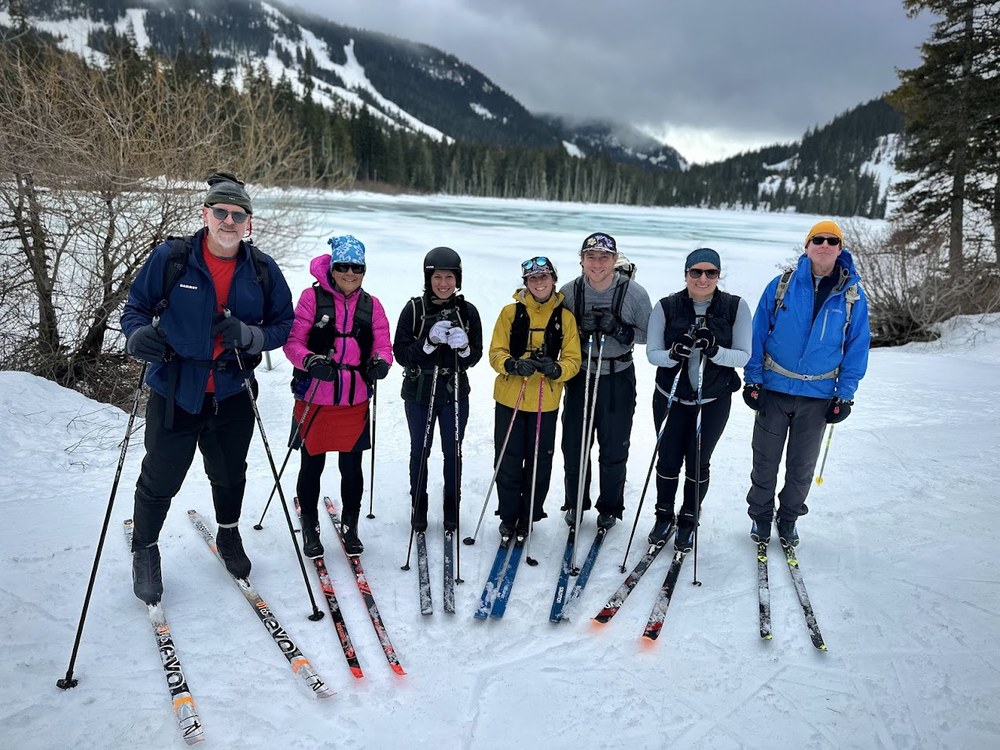
Each year, hundreds of students sign up with The Mountaineers for courses in winter conditions. These courses range from snowshoeing to cross-country skiing to backcountry skiing and winter mountaineering, to name a few. All of these activities are athletic pursuits that come with inherent risks. But going out in winter conditions also increases the risk.
In winter conditions, we deal with terrain and weather that require advanced skills, gear, and awareness due to:
- Snow and ice covering routes or trails, which can lead to slips or falls – the most commonly reported type of incident on Mountaineers trips
- Avalanche risk in or around areas where snow accumulates
- Short daylight hours and frequent storms that require strong navigation skills
- Hypothermia and frostbite risk due to cold and wet conditions
- The need for specialized equipment (e.g., ice axe, crampons, microspikes, snowshoes, and/or avalanche gear)
The following actions and best practices can help course leaders, instructors, and participants increase safety while teaching and learning in winter conditions.
Basics for Course Leads or Day-of Field Trip Leads
- Makeup days make us safer! Build in flexibility by scheduling makeup days as part of the course. This helps reduce the pressure created by perceived scarcity that may make us go out in less-than-ideal conditions and potentially put students and instructors at risk. If a makeup day isn’t needed, they can be:
- A bonus experience field trip
- A social ski day
- Or simply removed from the calendar
- Work with students who cannot complete a course due to unexpected circumstances. The winter cold and flu season may lead students to miss planned field trips, and injuries are common in winter sports like skiing. To help students make good choices, work with students who cannot complete a planned course due to illness or injury. Is it possible to offer them a guaranteed spot in the course next year? Or is there another course you could recommend that would help them progress their skills in the meantime?
- Talk to students ahead of field trips about conditions and self-limiting appropriately. Let students know about expected hazards like unusually icy or cold conditions so they can plan appropriately and bring the right gear. Also let them know that they have the option and responsibility to self-limit according to their skill level, conditioning, and comfort level.
- Modify the plan as needed to reflect the day’s conditions. If conditions are too challenging to safely complete all planned course activities on a given day, modify the curriculum. You might stick to easier terrain to accommodate icy conditions or avalanche risk. Or you can push your start time later to allow conditions to soften up. Some courses consider multiple locations and may pivot to a different location that has safer conditions.
- Don’t be afraid to make tough calls for group safety. You may have to be the bearer of bad news. For instance, you may need to cancel a planned field trip if conditions are too icy. Spend some time in advance figuring out what conditions you are willing to go out in. The standard may be lower for a student field trip than for your personal trips. Or you may need to require students to use certain gear. For example, on an AIARE trip where students may use either skis or snowshoes, you may have to request a student use snowshoes rather than skis if they have a recent injury or lack the required skills.
- Understand all available resources. While self-rescue is important, you may have additional resources to draw on in case of an emergency. Make sure you learn about these in advance and use them appropriately. For example, Meany Lodge is close to Crystal Springs Sno Park, so a cross-country ski trip at Crystal Springs could reach out to Meany Lodge for assistance if needed.
- Expect winter conditions, even outside of traditional winter dates. While the winter season traditionally goes from late December to late March, winter conditions can start well before that – such as after an early October snow storm – and go into May or even June.
For Instructors
- Manage your expectations of the group. Students may not be at the same skill level or pace as a more experienced participant or leader. They may be new to winter sports. Manage your expectations and trip plan accordingly.
- Bring extra gear. Students who are new to winter activities may underestimate the conditions. It may be helpful to bring extra gloves or handwarmers to share with students who need them. Radios can help communicate across a larger or spread out group. It may also be useful to have additional repair tools on hand (like duct tape) as students may not have their repair kit dialed in yet. And remember, the further you go from the frontcountry, the more emergency gear you need to bring, like sleeping bags, sturdier emergency shelters, and extra layers.
- Let students choose their own challenge. When possible, provide students with multiple options for moving through winter terrain. For instance, if you have students at different paces and enough instructors to split the group, you might divide a group into a slower group and a faster group and have the two groups meet up later. Or you might offer a “bonus” hill for students who want more elevation challenge and have others wait at the bottom or go around it.
- Model self-care. Some students may hesitate to address their needs in a group setting because they may not want to slow the group down or be the odd one out. You can give them the space to address their needs without calling them out on it by addressing your own needs. For instance, you might stop the group for a break and say that you need to eat a snack, giving other group members the chance to take a break. Or you might say you are tired and need to take off your skis to walk down a hill, giving other group members implicit permission to do the same.
- Check in with group members frequently. Ask group members how they are feeling at the beginning of the day, so you know if anyone may be unexpectedly off their game that day, and check in frequently to stay on top of group morale and fatigue.
For Participants
- Complete appropriate pre-trip work to ensure you are prepared. This may involve reading or watching course videos, checking the avalanche and weather forecast, reviewing the plan for the day, and/or making a packing list to ensure you do not forget anything. Winter trips often involve more gear!
- Don’t be afraid to ask for accommodations and share concerns with instructors. Speak up if you are uncomfortable – cold, hungry, tired, scared, or confused. Let your instructors know of prior injuries that may require accommodations. Also let them know if you have concerns that specific terrain may be too difficult for you or out of your comfort zone. There may be other options.
- Bring extra layers. Course activities may involve more talking, observing, or waiting for others than a regular trip. They also may involve downtime like snack or lunch breaks. Make sure you bring enough layers to stay warm throughout the day, including rain gear and glove changes in case they get wet.
- Practice, practice, practice. Can you fit in an extra trip between course sessions with friends or classmates to practice the skills you are learning? Are there additional Mountaineers trips you could join to gain more practice? For example, cross-country ski instructors may lead trips between field trips that are open to students. Doing extra practice can help reinforce learning between course sessions and give you experience with a wider variety of conditions.
In addition to these safety tips, there are multiple things that you can do to help create a more welcoming environment that will lead to better physical and emotional safety outcomes. Learn more by reading How To: Create Inclusive Experiences.
Have additional tips and tricks that we missed? Please add them in the comments below! Learnings like this often come from incidents or near misses, so please make sure to report any safety related issues when you see them. Thank you!
If you're interested in writing a safety blog, please reach out to safety@mountaineers.org with your proposed topic. Topics related to all activity types (hiking, kayaking, snowshoeing, canyoning, etc.) are strongly encouraged, along with stories and best practices related to emotional safety and group dynamic scenarios.
