 Conor Marshall
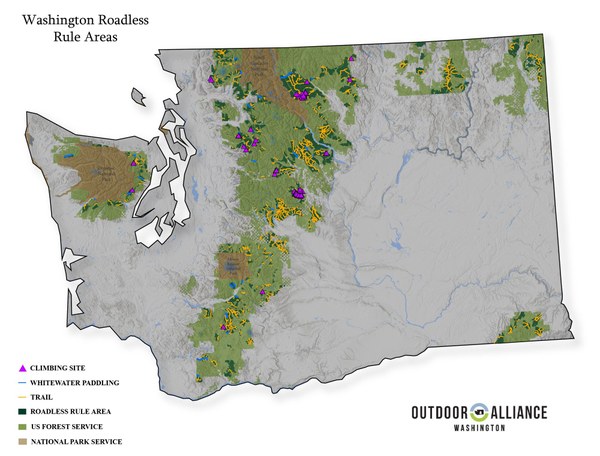
I like to think of Roadless Areas as the silent heroes of Washington’s public lands. They don’t garner the hype of Wilderness Areas, but they form the backdrop to many of our favorite backcountry experiences. From the ancient groves of the Olympic rainforest to the snowy slopes of the Cascades, you're never too far from a Roadless Area. Recreation opportunities provided by Roadless Areas in places like Quinault Ridge, Baker Lake, and Washington Pass are not permanently protected, and need more advocates.
As our backcountry forests face increasing threats such as wildfire and growing recreation impacts due to a dwindling land manager workforce, an effort to undermine Roadless protections has taken center stage in the ongoing fight to defend public lands. In late August, the administration launched an effort to rescind the Roadless Rule for 45 million acres of the National Forest System, which includes two million acres of land designated as Roadless Areas on Washington’s six national forests.
For nearly 25 years, the Rule has protected natural and cultural resources, wildlife habitat, and backcountry recreational opportunities from logging, road construction, and other development. As our community has done since its inception, we utilized our knowledge and connection to Washington’s forests to defend the places that teach us new skills, bring us joy, and support thriving ecosystems.
The Roadless Rule protects Mountaineers adventures
The term “Roadless” is a bit of a misnomer. Some Roadless Areas have roads and minimal development that support critical wildfire response, conservation, and other management purposes. Nonetheless, Roadless Areas provide high-quality recreational experiences similar to those found in designated Wilderness. Roadless Areas support more than 11,300 climbing routes and boulder problems, more than 1,000 whitewater paddling runs, and more than 20,200 mountain biking trails across the country. Of the country’s nearly 44,000 miles of Roadless Area hiking trails, 4,000 of those miles support hiking, climbing, backpacking, skiing, and snowshoeing trips in Washington.
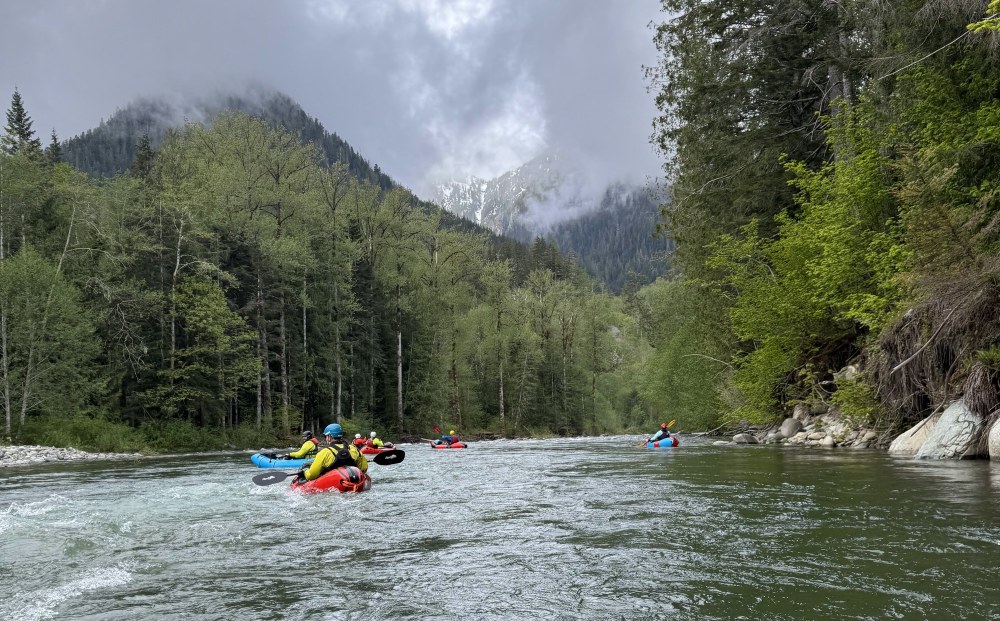
Roadless Areas are especially important for Mountaineers programs because our activities depend on these spaces and other protected landscapes to provide the experiences our members seek: refuge from the developed human experience. Activities like backpacking and hiking require large expanses of unroaded areas to provide an experience that is uninterrupted by development. Canyoning requires free-flowing, undeveloped streams that aren’t clogged with sediment from a nearby road, mine, or logging operation. Naturalist outings require protected areas where members can observe and appreciate the signs of wildlife unperturbed by human development. Backcountry experiences like these in Roadless Areas help connect Mountaineers youth and adults to the natural world and foster a desire to care for and give back to these places.
“Outdoor enthusiasts can better know and understand the values of Roadless Areas by focusing on what they protect, not on what they lack,” says Mountaineers CEO Tom Vogl. “Roadless Rule protections enhance my backcountry experiences in places like the North Cascades and remind me of our charge to steward these forests and support the communities that rely on them, toward a more sustainable future.”
Stepping up for the Roadless Rule this year
The effort to rescind the Roadless Rule is part of a larger push to weaken protections for public lands and increase resource extraction. This isn’t the first time the Roadless Rule has been threatened, and until we secure permanent protection for Roadless Areas, it likely won’t be the last.
We’re grateful for the more than 1,300 members of our community that submitted public comment to the Forest Service in support of Roadless protections. Our community’s letters had a high degree of personalization, amplifying their impact. Personalized letters highlighted specific public lands and the outdoor communities that benefit from Roadless Areas, individual outdoor activities, and personal connections to Washington’s backcountry forests. We appreciate how deeply Mountaineers members, leaders, and advocates understand the value of the Roadless Rule and the protection it provides for our natural landscapes and outdoor experiences.
In addition to submitting individual comments captured through our advocacy action, we also provided an organizational comment letter sharing the importance of Roadless Areas, their impact on Mountaineers programs in particular, and our take on the many values of Roadless Areas.
At The Mountaineers, we understand that the Roadless Rule isn’t perfect, but it strikes a balance between conservation, recreation, and fire risk mitigation. Rather than jumping straight to a sweeping repeal, we believe the Forest Service should conduct a thorough analysis of targeted changes to hone the balance among those priorities. This could include specific changes to support the growing need to build resilient forests and respond to the impacts of catastrophic wildfire in gateway forest communities.
Due to efforts by the administration to undermine the National Environmental Policy Act, it’s not clear when the next public comment opportunity will be, but we could see a draft environmental impact statement come out in spring 2026. The Mountaineers blog and monthly Conservation Currents newsletter are the best places to learn about opportunities to weigh in during this process.
Continuing to defend the Roadless Rule
The Mountaineers campaign to defend the Roadless Rule from full rescission is just beginning. We’re calling on all Mountaineers to find your connection to Roadless Areas - whether it be a canyoning trip to Dark Creek in the Gifford Pinchot or a hike with your family at Heather-Maple Pass - and share your story through advocacy. As more Mountaineers share why access to backcountry recreation is important, we can bolster a diverse and growing coalition of supporters advocating for Roadless Areas.
While we await more details on what full rescission of the Rule will look like, you can build support for permanent protections for Roadless Areas by elevating the Roadless Area Conservation Act with your members of Congress. The good news is most of Washington’s congressional delegation is supporting the legislation, and more constituent letters will help highlight the importance of the Roadless Rule.
Before your next adventure on your favorite Washington national forest, take a moment to share your support for Roadless protections with your lawmakers using our action form.
This article originally appeared in our 2026: Issue 1 of Mountaineer magazine. To view the original article in magazine form and read more stories from our publication, visit our magazine archive.
