 The Mountaineers
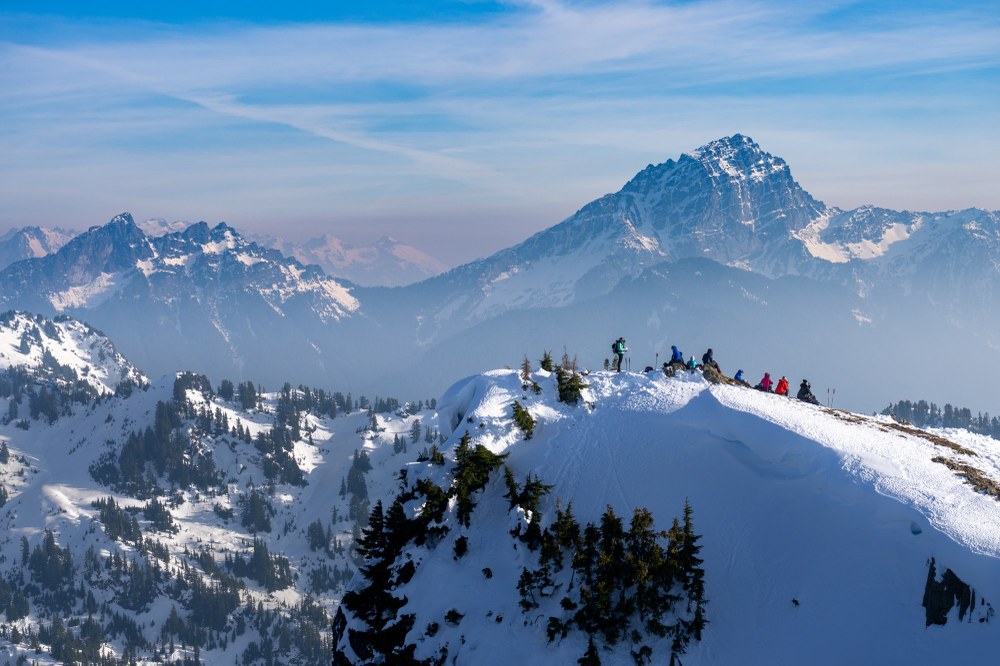
Looking to translate your outdoor stoke into advocacy action to protect your backcountry forest adventures? We’ve got you covered. The Roadless Rule protects some of our most treasured places to recreate, like Washington Pass and the Teanaway. Last fall, the administration began a process to fully repeal the Roadless Rule and open up 58 million acres of national forests nationally to increased logging and development.
Read on for answers to four common questions about Roadless Areas and get ready to advocate to defend Washington’s two million acres of Roadless forests.
What are Roadless Areas and why are they important?
Roadless Areas protect one third of the National Forest System from logging and development. Roadless Areas are important because the Roadless Rule supports and protects the following qualities and uses on our national forests:
- backcountry recreational use
- intact old-growth forest for environmental health and climate action
- Indigenous cultural rights and lifeways
- wildlife habitat
- clean drinking water
Are Roadless Areas critical to Mountaineers programs?
Yes! Backcountry areas on Washington’s seven national forests support Mountaineers programs and offer recreationists refuge from the developed human experience at places like:
- Baker Lake and recreation areas along the Mount Baker highway
- The Washington Pass area, the Heather-Maple Pass Loop trail, and Kangaroo Temple
- The Mountain Loop Highway area, including Mount Dickerman
- The Teanaway region: Bean Peak, the Three Brothers, Esmeralda Basin, Earl Peak, and the Stafford Creek area
- Olympic National Forest: Quinault Ridge, Mount Townsend, and the Dungeness River Valley
How is The Mountaineers advocating to defend the Roadless Rule?
- More than 1,300 members of our community submitted public comment in support of Roadless protections last fall.
- We sent a comment letter to the Forest Service on behalf of our community, asking the agency not to repeal the Roadless Rule.
- Our conservation team and partners are engaging Washington’s congressional delegation around the importance of Roadless protections and the opportunity to permanently protect Roadless Areas.
What’s next & how can I take action?
- The next opportunity to comment on the administration’s rollback of the rule should be coming in the next month. The Forest Service will be releasing a draft Environmental Impact Statement and will be soliciting public comment.
- We anticipate the Forest Service will offer three options related to repeal: no action, a full repeal, and a third option that would remove protections for all currently Roaded areas and areas where wildlands and rural communities intersect (the Wildland Urban Interface).
- Stay tuned to our blog and conservation newsletter on how to take action in the upcoming Forest Service comment opportunity.
- Use our action form to share your support for backcountry recreation and Roadless protections with your lawmakers in Congress.
