Trip Report
Global Adventure - Backpack the Fjords of East Greenland
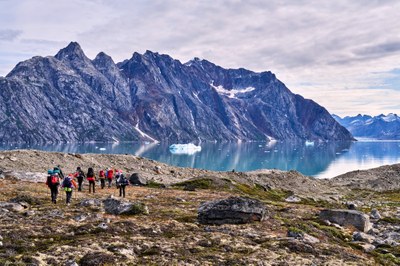
Immense and absolutely unforgiving, Greenland tested 9 Mountaineers with intense water crossings, boot-swallowing moraines, and mile after mile of challenging rocky terrain. But it rewarded with stunning views, thousands and thousands of icebergs, spouting whales, and jousts with arctic foxes.
 Colin Chapman
- Sat, Aug 9, 2025 — Tue, Aug 26, 2025
- Global Adventure - Backpack the Fjords of East Greenland
- Backpack the Fjords of East Greenland
- Global Adventures & Backpacking
- Successful
-

- Road impassable/closed
-
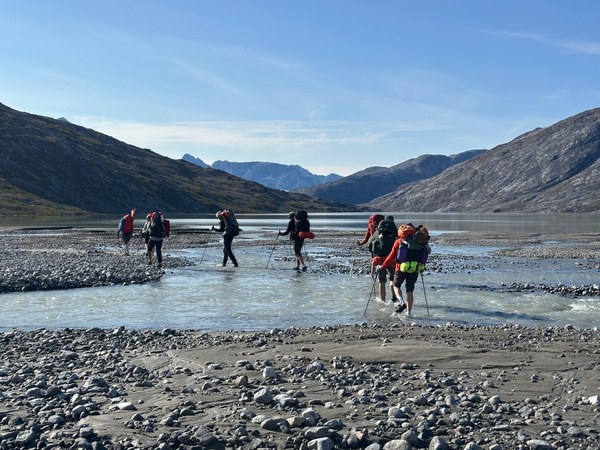
Backpacking area accessible by boat only. Route was completely off-trail on rocky terrain, river deltas, tidal flats, and tundra. Many river crossings, one of which was thigh-high.
Daytime highs of approx 45-55°F, overnight lows of approx 35°F. Max daytime high of 65°F, min overnight low of 31°F.
During 14 days of backpacking, we had 2 days of rain, 5 days of cloudy skies, and 7 days of glorious sunny skies.
Several short, flat snowfield crossings, and one low-angle snow-free glacier traverse.
After over a year of research and planning, months of physical preparation and gear selection, and weeks of packing and repacking, a group of 9 Mountaineers found themselves strapped into a small turboprop on final approach to the dirt runway on the outskirts of Kulusuk, Greenland. We were both excited and anxious about the Global Adventure we were embarking on: a 14-day backpacking trip along the fjords Greenland’s SE coast.
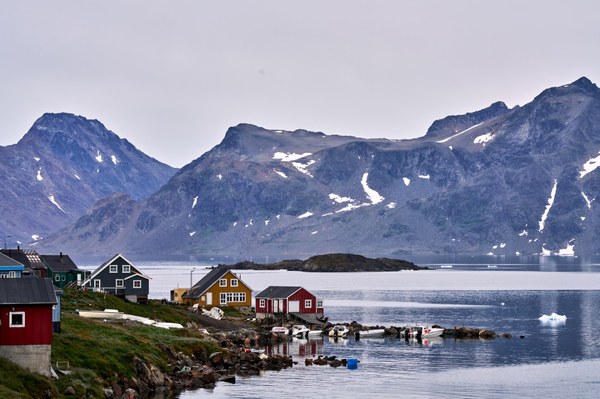
After a night in Kulusuk to pinch ourselves, take in views of the village…
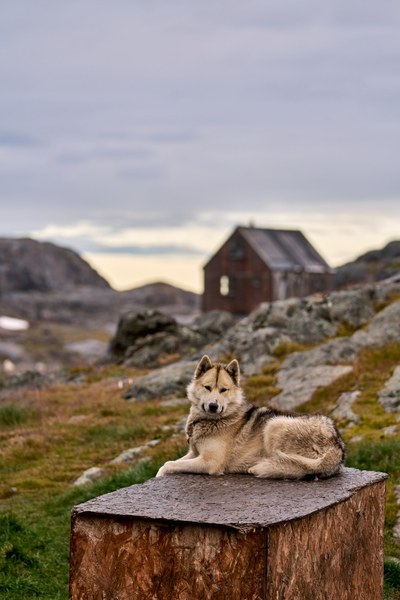
…and fawn over (but not pet) the local sled dogs…
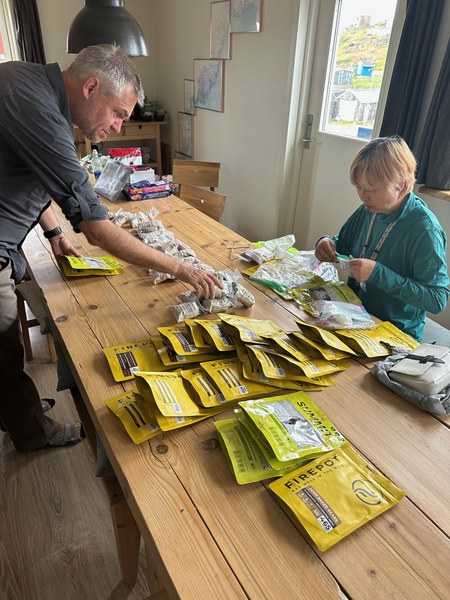
It was time to divvy up our food, stoves/fuel, and cookware.
We then donned survival suits and life preservers, loaded all of our gear into a small powerboat, and made a 90 minute journey north to the shores of Karale Fjord.
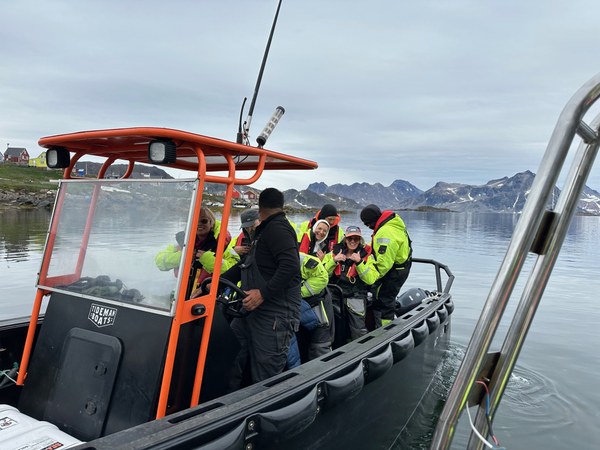
After a short hike from the rocky shoreline...
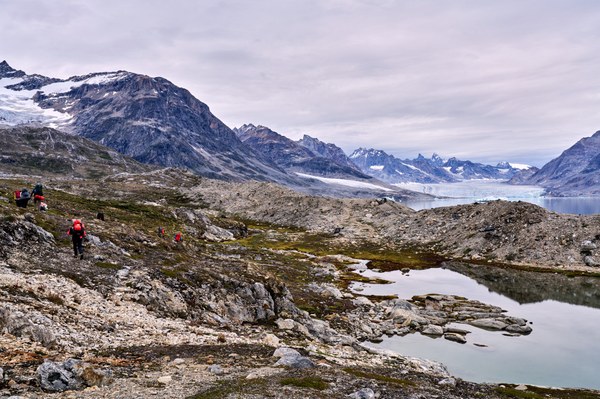
…we received training on polar bear deterrence. We could not set up tents in a circle (which could make a bear feel trapped), we had to carry non-lethal flares to scare any bear approaching within ~40m, and every night we each had a 1-hour polar bear watch shift sometime between 9pm and 6am. We then set up our first night’s camp…
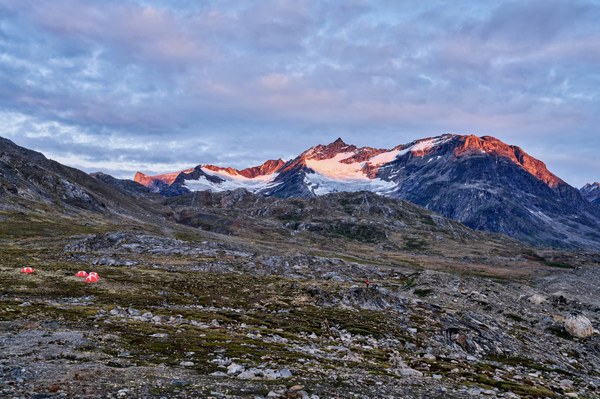
…and stared – in disbelief to be honest – at the immense glaciers and peaks surrounding us.
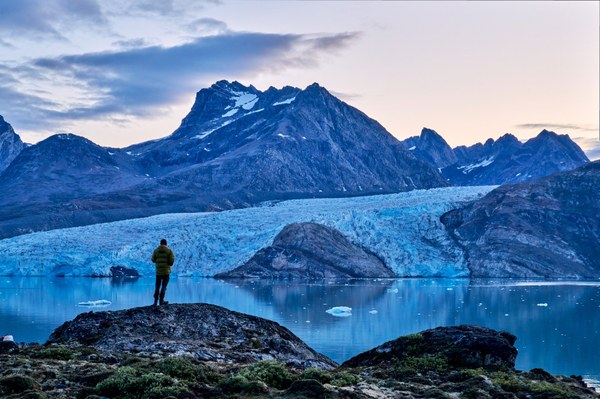
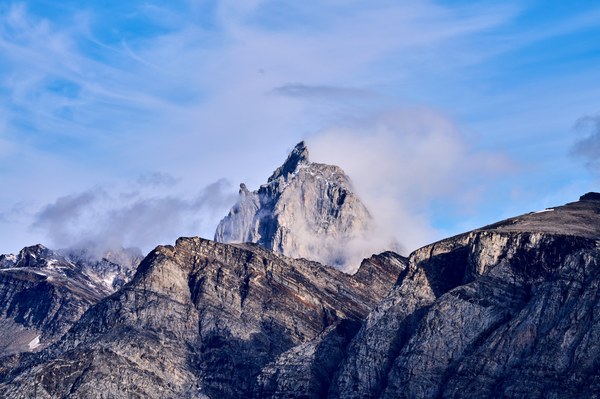
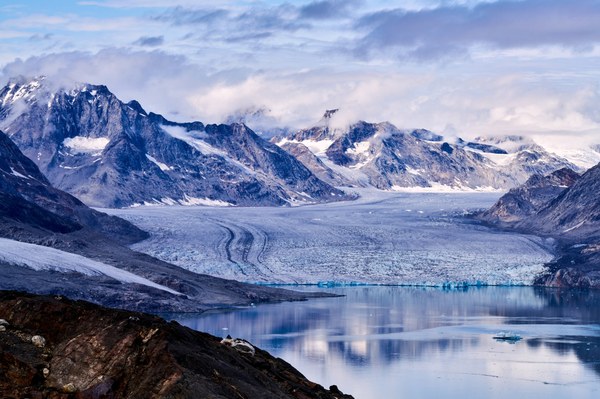
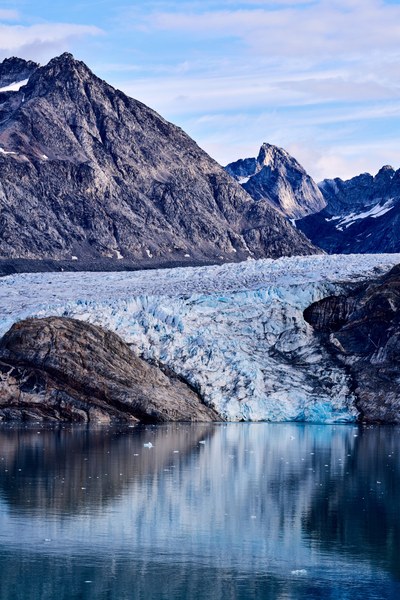
For scale, please notice the large schooner cruising in front of the Knud Rasmussen glacier below...
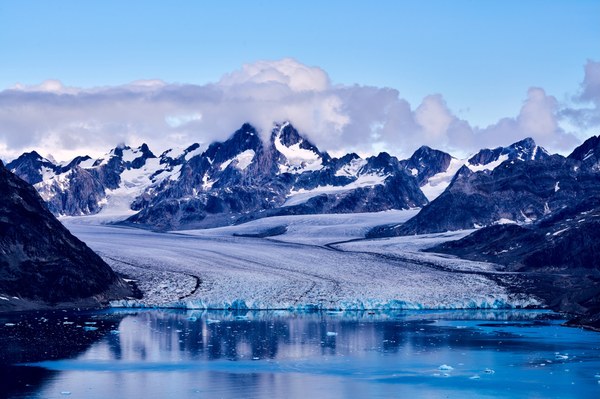
On day 2 of our trek, we headed east, along the southern shore of Karale Fjord.
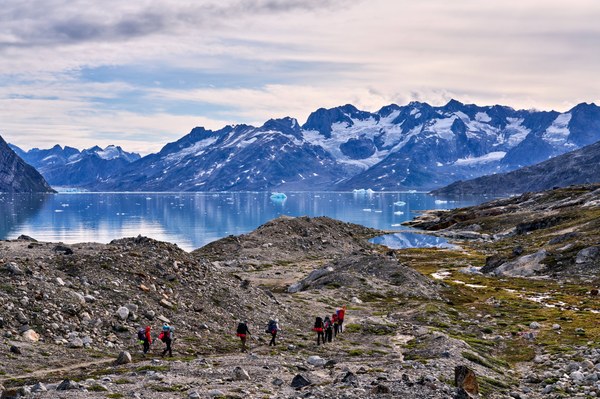
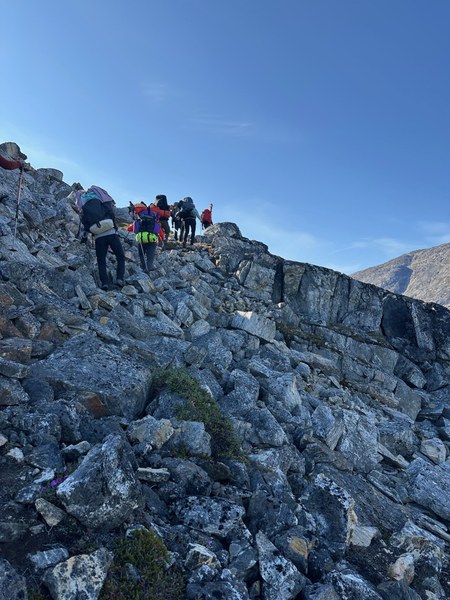
There were no trails on our trek; at most, we could follow rough boot paths on a few short stretches. But for the most part, our days were made up of route-finding on rock.
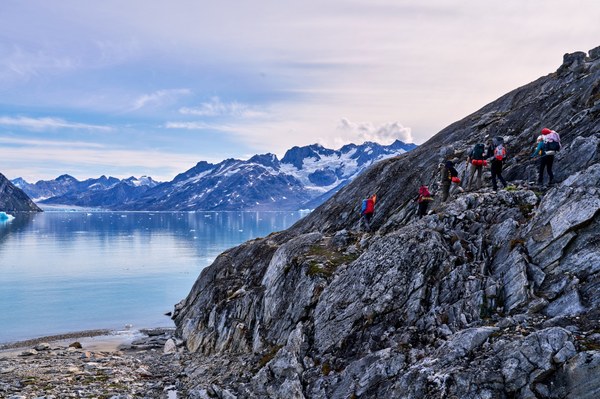
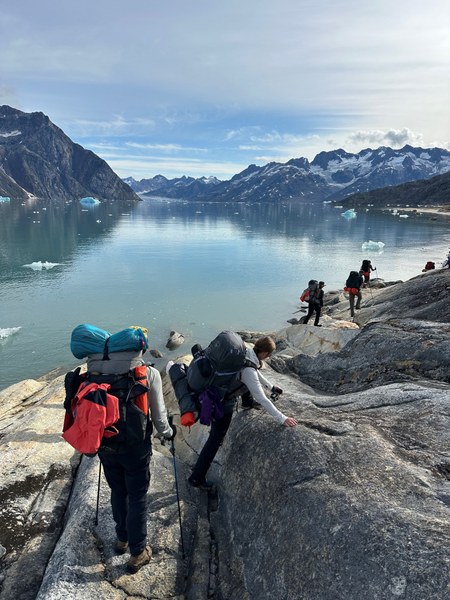
The effort was worth it; the views were eye-popping...
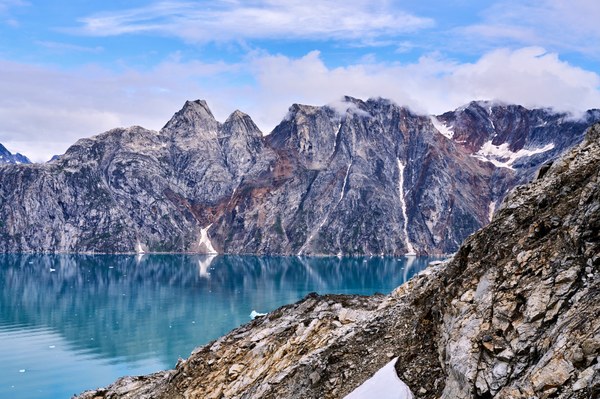
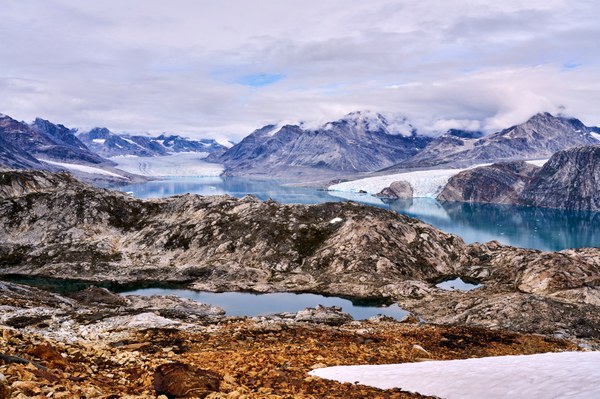
...and the rock was extremely interesting.
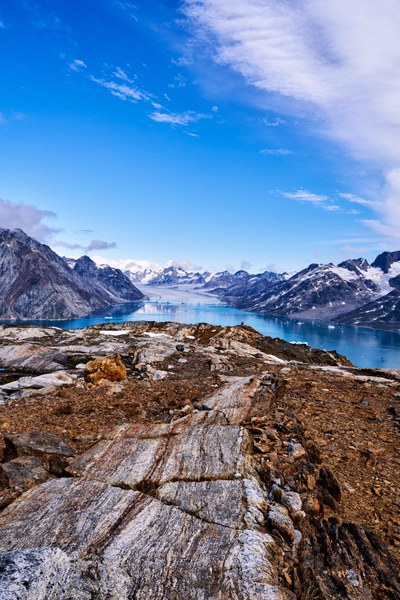
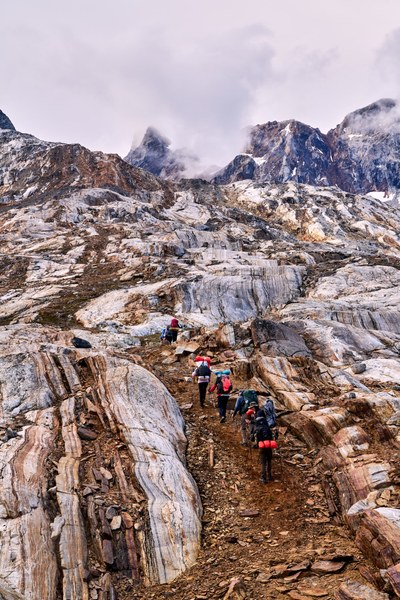 We finished day 2 by turning south, leaving Karale Fjord behind and following a valley to the shores of Ikateq Straight:
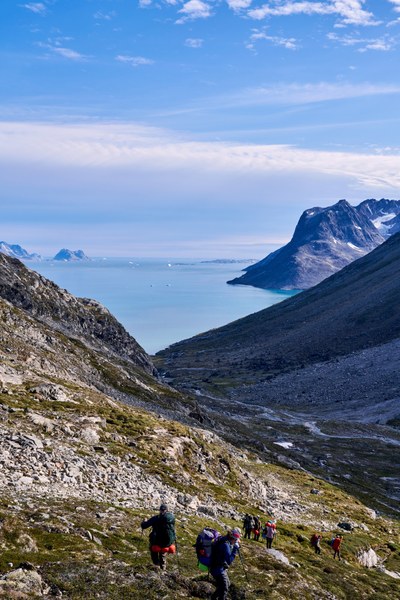
Where we set up our 2nd night’s camp:
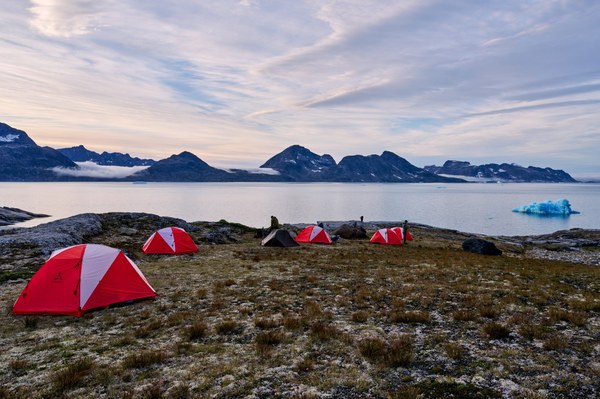
We spent all of day 3 trekking south, along the western shore of Ikateq Straight. The day started sunny...
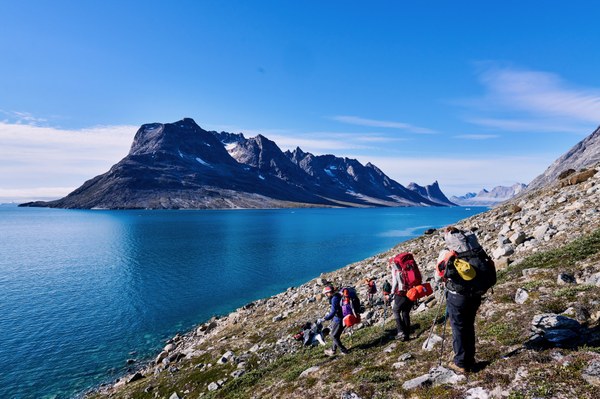
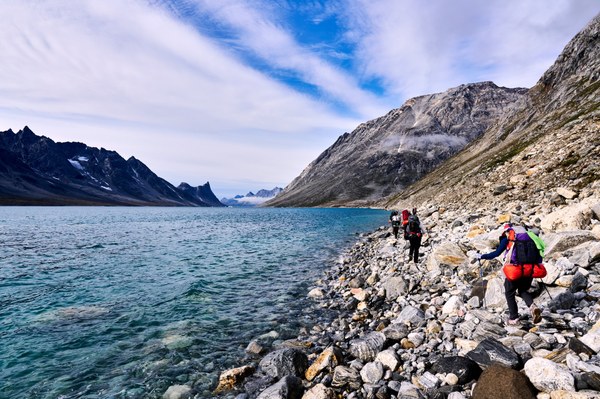
...but soon became cloudy...
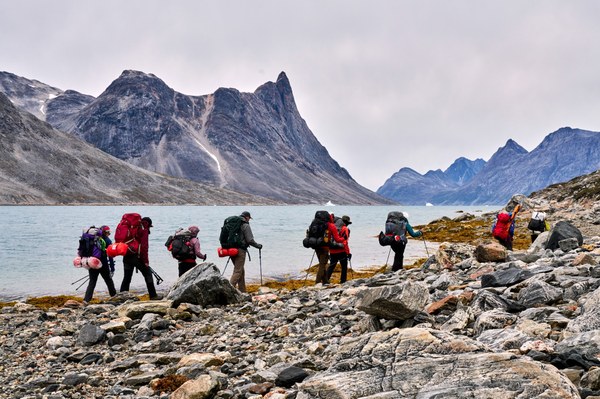
...and turned to rain by the time we arrived at Bluie East Two, a WWII-era American airfield. American forces abandoned the site in 1947. Imagine the stories that these relics could tell...
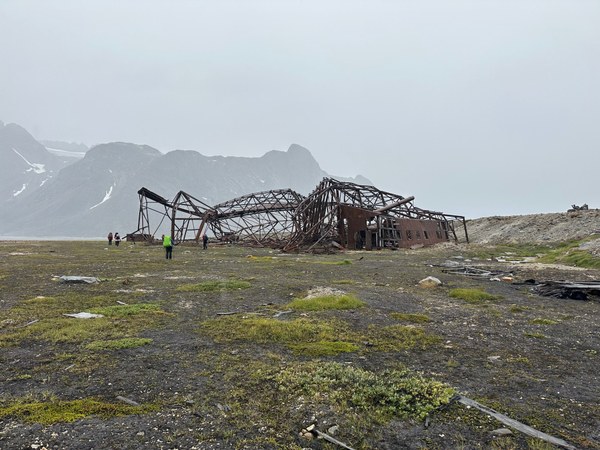
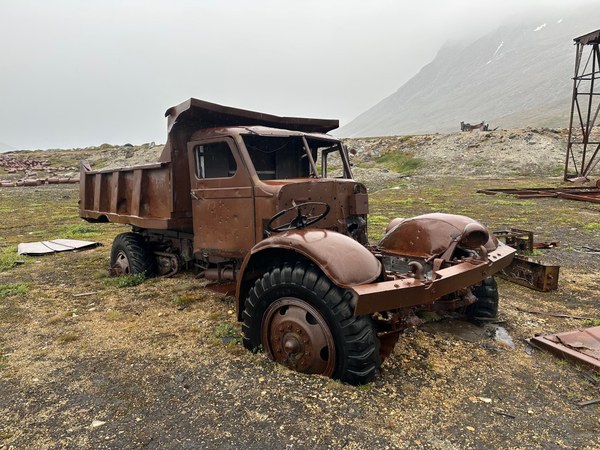
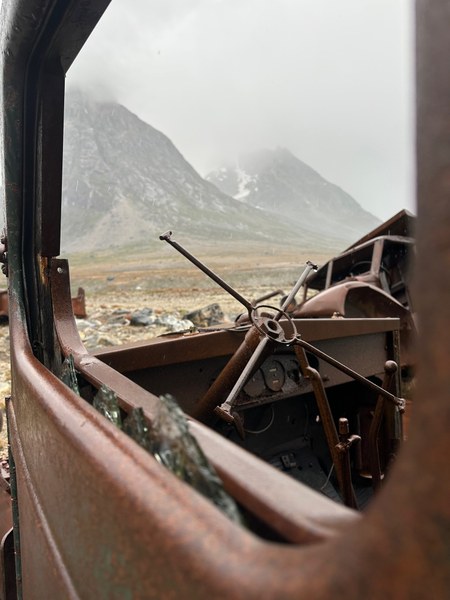
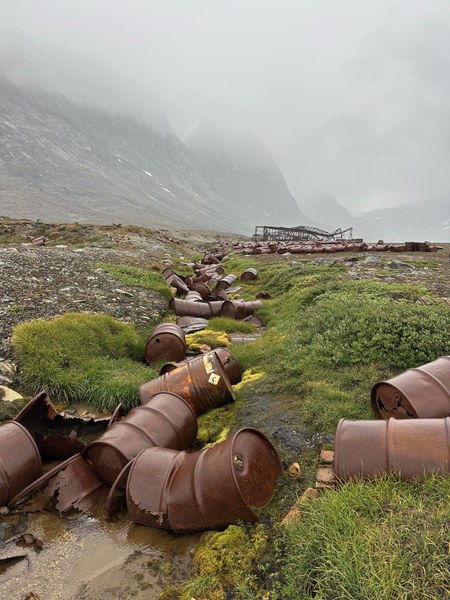
We camped just off the southern end of the airfield...
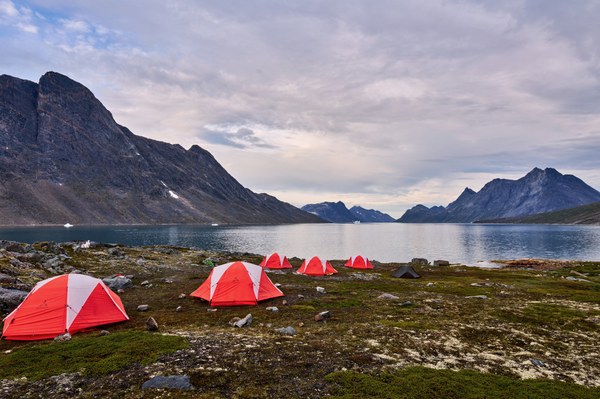
Notice the airfield right behind these 2 tents...
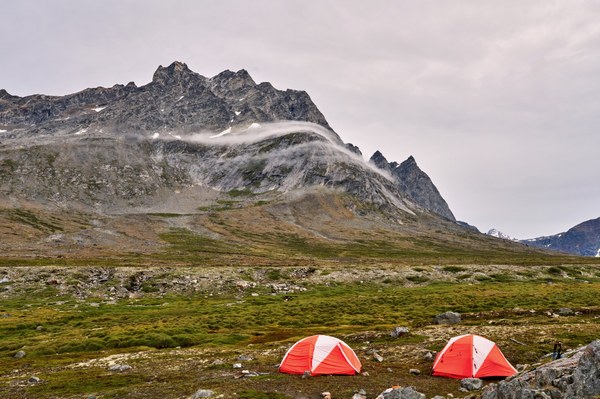
...and were heartbroken to find that our food cache (with food for days 4, 5, and 6) had been broken into!
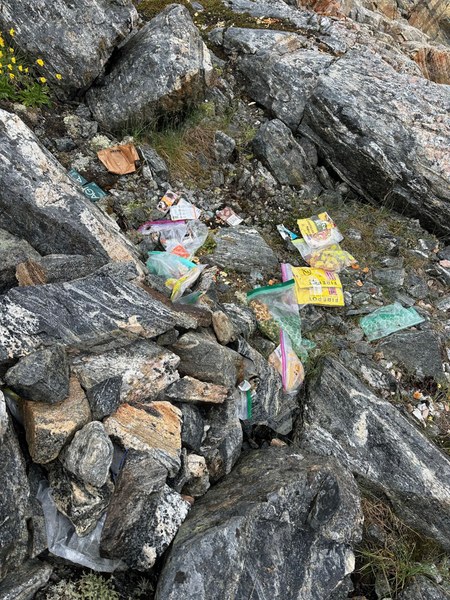
Thankfully the enterprising critter (we suspect an arctic fox) took only our trail mix, so we had enough food for the next 3 days.
By the morning of day 4, the rain had stopped and we jumped at the opportunity to let a few things dry out before departure.
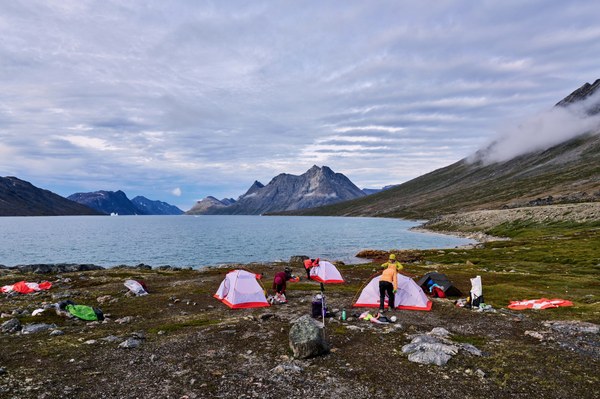
We started trekking south, using the old runway as our trail.
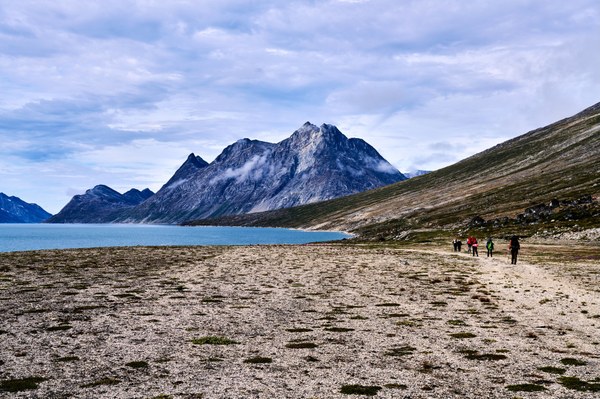
We then left the shores of Ikateq Straight and headed towards Tunu Bay.
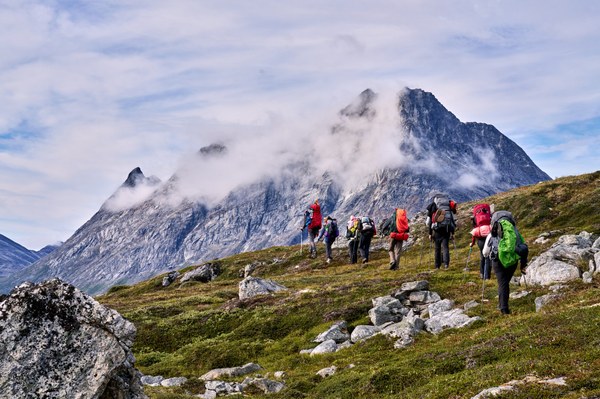
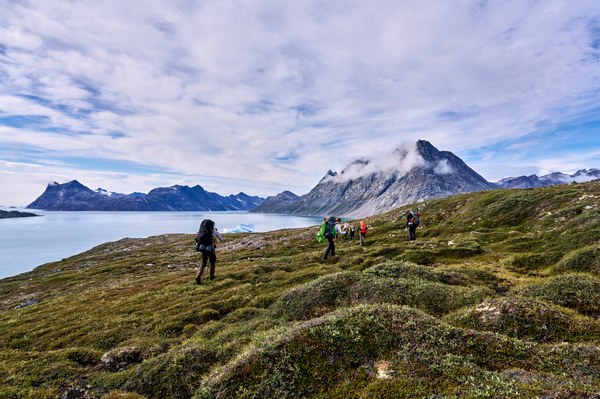
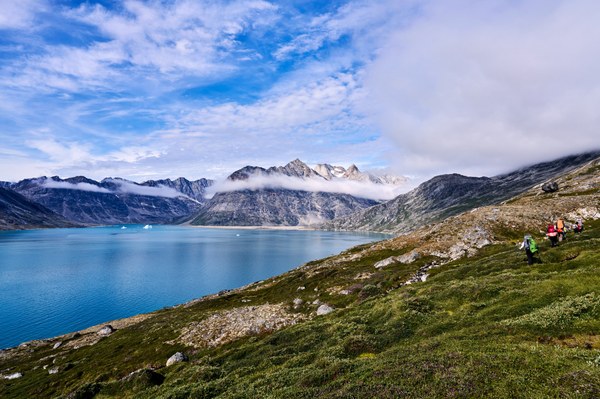
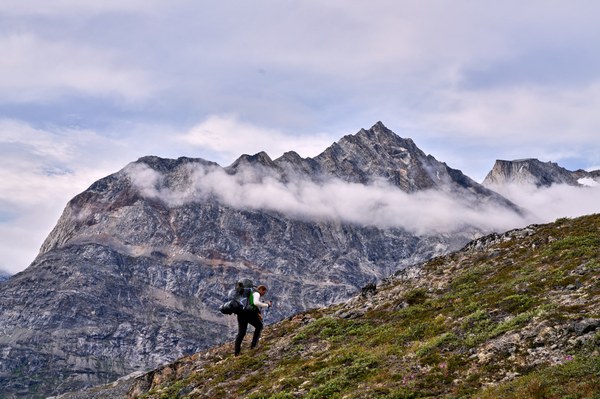
After an intense crossing of a thigh-deep glacial stream, we made our way across tidal flats...
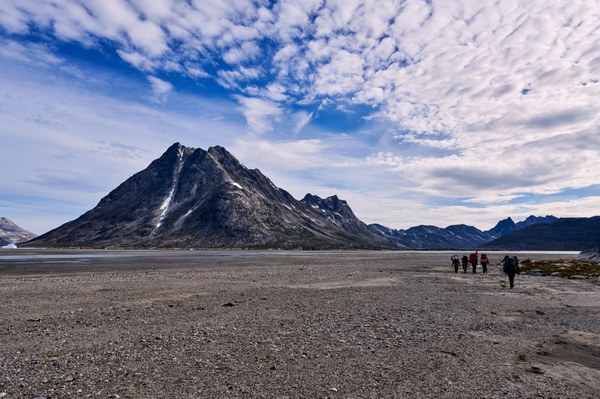
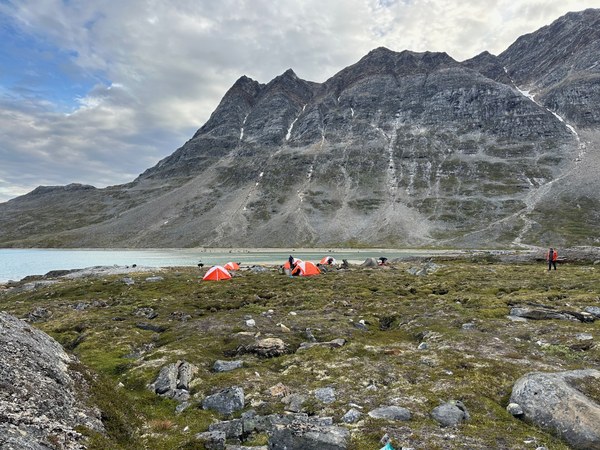
To our campsite on a peninsula.
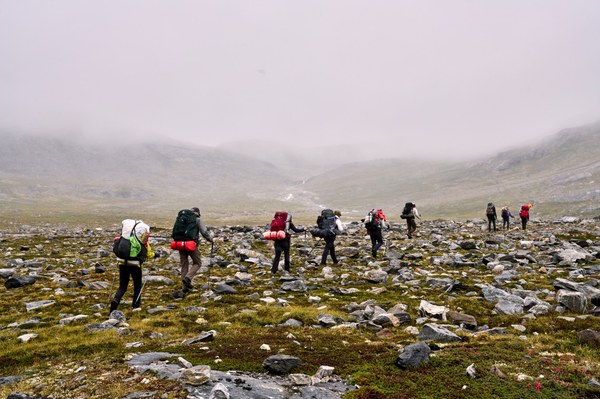
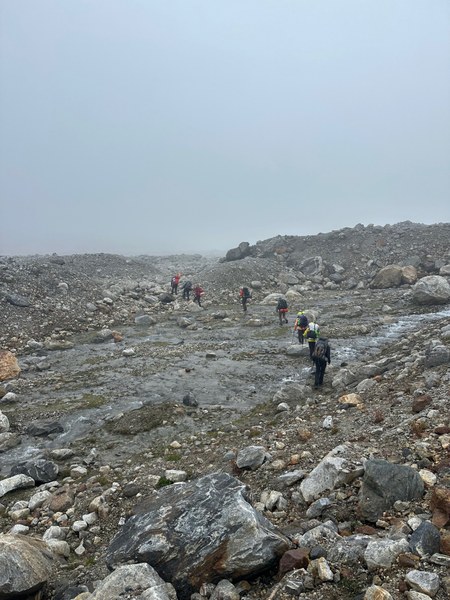
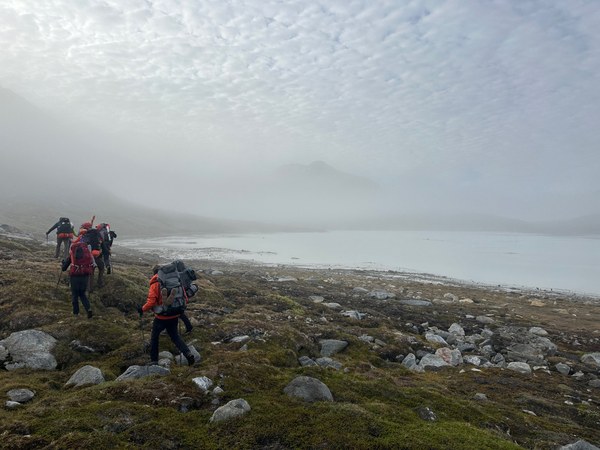
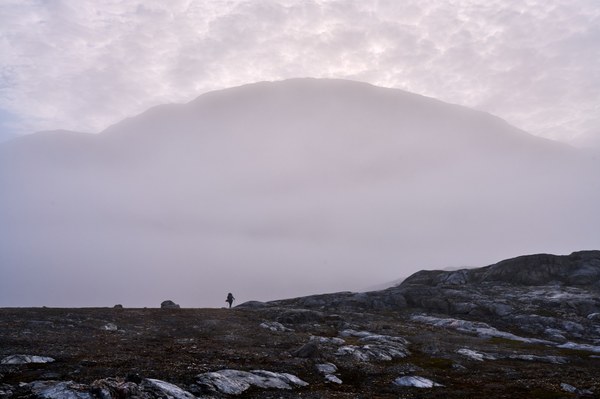
Day 5 started with some thick fog.
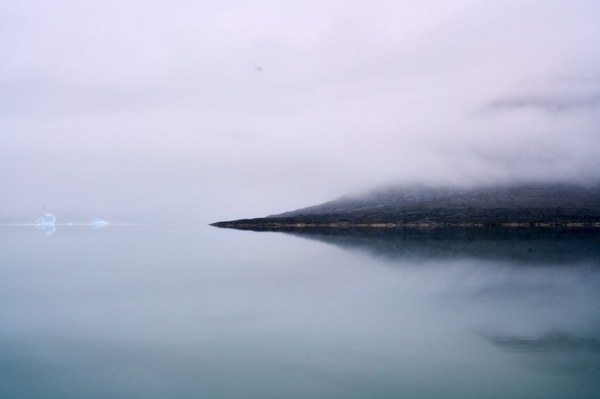
So we started our trek north, up Tunup Kua Valley, without any views of the mountains surrounding us.
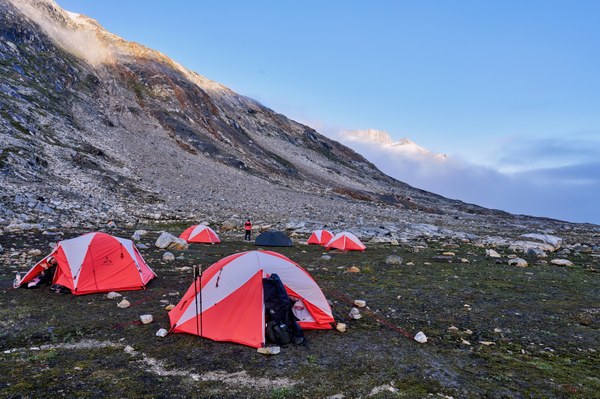
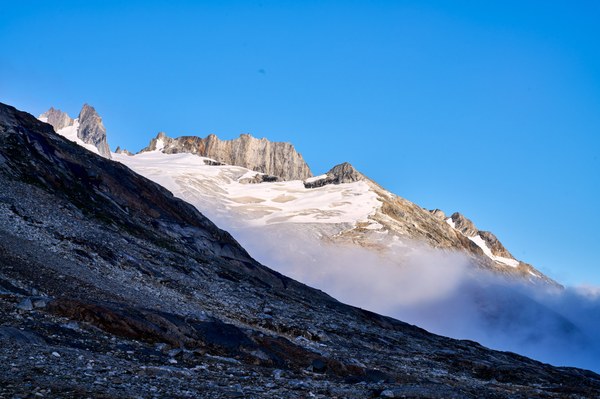
 But by the time we set up camp halfway up the valley, we were starting to see some peaks.
Day 6 started with more fog...
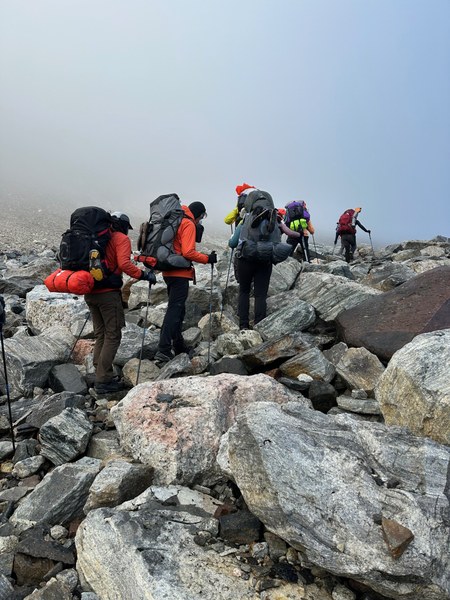
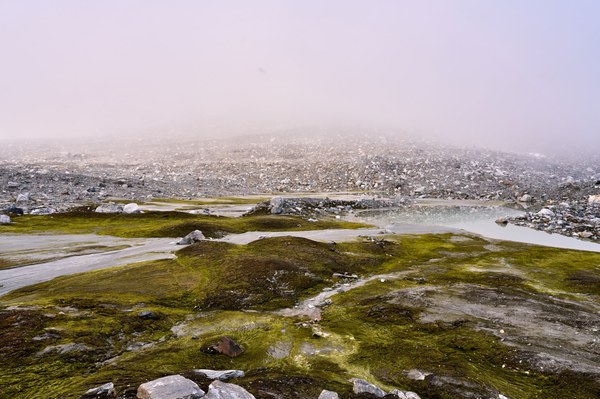
But it quickly started to burn off...
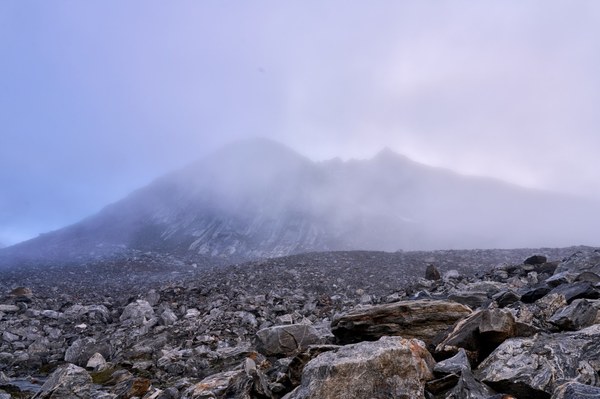
Which gave us some nice scenery while doing a short traverse of a low-angle, snow-free glacier.
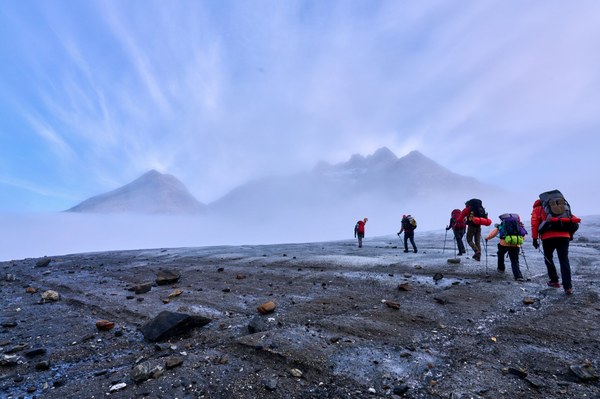
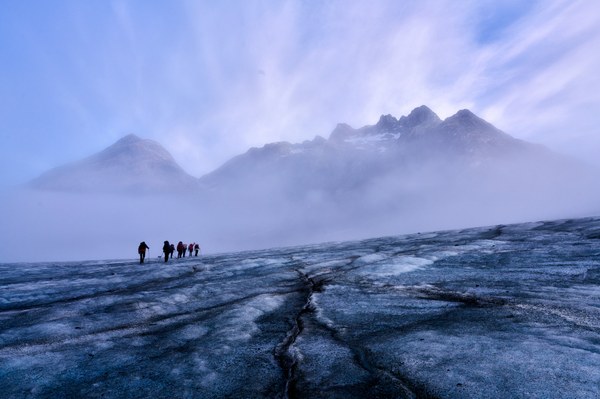
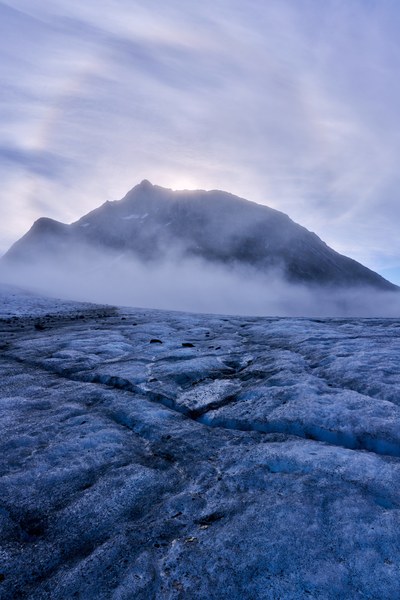
The fog had completely cleared by mid-morning, as we made our final approach to Tasiilaq Fjord.
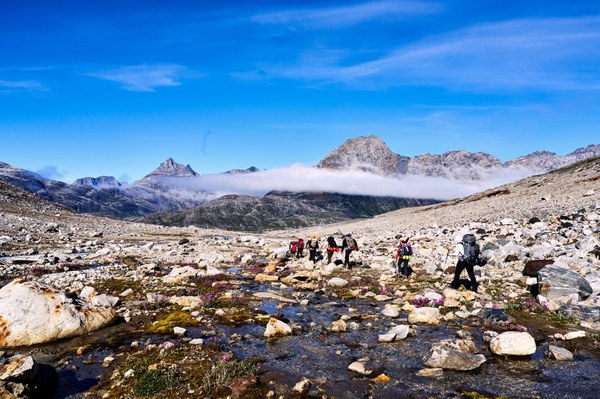
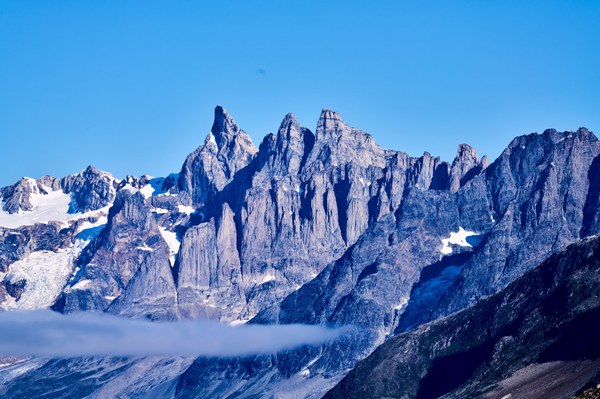
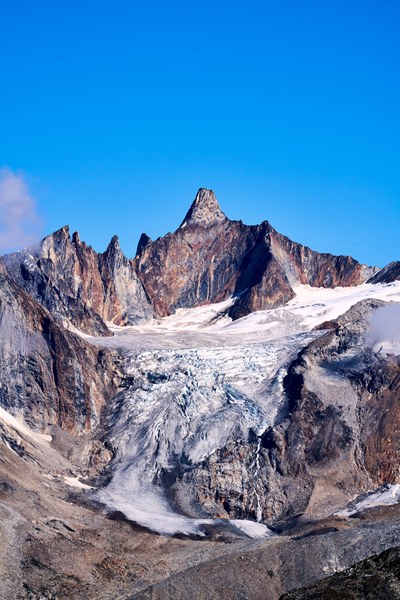
At Tasiilaq Fjord, we were in for a real treat -- unobstructed views of Fox's Jaw.
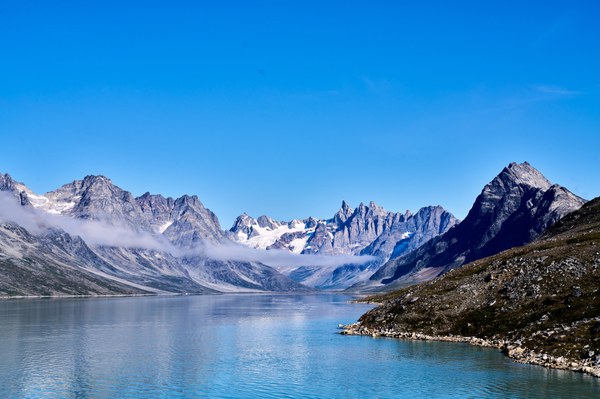
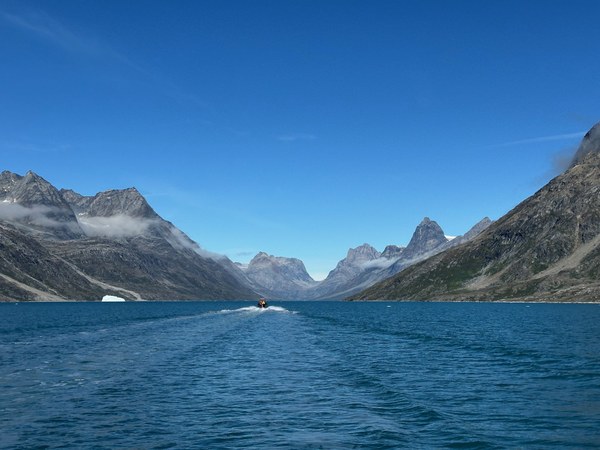
We then had a boat transfer (and food/fuel resupply) from Tasiilaq Fjord to the head of Qíngertivaq Fjord...
...where we set up camp on a small peninsula...
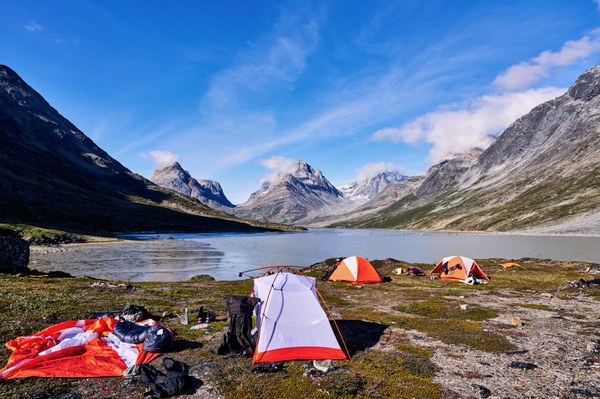
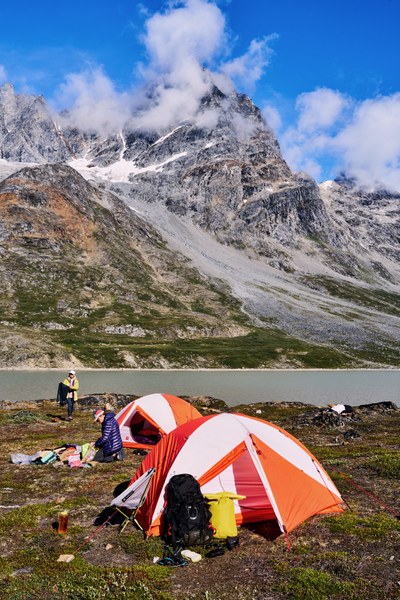
...and soaked in some nice views from camp.
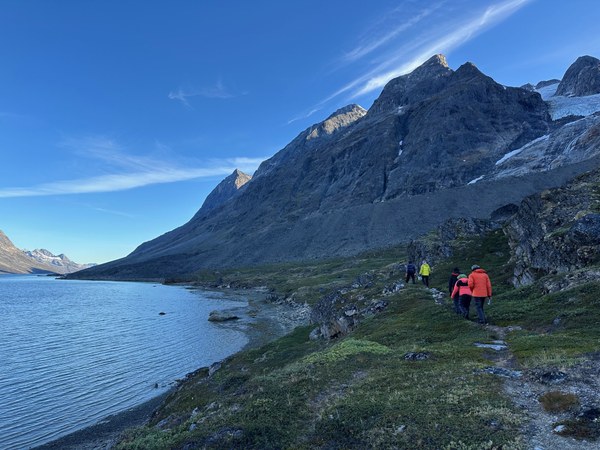
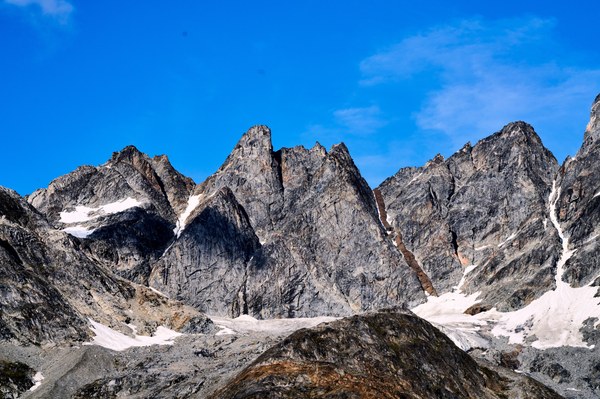
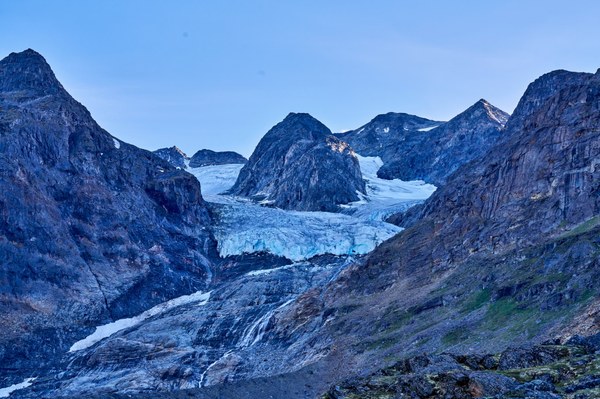
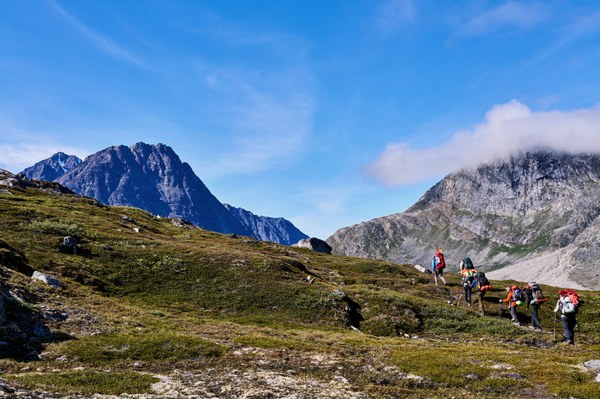
The next morning -- day 7 -- we left the fjord behind and began our trek up the Ilinnera Valley towards Sermilik Fjord. We had received an 8 day resupply during our boat transfer the day prior, so we began our trek up the Ilinnera Valley with 9 days of food/fuel in our backpacks. Heavy does not even begin to describe how our packs felt!!!
First, we trekked alongside a river delta:
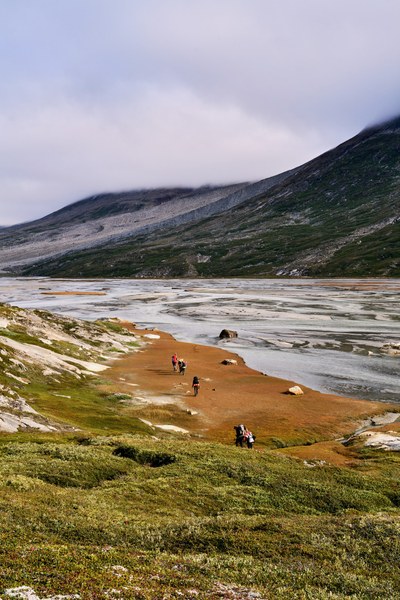
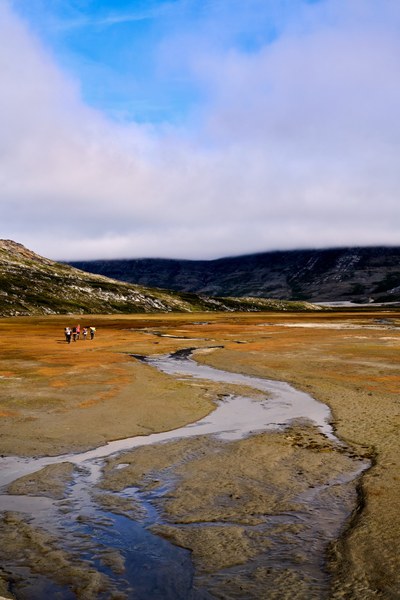
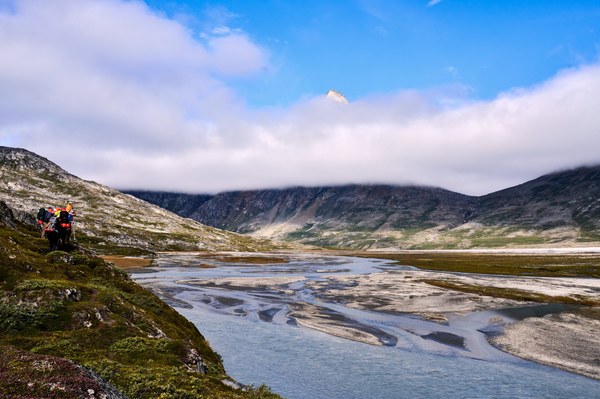
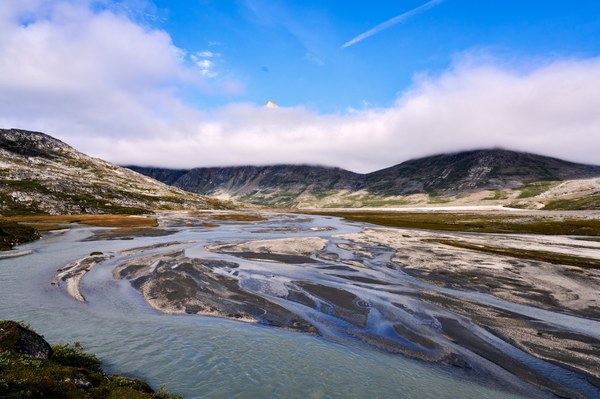
And we eventually moved onto a soft tundra terrain.
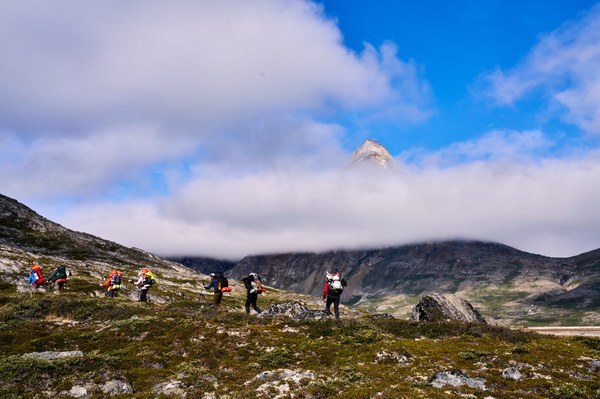
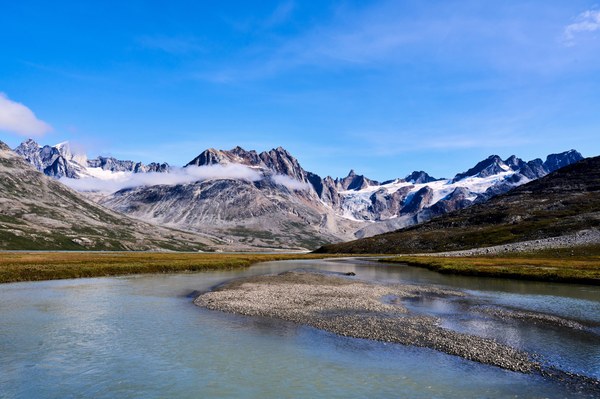
We made camp about halfway up the valley. Our camp's views did not disappoint.
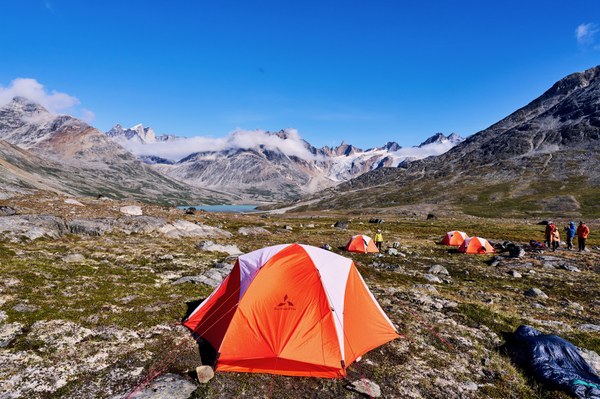
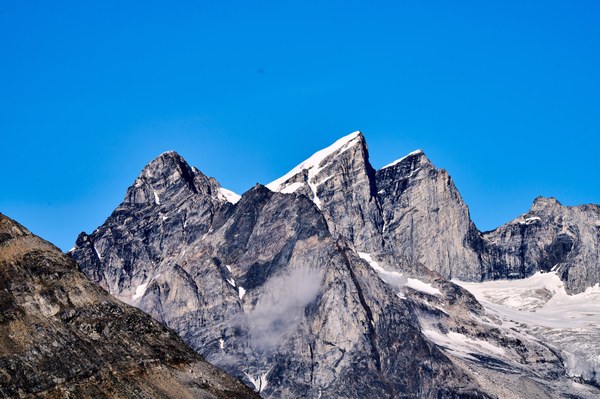
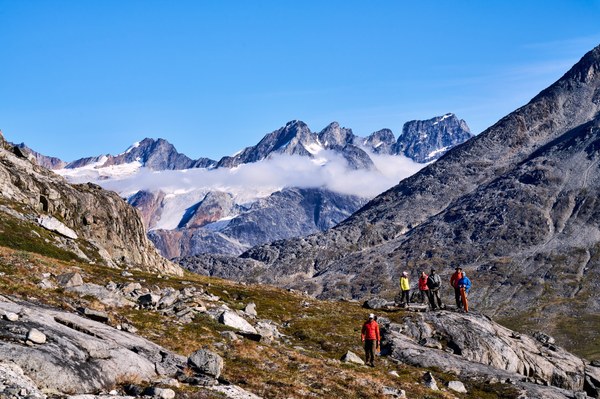
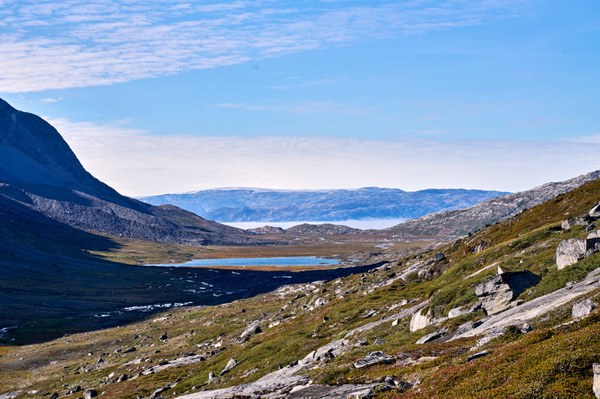
We took a short dayhike up to grab our first views of Sermilik Fjord (seen below covered in fog) as well as the Greenland Ice Sheet (the very thin beige layer on top of the rocky slopes beyond Sermilik Fjord).
And we finished our day by celebrating a participant's big (ending with a zero) birthday.
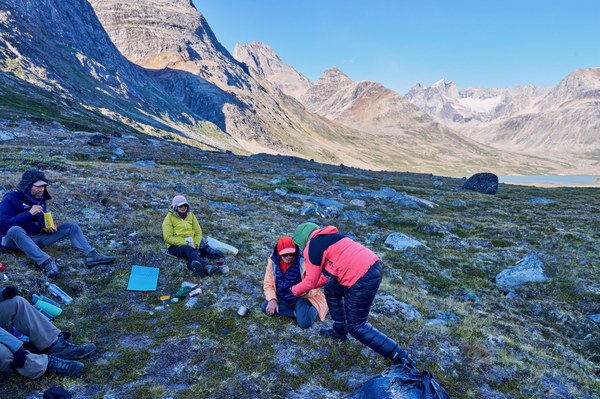
Day 8 started with a lovely sunrise.
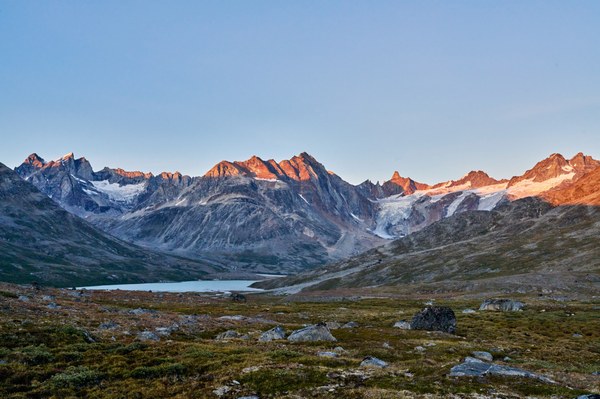
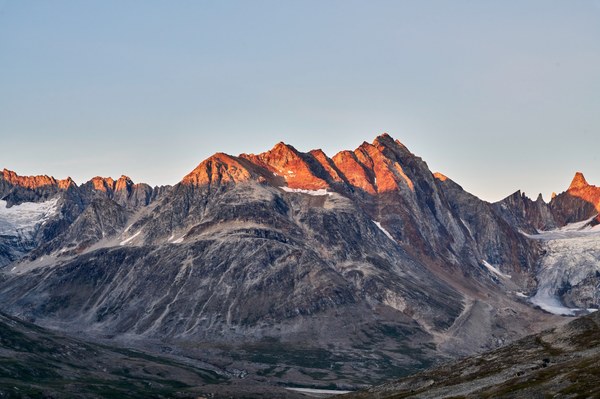
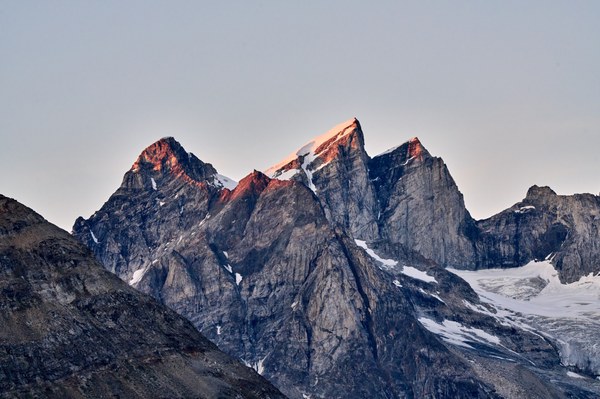
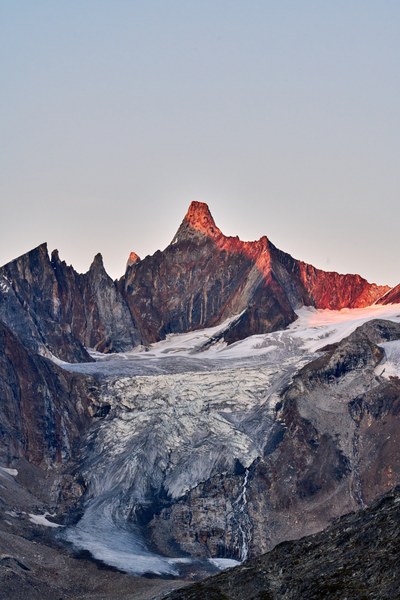
And we then headed up the valley towards our goal for the day: Sermilik Fjord.
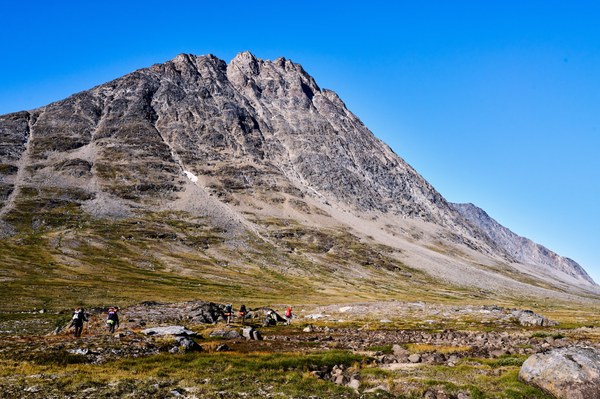
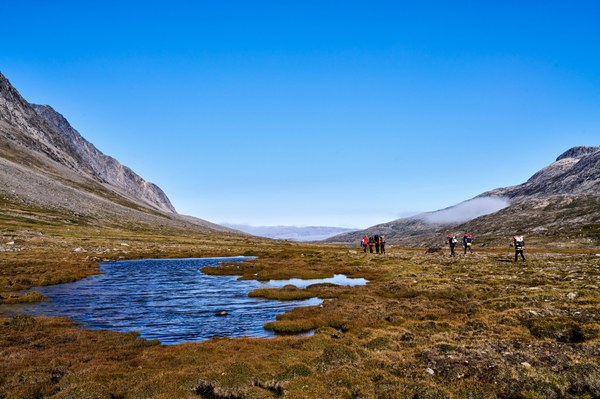
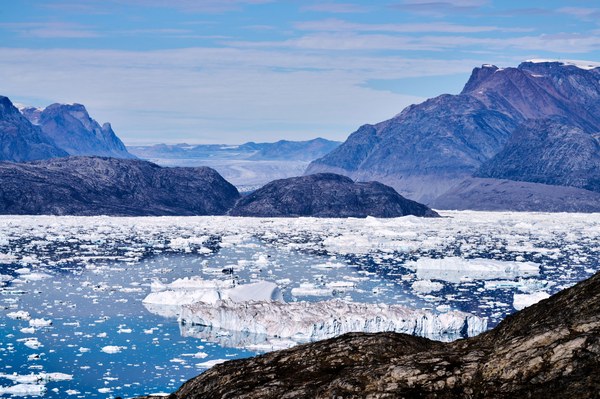
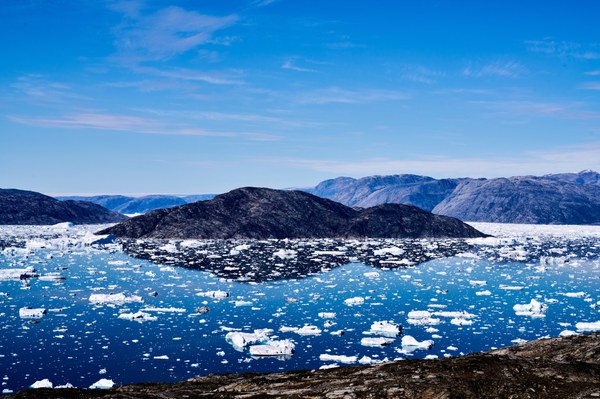
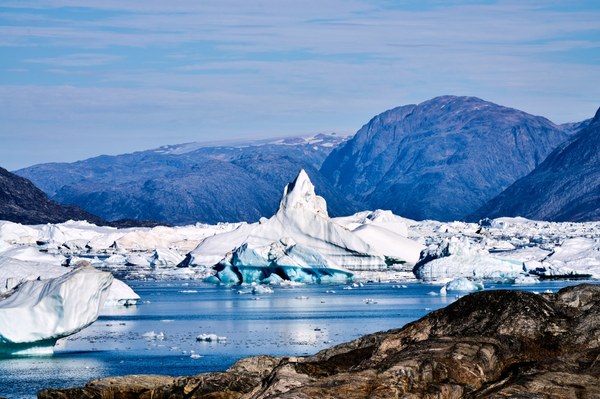
Eventually we reached the end of the valley and had our first unobstructed view of Sermilik Fjord. We were speechless -- there were literally thousands of icebergs.
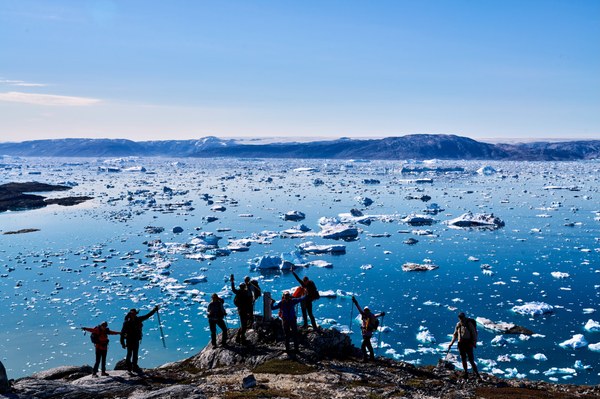
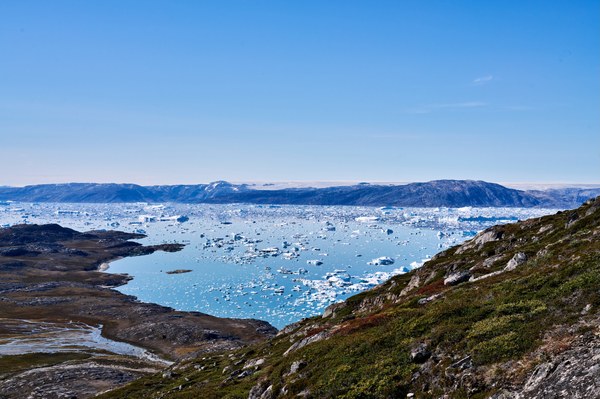
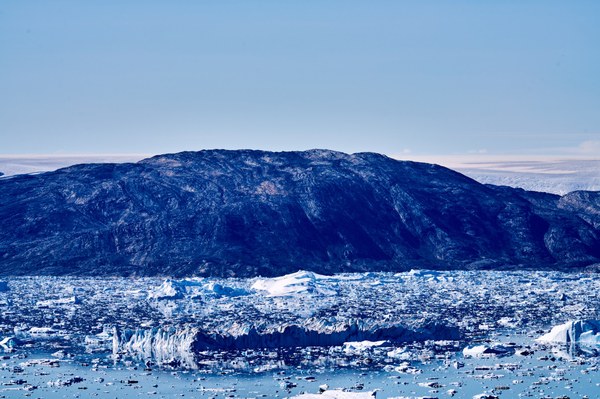
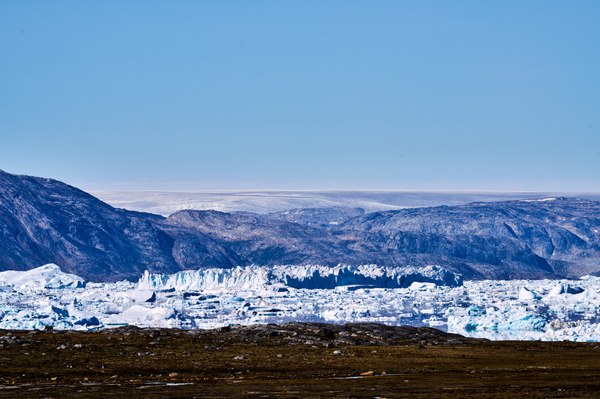
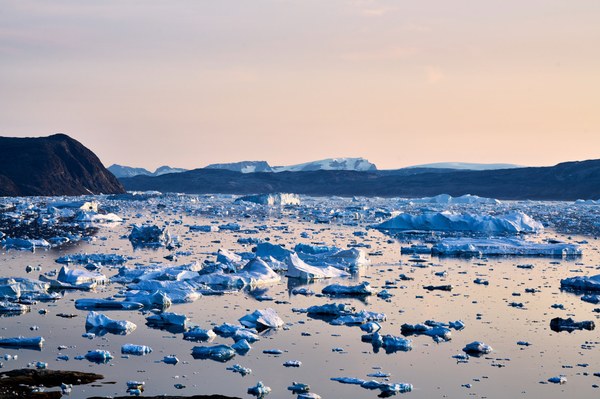
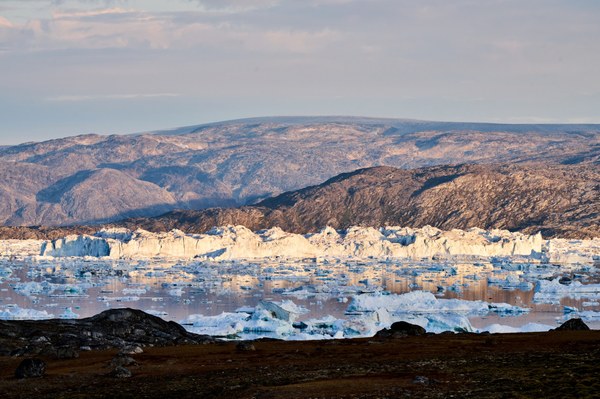
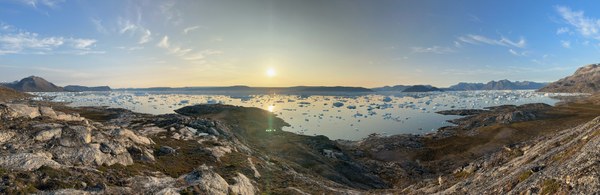
The Greenland Ice Sheet was clearly visible as well:
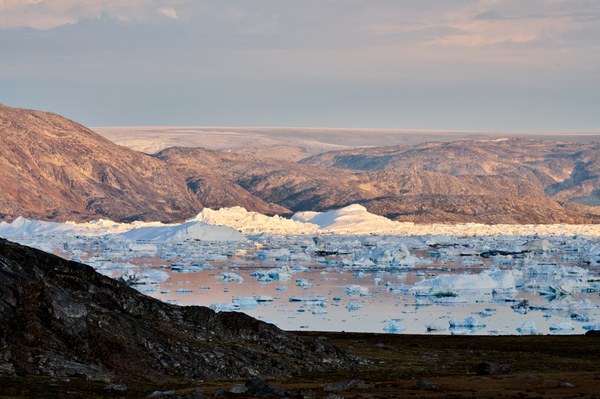
The scale is difficult to convey in photos. Some of the icebergs are tiny -- say, the size of a small car. Others are massive -- on the range of 1000' long and 100' tall.
We set up camp, thrilled that we'd be spending 2 nights at this remarkable spot. And yes, our tents are in the photo below:
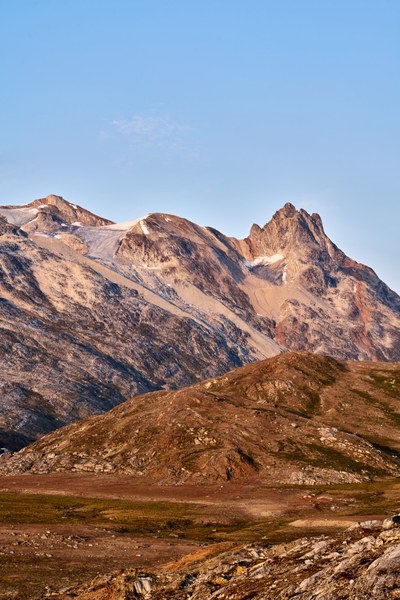
After 2 nights at our camp, with plenty of time to relax and explore, we headed south. Our goal for day 10 was to reach a bay on Sermilik Fjord, where we could camp very close to the shore.
We spent the entire day trekking alongside the fjord...
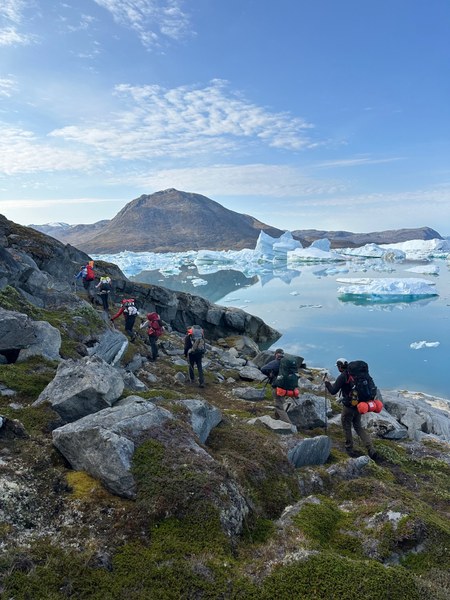
And took advantage of a low tide to examine some beached icebergs.
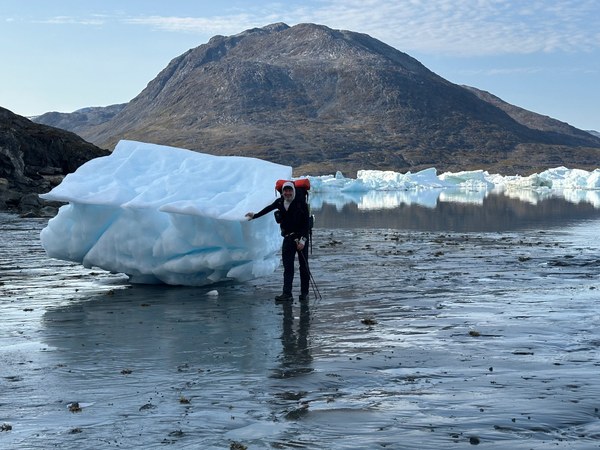
The low tide allowed us to cross tidal flats, saving some distance and avoiding a river crossing.
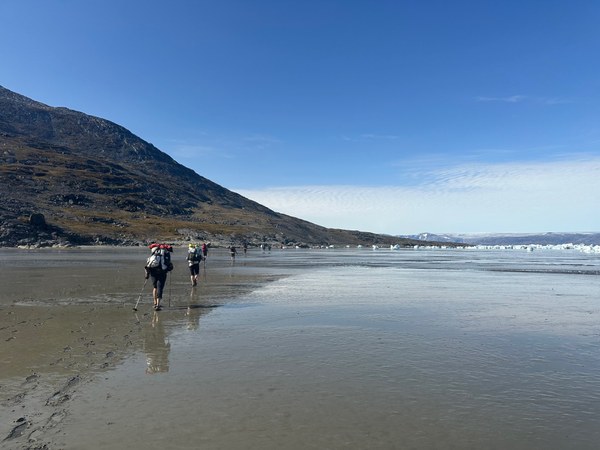
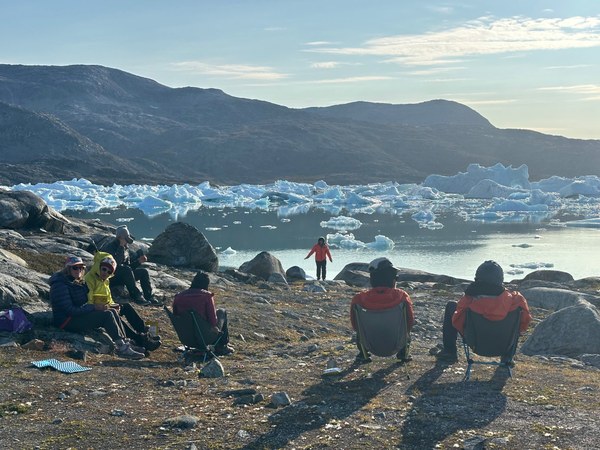
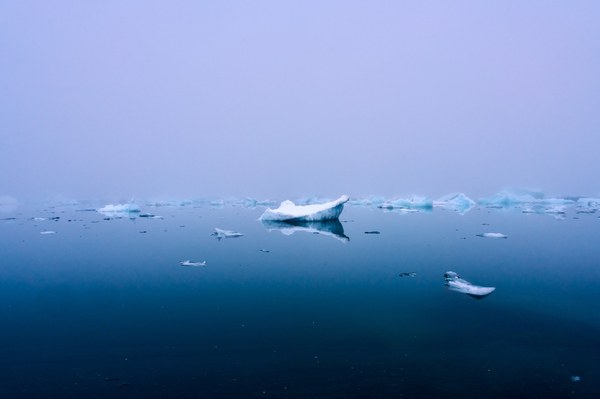
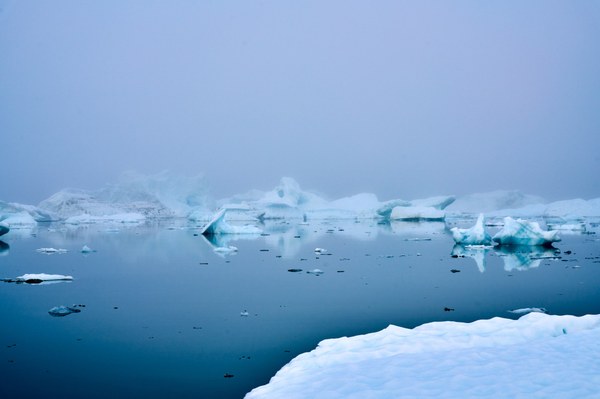
We reached camp and soaked in views of the nearby icebergs.
On day 11, it was time for us to leave Sermilik Fjord. Sermilik Fjord had been one of the key highlights of the trip, and our original plan was to spend another night at this bay that we enjoyed so much. But we needed to get to our extraction point ASAP, as a storm was inbound and it was possible that we'd need to be picked up early.
So we headed south, making a beeline to our extraction point 11 miles away. We'd been averaging 1mph on Greenland's rugged, trail-free terrain, so we knew this would be a long day.
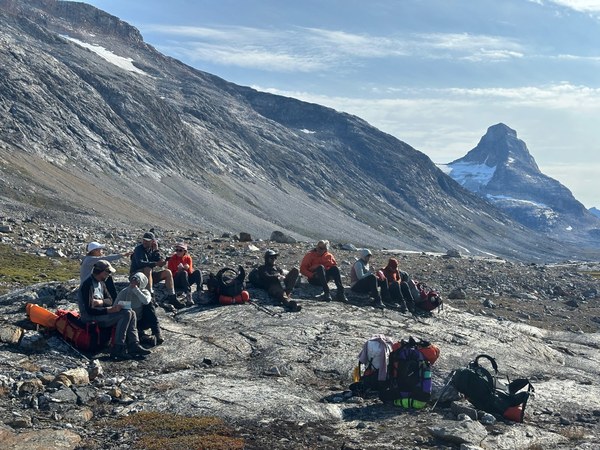
After a huge day, we reached our extraction point and set up camp. We'd be spending 3 nights here, waiting out the storm.
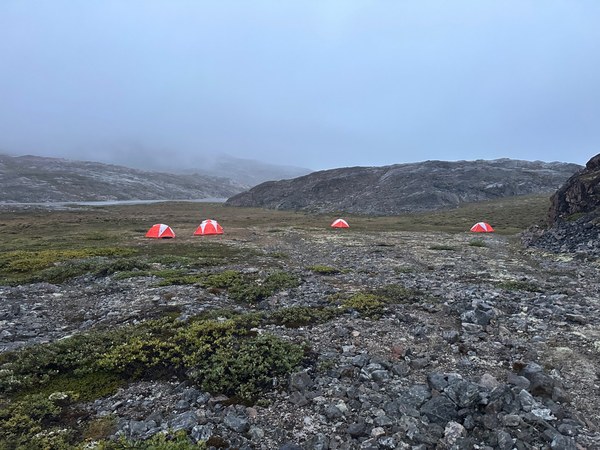
We spent most of day 12 in our tents, avoiding the rain that the storm was dumping on the area. Unfortunately, in polar bear country, that means that we needed to do our polar bear watch not only at night, but also during the day when it was dumping rain.
We got a short break from the weather on day 12, so we headed out to collect mussels.
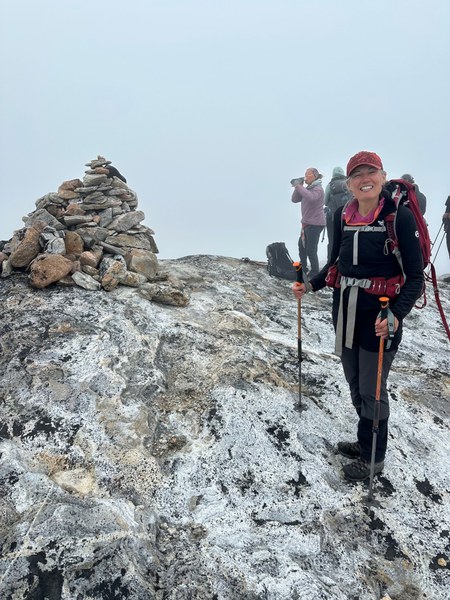
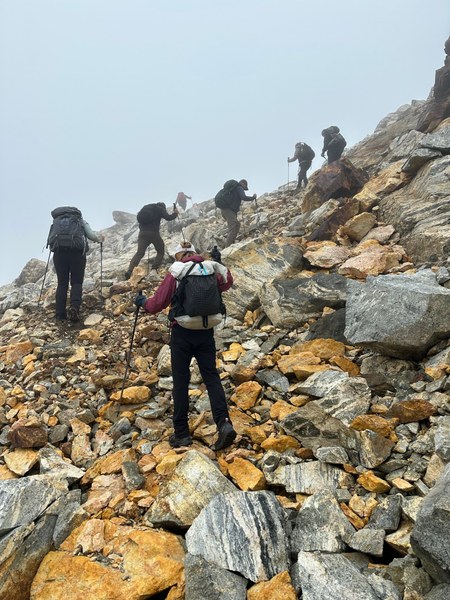
On day 13, our final full day in the backcountry, the rain had stopped. We were eager to get out of our tents and get moving. We did a great ridgeline out-and-back towards Tinit. The views were limited, but we still loved the day hike.
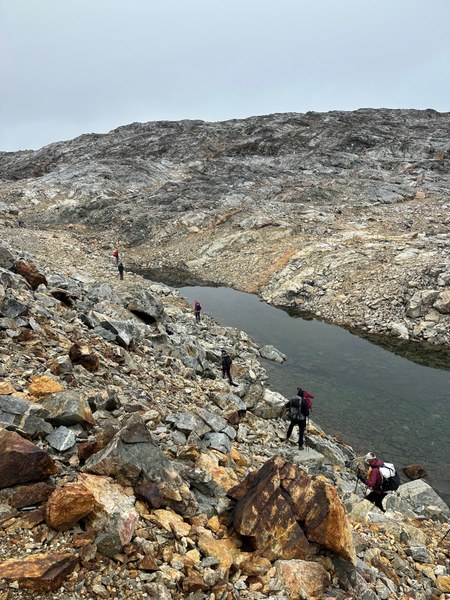
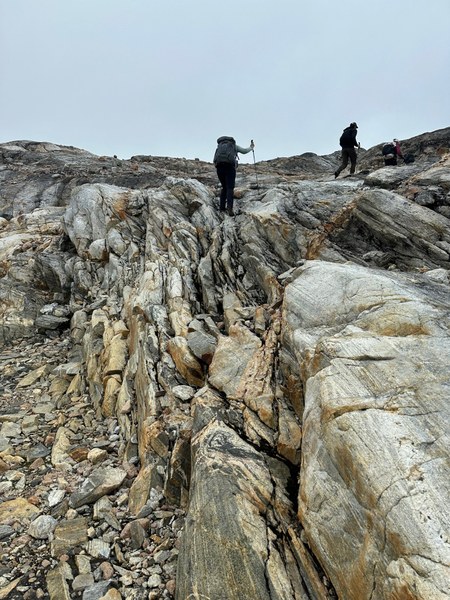
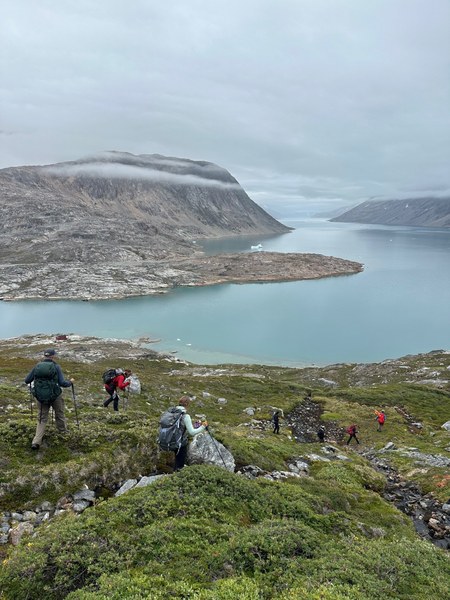
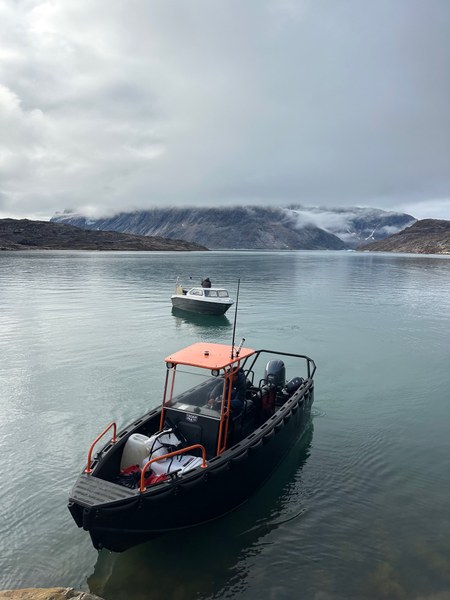
On our 14th and final day, all we had to do was pack up and wait for our boat pickup!
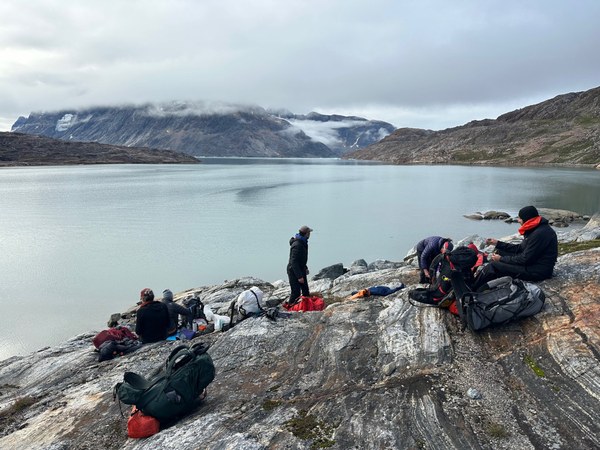
We trekked a total of 81 miles with 11,500' gain over 14 days. These were hard miles with heavy packs. But we all agreed that this was an epic, immensely-rewarding adventure that we'll never forget.