Trip Report
Alpine Scramble - Mount Hinman/West Route
Saying Goodbye to Hinman Glacier: A Labor Day Ascent
 Ananth Maniam (ஆனந்த் மணியம்)
- Sat, Aug 30, 2025 — Mon, Sep 1, 2025
- Alpine Scramble - Mount Hinman/West Route
- Mount Hinman/West Route
- Scrambling
- Successful
-

- Road suitable for all vehicles
-
Good paved road and gravel road to the TH. Limited parking - so please carpool if you can
Trip Report: Hinman & La Bohn Peaks via Necklace Valley
Crew: Jon Larson, Rachel Rische, Carolyn Graham, and Ananth Maniam
Dates: Labor Day Weekend
Route: Necklace Valley → Ilswoot & Opal Lakes → La Bohn Lakes Camp → Hinman Peak → La Bohn Peak
Day 1: Into the Necklace Valley
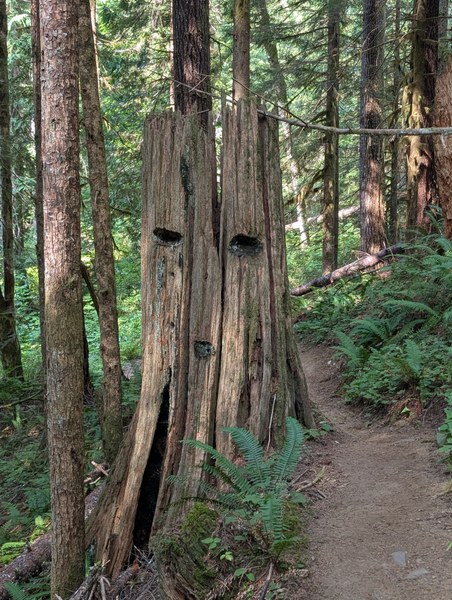
Over Labor Day, our team set out from the Necklace Valley trailhead with a plan to climb Hinman Peak (7,492 ft) and La Bohn Peak. The trail starts gently, winding five miles through old-growth forest alongside a clear, tumbling river. It was a peaceful warm-up before the terrain began to rise more steeply through rock gardens and alpine valleys.
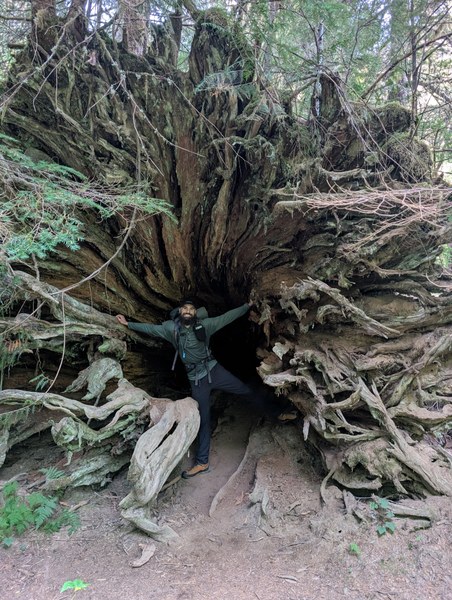
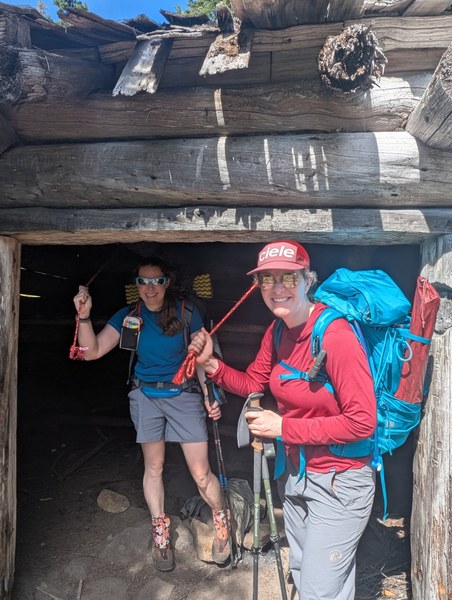
We passed Ilswoot Lake and the shimmering waters of Opal Lake, pausing to take in a curious landmark: an old World War II memorial cabin, a reminder that these mountains hold stories far beyond our own footsteps. From here, the trail ended and the real work began. We scrambled up slick rocks beside a waterfall, picking our way toward the basin.
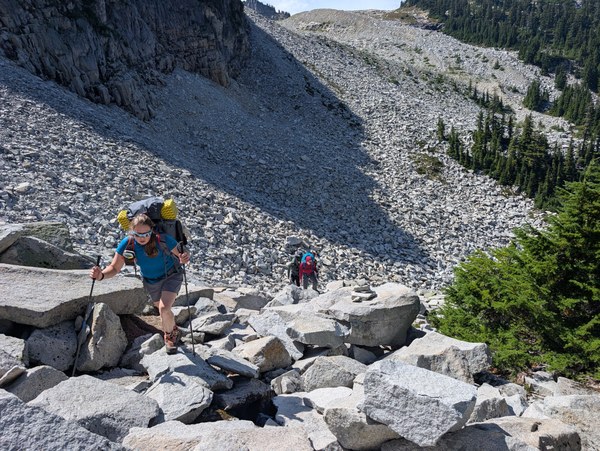
By late afternoon, we reached the La Bohn Lakes, a cluster of sapphire pools cradled high in the Alpine Lakes Wilderness. We set up camp, shared a meal, and watched the alpine sky flame out into a soft sunset.
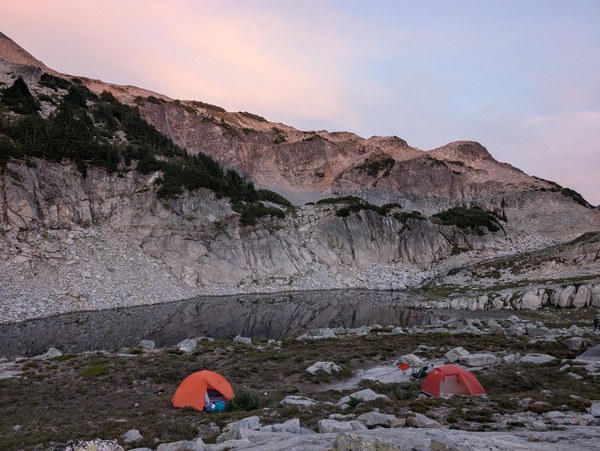
Day 2: Saying Goodbye to the Glacier
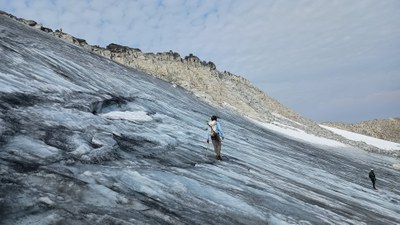
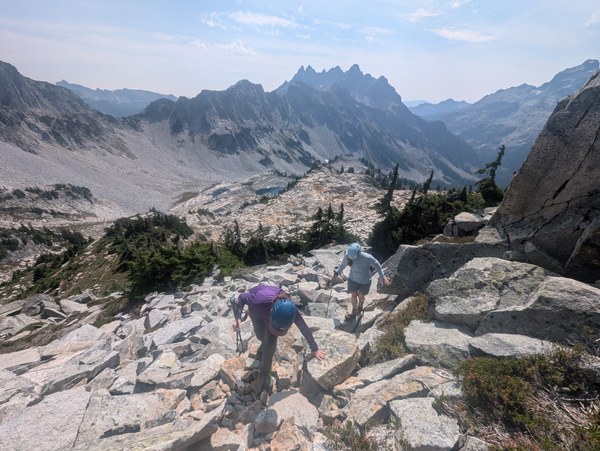
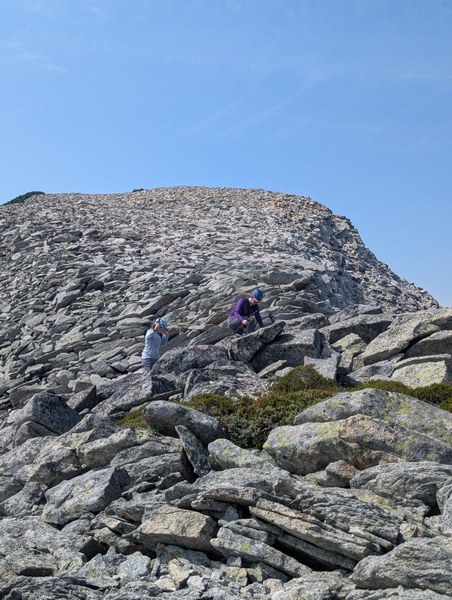
We woke at 6 a.m., geared up, and pushed toward Mount Hinman. To reach its summit, we crossed what used to be the Hinman Glacier. Once the largest glacier between Mount Rainier and Glacier Peak, it was officially declared “dead” in 2022 after shrinking beyond the point of flow. Now, only stranded ice patches remain—a heartbreaking reminder of climate change’s pace, especially given this glacier lies just 50 miles from downtown Seattle.
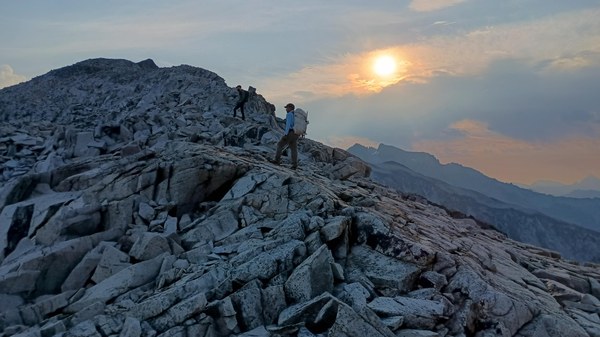
Instead of snowfields, we found unstable slopes of loose rock the size of dining tables. Our crampons and ice axes proved invaluable for navigating the stubborn patches of blue ice that remained. It was sobering to realize the mountain itself hadn’t yet stabilized after losing the glacier that once bound it together.
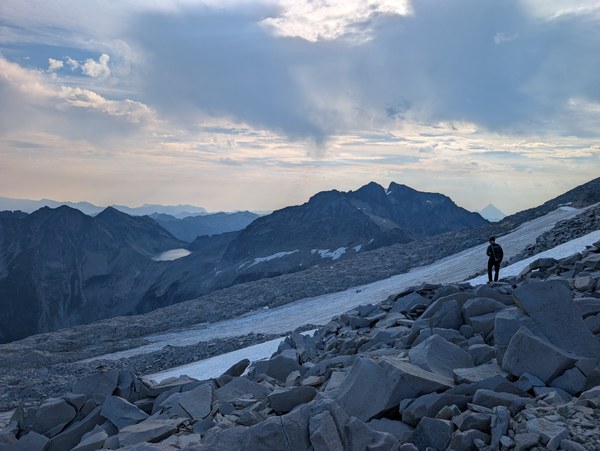
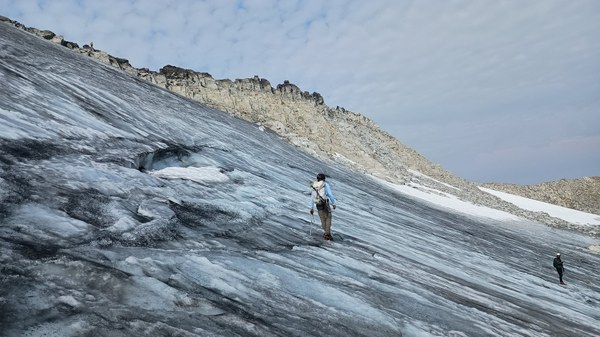
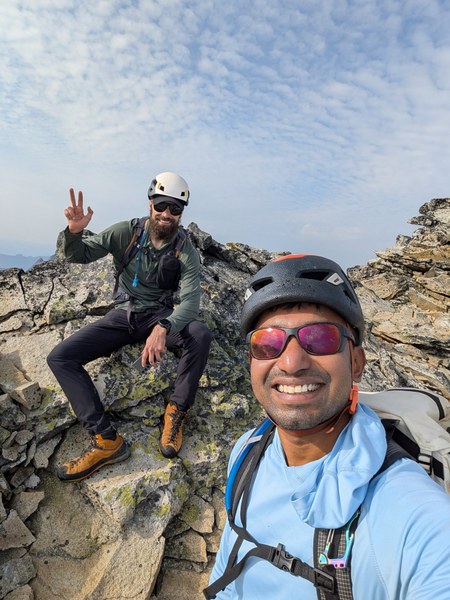
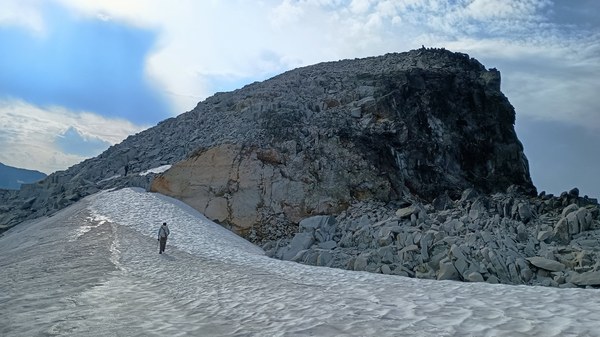
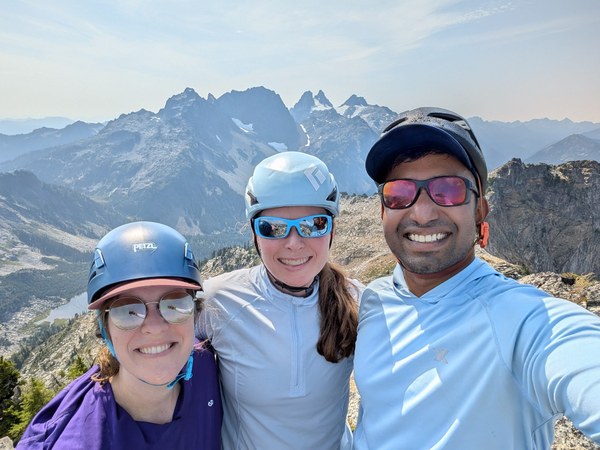
At the summit, haze softened the otherwise sweeping views. We didn’t linger long—descending required focus. Cairns guided us back, and once again the crampons saved us from sketchy footing.
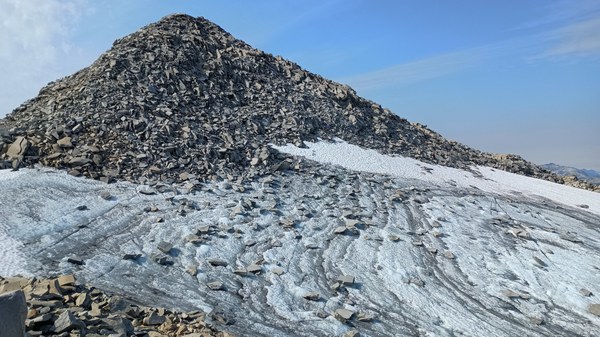
At La Bohn Gap, energy still in the tank, we decided to tag La Bohn Peak. The climb was mercifully straightforward—solid rock, light scrambling, and another summit in the bag. Back at camp, the sunset felt extra well-earned.
Day 3: Berries, Mushrooms, and the Long Exit
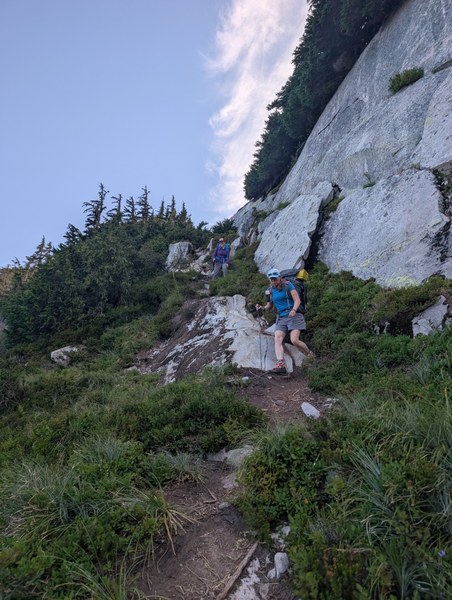
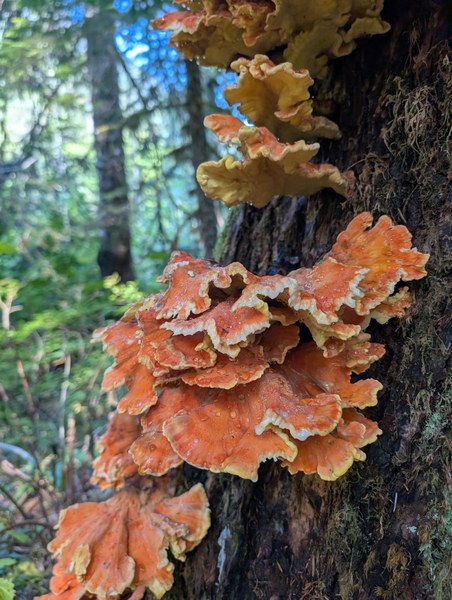
Morning came slower on the third day. Packs were lighter, spirits still high. As we retraced the trail out of the valley, we helped ourselves to wild berries dotting the meadows and marveled at the explosion of mushrooms along the forest floor. Ten miles later, dusty and content, we reached the trailhead.
Reflections: Peaks, People, and the Past
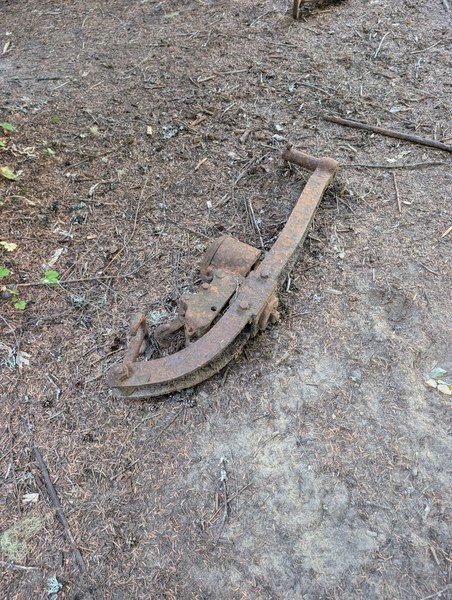
This trip was about more than just the miles or summits. Necklace Valley carries the weight of history—old mining remnants from the late 1800s, when small-scale operations scratched for copper and gold but ultimately abandoned the effort. These rusting artifacts now sit alongside alpine lakes, half reclaimed by moss and silence.
The loss of the Hinman Glacier hit harder than expected. It once fed the Skykomish River, cooling its flows for salmon and farmers during summer’s driest months. Now, its absence is part of a larger story—55% of glacier surface area in the Skykomish basin has vanished since the 1950s. Standing on bare rock where living ice should have been felt like witnessing a eulogy in stone.
And yet, amid all that, there was joy: laughter around camp, shared effort on sketchy terrain, the simple beauty of alpine sunsets. A beautiful weekend with great people, tied together by peaks, stories, and the fragile wilderness we’re lucky enough to walk through.