 The Mountaineers

The Mountaineers relies on technology to stay connected and support our mission. From using laptops to register for courses to using cell phone apps for backcountry navigation, technology plays an essential role in our daily operations. But while tech can make our lives more efficient, it also comes with environmental costs.
For example, the energy required to manufacture electronics, power data centers, and keep our devices running contributes to greenhouse gas emissions. The hidden carbon footprint of our digital lives, often referred to as “digital pollution”, is easy to overlook because it doesn’t come with the obvious exhaust pipe of a car or the visible plastic waste of a single-use item. As an organization, we seek to use technology mindfully, making small but meaningful choices to reduce its environmental impact. In our ongoing work with the Carbon Footprint Reduction Committee, staff has identified ways to be more conscious in our use of hardware, software, and AI tools. We’re excited to share how you can join us in adopting low-impact tech practices at home and at work.
Using Technology Mindfully
Rather than implementing sweeping tech reforms, our focus is on being thoughtful with the systems we already have in place and striking a balance between efficient and mindful use.
Extending the Life of Our Equipment
One way we accomplish a lower impact is through our minimum five-year replacement cycle for laptops, which helps ensure devices remain functional and secure without the unnecessary environmental costs of frequent upgrades. Keeping machines for longer reduces the need for manufacturing new components, a process which often carries a hefty carbon footprint due to mining, shipping, and assembly.
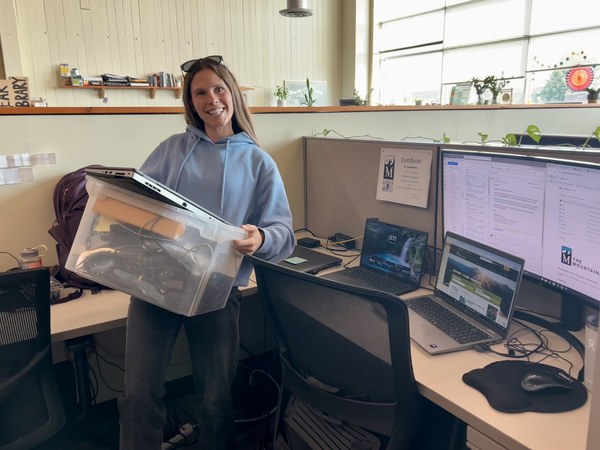
In addition to keeping devices longer, we carefully maintain the devices we have through regular updates and swapping out individual parts that may retire early. When our computers do reach the end of their lives, we donate or recycle them responsibly, diverting e-waste from landfills and supporting circular technology systems.
Making the Most of Online Tools
Since our staff and volunteers reside all over Washington and beyond, we rely on video calls, cloud platforms, and online communications to stay connected. These tools help reduce our reliance on car and air travel (a major source of carbon emissions), but they also use energy, particularly when we default to high-bandwidth options like video streaming. Within our hybrid staff environment, we prioritize in-person meetings when possible.We also encourage participants to turn off video during large meetings or when screen sharing, and to use audio-only calls when possible. These simple actions reduce the amount of data transferred across networks and lighten the load on servers and infrastructure.
Our cloud-based phone system further minimizes our need for on-site hardware and makes it easier for staff to work flexibly from wherever they are, thus cutting down on unnecessary commute and in-person travel.
Exploring the Role of AI
In recent months, we’ve began exploring the use of Artificial Intelligence (AI)-powered tools to assist staff and volunteers. While AI can increase efficiency, it can also come with a significant environmental impact, especially when the AI usage involves image generation or large-scale data analysis queries that require intense computing power.
We are being cautious and curious in how we incorporate AI into our work. Our current approach emphasizes:
- Short, focused queries to reduce unnecessary computational demand.
- Minimal use of image generation, focusing on text when possible.
- Human-in-the-loop practices, where AI supports but does not replace thoughtful human judgment.
Our goal is to use AI where it helps us work smarter, not just faster, and to remain mindful of the energy consumption behind the scenes. We strive for AI usage to reduce administrative burdens and streamline common processes and questions that can slow down our volunteer-led community, ultimately helping our members spend more time outdoors.
What You Can Do
Sustainability in technology isn’t just a concern for big companies or IT departments, it’s something each of us can contribute to through low impact individual habits. Here are some ways you can reduce the carbon footprint of your technology use at home or in your volunteer work with The Mountaineers:
Extend the Life of Your Devices
- Keep and use your phone, laptop, and tablets for as long as possible. Most emissions come from manufacturing, so the longer you keep your device, the better.
- Invest in a protective case and screen cover to prevent accidents.
- Delete unused apps and keep software up to date to maintain performance.
Unplug and Power Down
- Turn off devices when not in use, especially overnight.
- Use smart power strips that cut off phantom energy from plugged-in devices.
- Switch your browser’s default search engine to one with lower data usage, or try minimalist search engines like Ecosia or DuckDuckGo.
Stream Smarter
- Reduce video resolution when watching or attending non-critical video meetings.
- Turn off your camera during group calls or when screen sharing, unless interaction is needed.
- Opt for audio-only streaming (podcasts, news, etc.) when video isn’t necessary.
Recycle Responsibly
- Don’t throw old devices in the trash, they contain rare earth metals and hazardous materials.
- Look for local e-waste recycling events or drop-off centers.
- Consider donating working devices to community organizations.
Use AI Responsibly
- Use AI to save time, not just for fun.
- Avoid unnecessary image or video generation.
- Rethink whether a task truly needs an AI tool or if simpler options will suffice.
Offset or Power Your Tech Sustainably
- If you have solar panels or choose a renewable energy plan for your home, your tech use has a smaller carbon footprint.
- Consider supporting digital carbon offset projects.
Small Steps, Shared Impact
Technology is deeply embedded in our work and lives, and while we may not be able to unplug entirely, we can take steps to reduce our collective footprint. The Mountaineers strives to remain thoughtful about how we use the digital tools that support our mission. With each low-impact choice, we move a little closer to a more climate-resilient future.
We are always open to suggestions on ways we could improve. Comment below what additional low-impact tech choices our community can consider. Together, our small decisions can add up to a big difference.
