 The Mountaineers
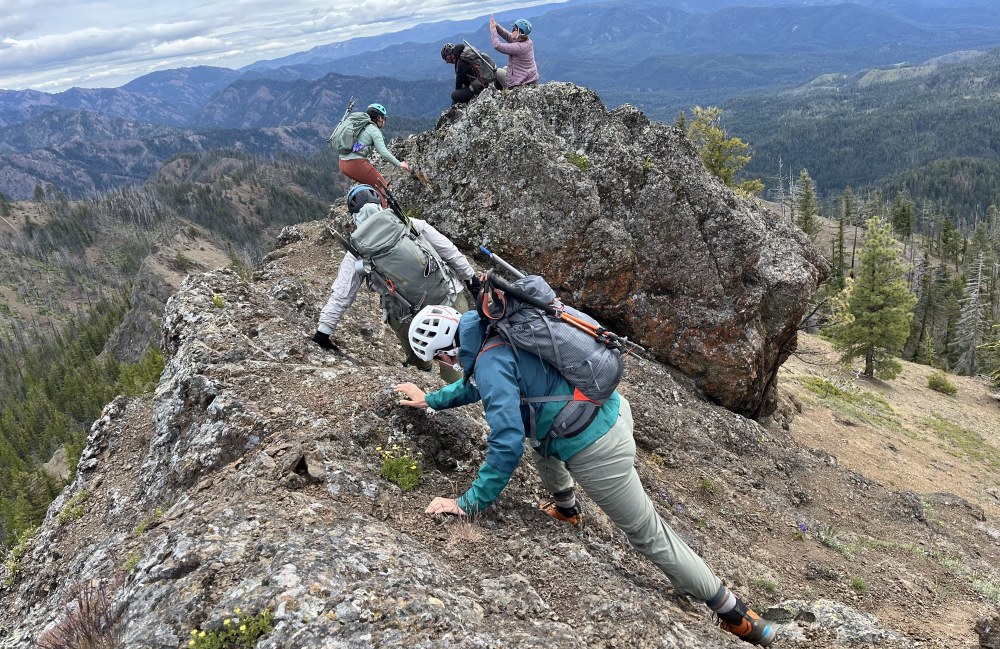
Over the last two months we’ve shared about the administration’s intent to roll back the Roadless Rule and how Washington’s Roadless Areas support Mountaineers adventures. Now the USDA has formally launched a federal rulemaking process to rescind Roadless protections for nearly 45 million acres of the National Forest System. Nearly two million acres of Washington’s forests would be put at risk. It’s time to take action once again in support of Roadless Areas.
The Forest Service is currently accepting public comment through September 19 on their proposed Notice of Intent to rescind the Roadless Rule. While this is just the first stage of the rulemaking process, the next 10 days present a key opportunity to rally support for Roadless protections. We’re calling on our community to speak up for backcountry forest recreation, and we need your voice. We’ve made it easy to personalize and submit your comments using our action form.
Roadless Areas Protect Backcountry Recreation and Old Growth
Since 2001, the Roadless Rule has protected vulnerable old-growth forests, natural and cultural resources, fish and wildlife habitat, and backcountry recreation opportunities. The Roadless Rule is extremely important to the outdoor recreation community, as Roadless Areas support 11,337 climbing routes and boulder problems, more than 1,000 whitewater paddling runs, 43,826 miles of trail, and 20,298 mountain biking trails across the country. Learn more with this map of Roadless Areas from our friends at Outdoor Alliance.
While Roadless Areas don’t have signage like Wilderness Areas do, they provide many of the same recreational resources and opportunities found in Wilderness. These areas support Mountaineers programs and other recreational opportunities across Washington’s six national forests - places like Mount Baker, Lake Quinault, and Washington Pass. Other popular destinations within Washington Roadless Areas include the Maple Pass Loop Trail in the North Cascades and Mount Townsend in the Olympics.
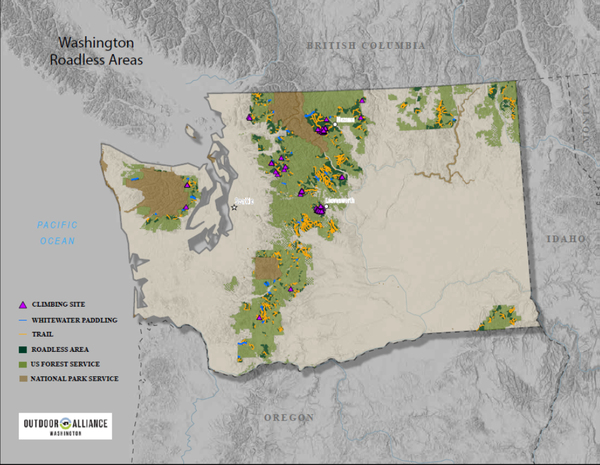
Washington Roadless Areas map, courtesy of Outdoor Alliance.
Defending the Roadless Rule
The Roadless Rule is broadly supported and was developed with extensive public input. A full rescission of the rule would open up the backcountry places we love to logging, road construction, and development. Simply lifting Roadless protections won't automatically trigger new development, but local forest plans would be vulnerable to changes that greenlight these activities. A national rule is important for protecting our national forests and the values they support, and ensuring these forests are not fragmented through local decision-making.
This landmark conservation measure isn’t perfect, but it strikes a balance between conservation, recreation, and fire risk mitigation. Rather than jumping directly to a sweeping repeal, the agency should do a thorough analysis of targeted changes to hone the balance among those priorities.
The effort to rescind the Roadless Rule is part of a larger push to develop and weaken protections for public lands. One of the administration's justifications for the rollback is the need to reduce wildfire risk. However, more roads into backcountry areas actually increase wildfire risk. Roads are also expensive to build and maintain, especially in the face of a growing maintenance backlog on the national forest road system.
We’re advocating with partners like Outdoor Alliance to defend the Roadless Rule because protecting backcountry forest areas isn’t just about recreational access - preserving Roadless Areas helps maintain intact old-growth forests so they can store carbon and support thriving ecosystems and biodiversity.
The Mountaineers will be commenting on behalf of our community, but personalized letters from outdoor enthusiasts are critically important. Your connection to Washington's national forests and the recreation experiences they provide can translate to compelling advocacy to defend the Roadless Rule. The Forest Service is particularly interested in comments that address outdoor recreation and the recreation economy.
The agency will use the feedback received from the public to shape how they move forward with their rollback effort. We anticipate future opportunities to inform the process in 2026. Our collective advocacy now and moving forward is critical to laying the groundwork for future advocacy to defend Roadless Areas forest by forest.
Take Action
Join our advocacy by sharing your stories and experiences on backcountry forests. Personalize a letter to USDA Secretary Brooke Rollins using our action form. We’ll submit your letter through the Forest Service’s public comment portal on your behalf.
Personalized public comments that include your stories and experiences in Roadless Areas will highlight the importance of Roadless Areas to backcountry recreation in Washington state and across the country. Thank you for adventuring with the purpose to protect our forests - from the Olympic to the Gifford Pinchot and wherever the trail leads you.
