Trip Report
Global Adventure - Dayhike Newfoundland with a Naturalist and Culture Focus
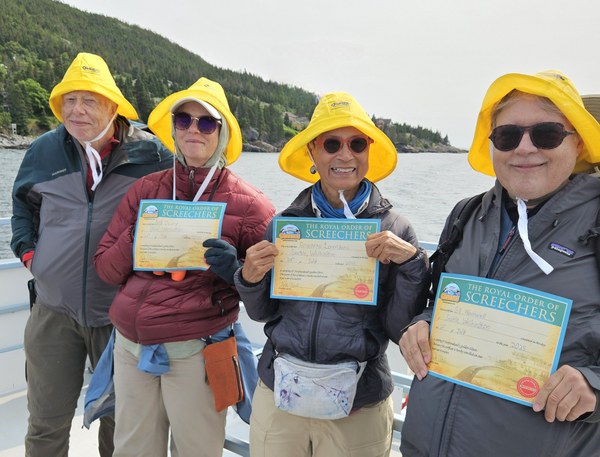
We visited both coasts of this big island. Hikes, naturalist outings, historic sites & museums - some self-guided, some professionally guided. Ten hikes involving a diversity of ecosystems. Quaint, rustic or farm-stay lodgings. Newfoundlanders enjoy a slower paced lifestyle and loved to tell us their stories. At the end of the trip, we were all "screeched in" to become honorary Newfoundlanders.
 Roseanne Lorenzana
- Sat, Jul 12, 2025 — Sat, Jul 26, 2025
- Global Adventure - Dayhike Newfoundland with a Naturalist and Culture Focus
- Dayhike Newfoundland with a Naturalist and Culture Focus
- Global Adventures, Day Hiking & Naturalist
- Successful
-

- Road suitable for all vehicles
-
All hikes were on trails created & maintained by Parks Canada. Trails through bog & wetland areas were often on boardwalks – which when wet were surprisingly not slippery. Trails through boreal forest or arctic-alpine barrens always included rocks & roots; some were entirely rocky which slowed the pace. In Gros Morne NP, there was very little top soil which meant that after an evening rain, the trail may be wet but not muddy. We had only one hiking-day of soaking rain; and then, only for a couple hours. Despite the preponderance of wet habitats, as well as small to large freshwater pools/ponds, biting insects were only a minor annoyance. One participant seemed to have a skin reaction to the bites but it subsided after a few days. Other participants were not bothered by insects. It was always windy, especially near a coastline – winds 10-15mph (up to 20-30mph), gushes 20-30 mph (up to 35-45mph). Air temps ranged from upper 50’s to upper 70’s with sunshine or overcast or fog. It is said there are 150,000 moose on NFLD; therefore, we stayed off the roads during dawn or dusk. However, we never saw a moose, anywhere.
The itinerary was designed with the ability to rearrange hikes & activities depending on weather conditions. This flexibility was utilized resulting in all planned activities & hikes being accomplished plus the addition of 1 optional hike ... so, 10 hikes in all (not counting the urban walks).
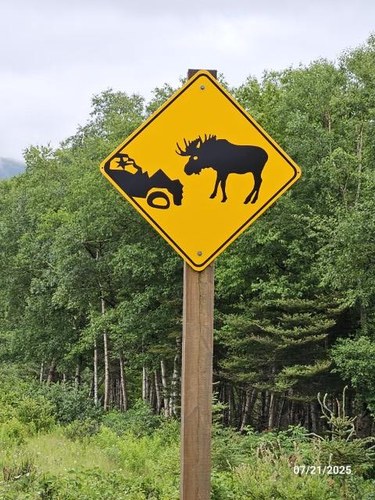
Moose warning road sign
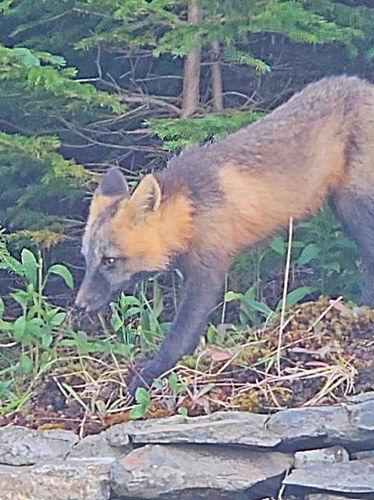
On July 12, four Mountaineers met in St. John’s, the capital city of the Canadian province of Newfoundland (NFLD), to begin a day-hiking, naturalist and cultural trip. Newfoundland island is the eastern-most extent of the North American continent; so far east that it has its own time zone. Pictures & ID of the flora and fauna can be viewed on the trip leader’s records on iNaturalist (link to trip leader’s iNaturalist observations).
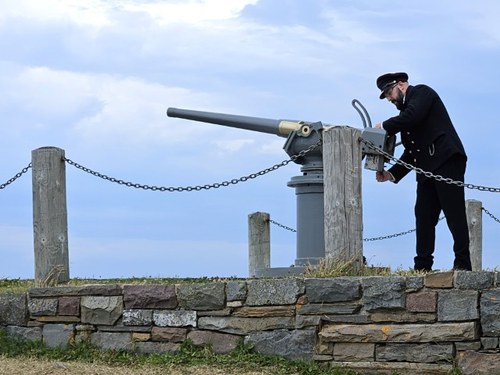
Day 1.Cape Spear Lighthouse National Historic Site. Parks Canada guided tour of NFLD’s oldest lighthouse restored to 1839 appearance, the WWII coastal defense battery and the dramatic coastline where we observed whales. After the Global Adventures welcome lunch, walk through the Salmonier Nature Park with time in the Wildlife Discovery Centre.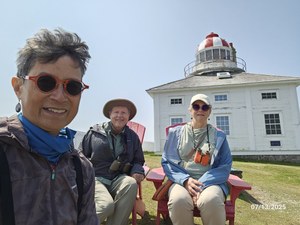
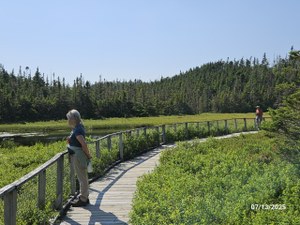
Day 2. Cormac, NFLD. Site of the Upper Humber Settlement and first night of our farm stay hosted by Mark & Lauralee, descendants of original settlers & local native people.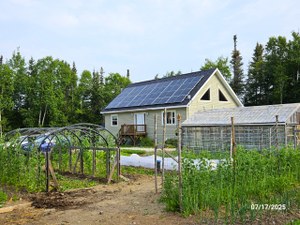
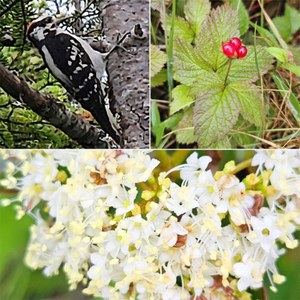
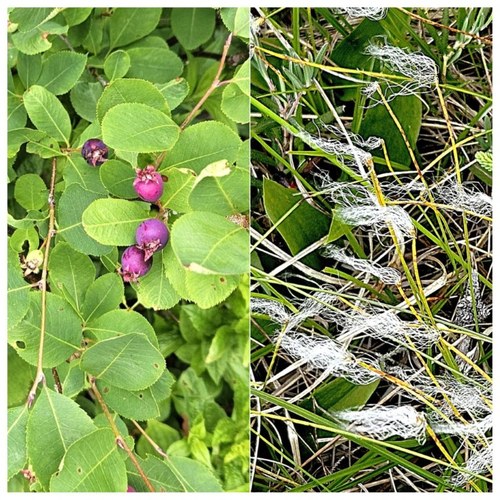
Day 3. Green Gardens hike, Gros Morne National Park. Birds, berries and blossoms. Starts thru the open serpentine barrens of the Tablelands, descends through boreal forest to a fertile volcanic sea coast.
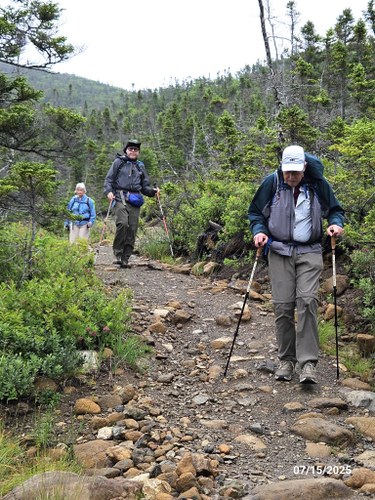
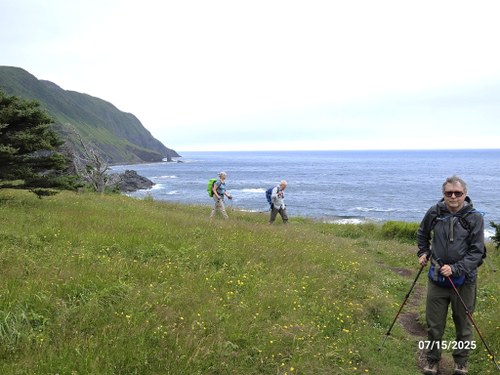
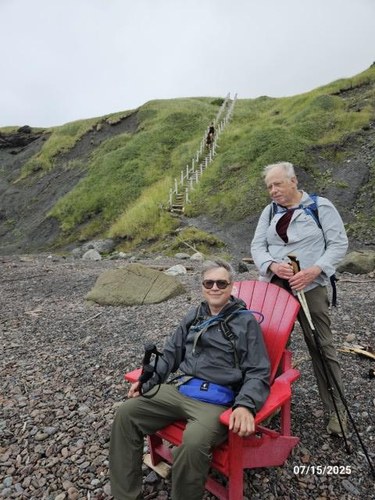
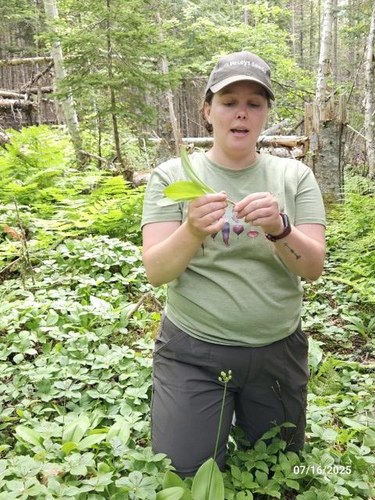
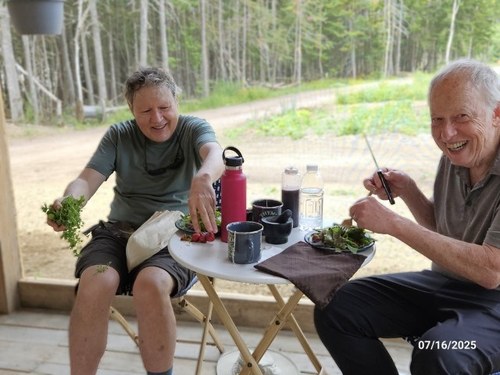
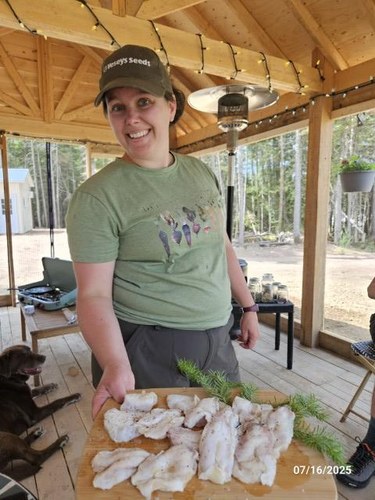
Day 4. “Farm & Forage” guided tour to discover Upper Humber Settlement’s approach to sustainable farming – such as growing strawberries in what appears to be a parcel of tall “weeds”, while a challenge to find & harvest, also prevents scavenging by birds & reduces the need to water. Supervised foraging of plants which one might otherwise consider to be “weeds” along with edible woodland plants & trees to create our own luncheon salads. Our salads were served with pan-braised cod tongues & beverages made with edible and sometimes medicinal plants.
Day 5. Parks Canada guided tour of The Tablelands, a unique geological feature of an exposed section of the Earth's mantle that was thrust to the surface during plate tectonic collisions. Followed by a Parks Canada guided tour of medicinal plants by a member of the Mi'kmaw nation.
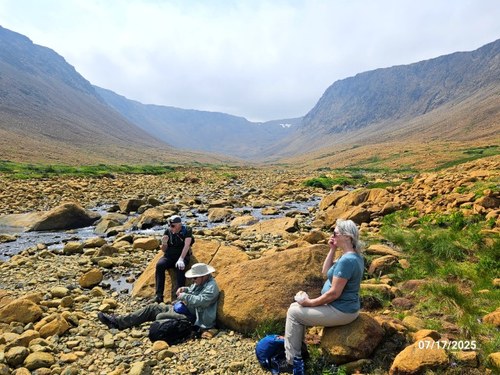
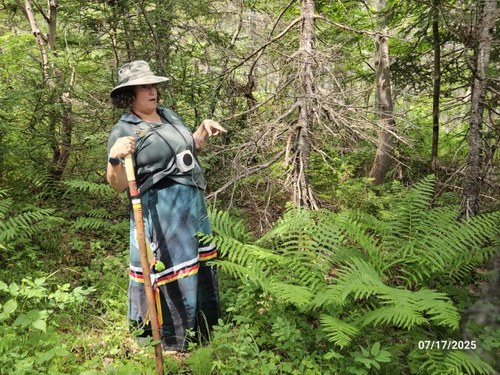
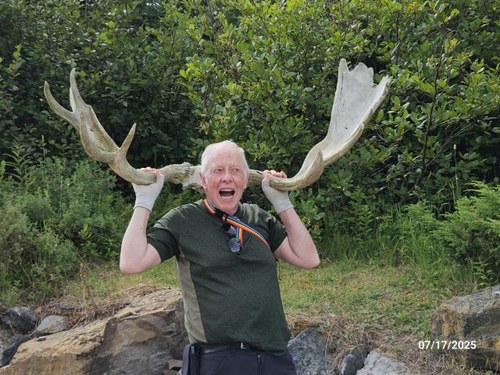
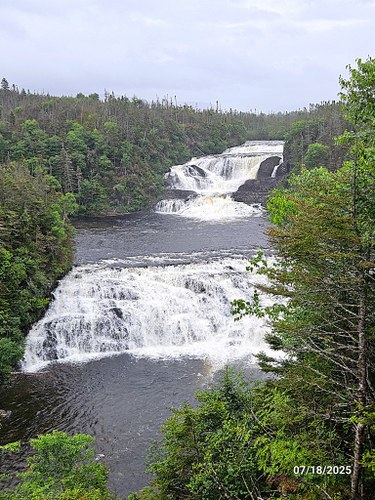
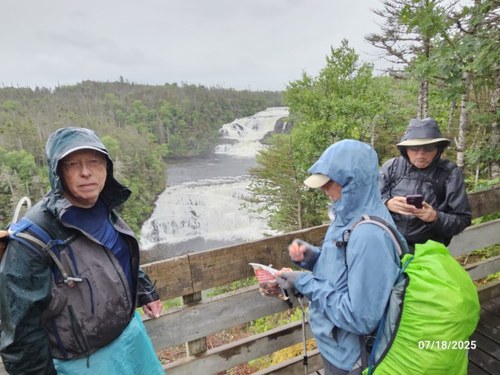
Day 6. Baker’s Brook Falls hike, Gros Morne National Park, through balsam fir and tamarack (larch) forest to Baker's Brook Falls, a series of cascades over limestone ridges. The trail also passed through a moose ex-closure (an enclosure take keeps out moose) that demonstrated the impact of heavy moose browsing which has limited regrowth of NFLD forests. Torrential rain started just before we reached the intended turnaround point at the waterfall viewpoint. It lasted only a couple hours, but soaked thru almost everyone’s rain gear & boots.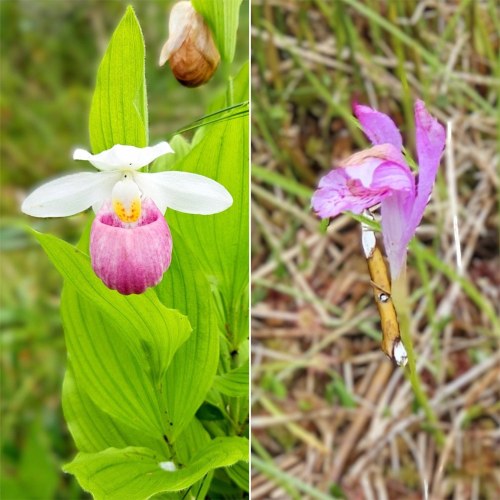
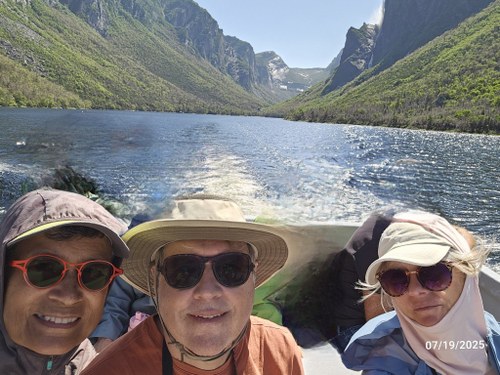
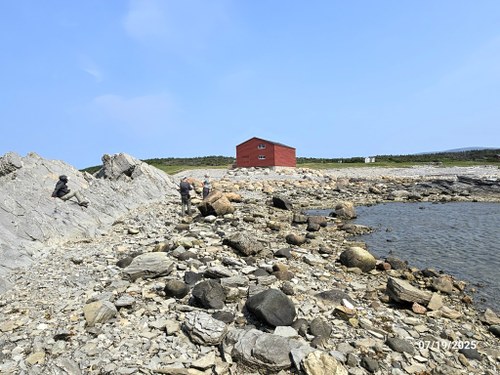
Day 7. Western Brook Pond interpretive boat tour of glacier-carved land-locked fjord, waterfalls cascading from 2000 feet. Hike to Broom Point and a historic fishing exhibit showcasing the life of a fishing family plus conversation with a Parks Canada ranger who explained how historic cod fishing traps and lobster traps were built with local materials & used, including tales from his own family’s history in the area.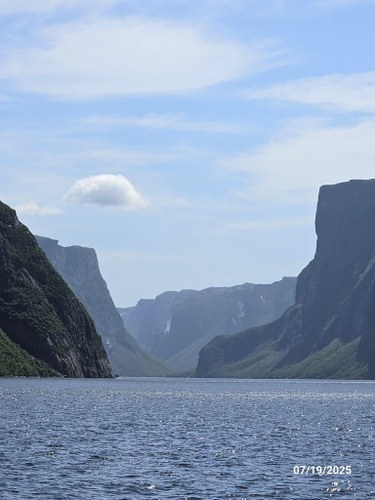
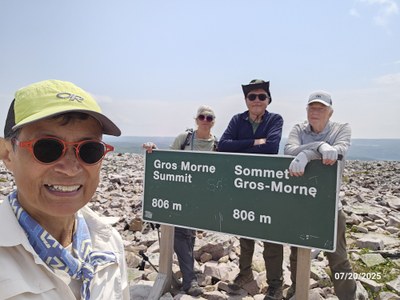
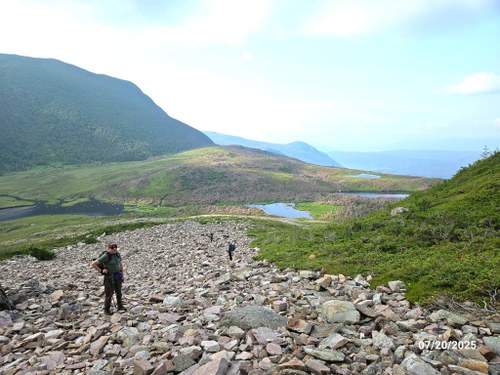
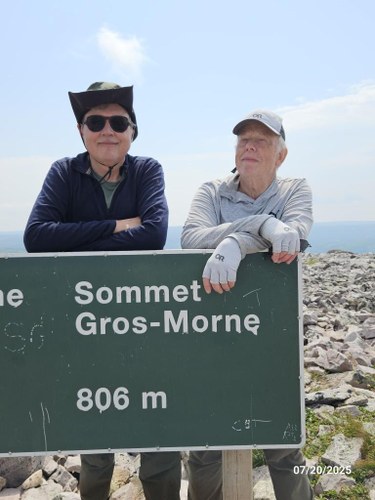
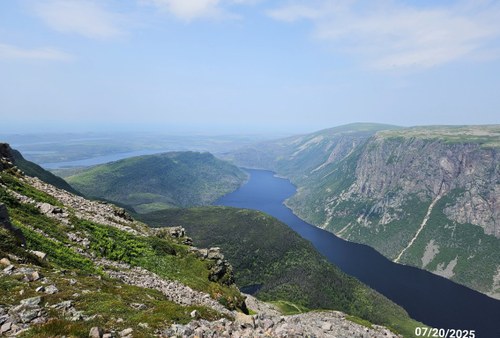
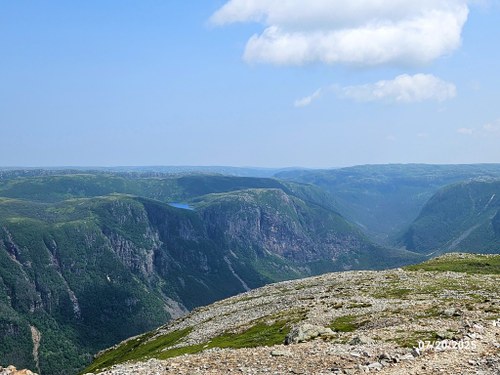
Day 8. Hike to Gros Morne Mountain, 2nd highest mountain on the island of Newfoundland (elev ~2600’). The flat summit is a harsh yet beautiful Arctic-alpine environment where we saw a ptarmigan and heard her chicks peeping from within the shrubbery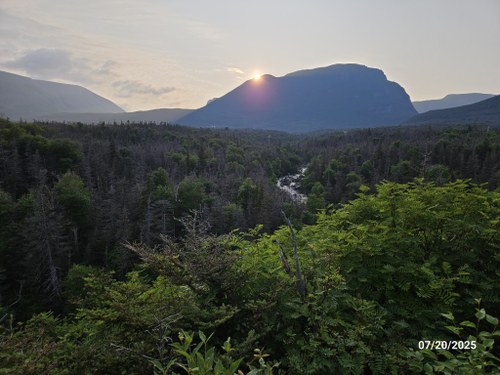
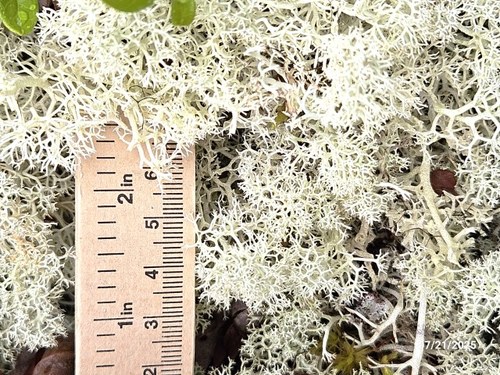
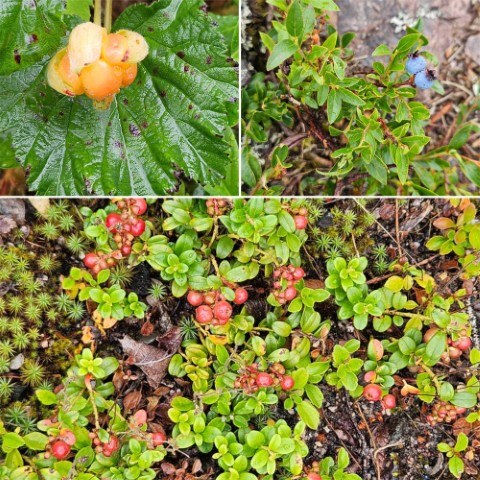
Day 9. Visit Demasduit Regional Museum for an understanding of the 8000 year human history of Newfoundland and the eventual industrialization of mining, fishing & timber. Then, hike the Ochre Hill trail at Terra Nova National Park where there were lots of different mosses & lichens, as well as abundant berries.
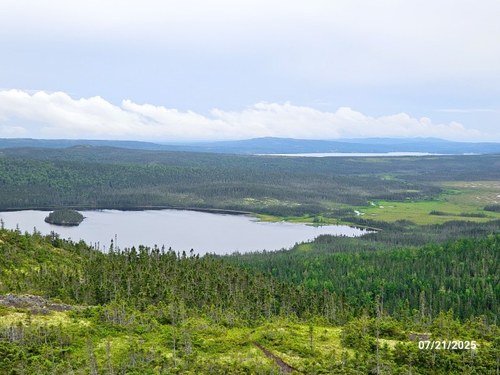
Day 10. Bonavista Lighthouse and Mockbeggar Plantation Historic Sites guided tours. No hiking today due to excessively high winds, rain and dangerous gusts. Mockbeggar Plantation is so named because the English term for settlers was “planter”. This was a fisheries plantation for processing, storing salt fish, sales and a cod liver oil factory. Not many outdoor pictures today due to the extreme weather.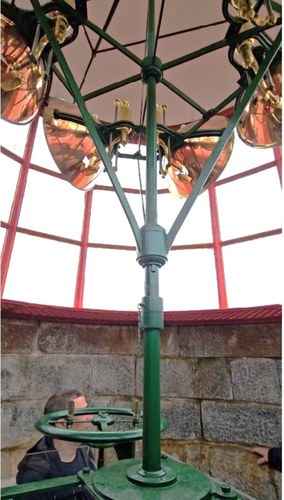
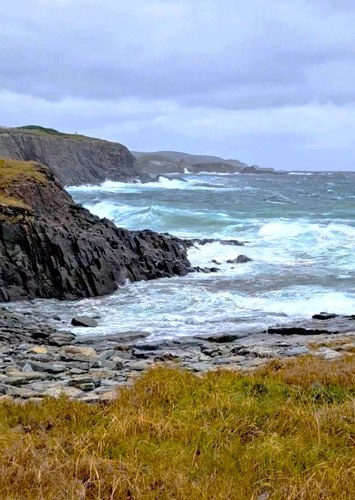
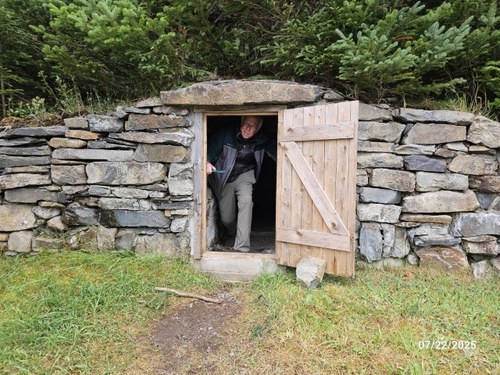
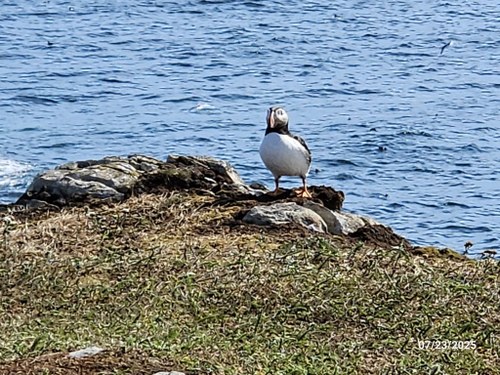
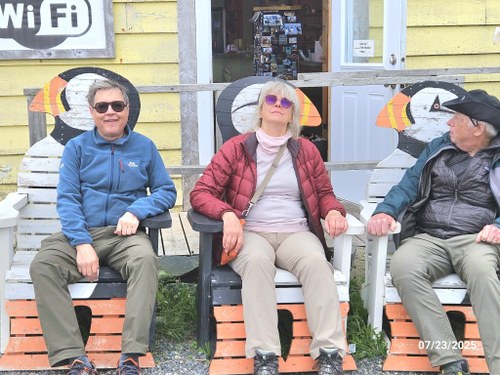
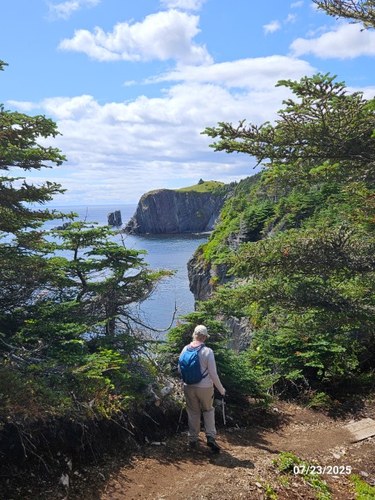
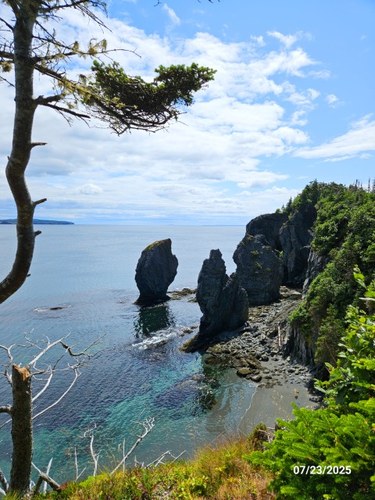
Day 11. What difference a day makes in the weather. Bonavista Peninsula walk to Elliston settlement’s puffin viewing site, the closest view of puffins, from the land, in all of North America. Puffins fly close to viewers and often land on the cliffs just several feet away. Followed by a hike on the Swerkink coastal trail.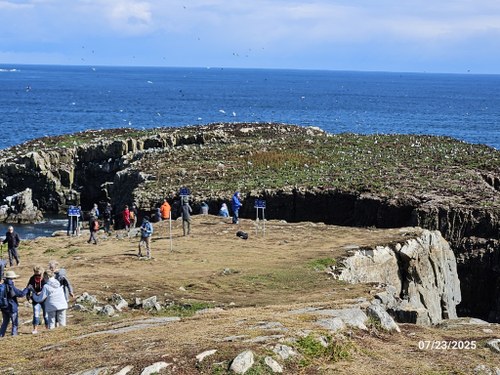
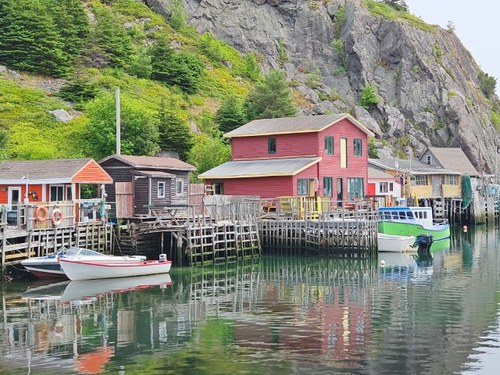
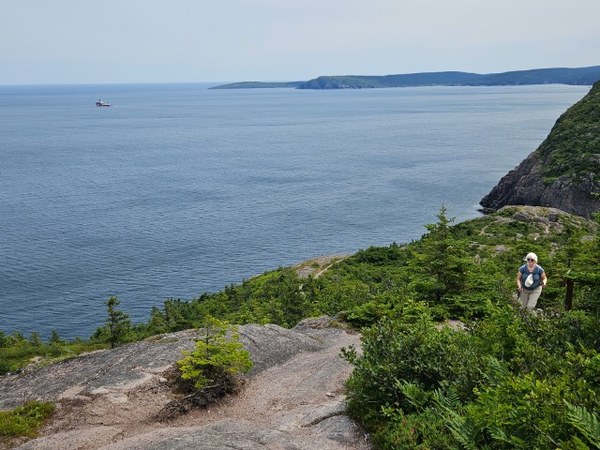
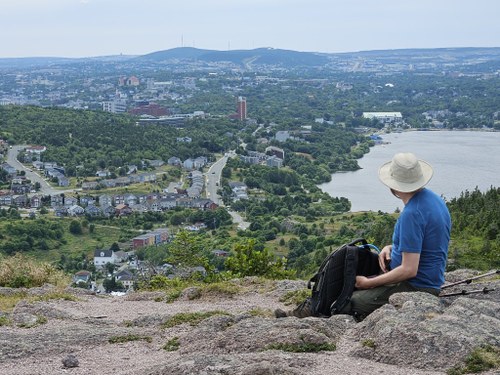
Day 13. Hike to Signal Hill National Historic Site for guided tour of batteries, barracks and history of Canada's defense and wireless communications history. It provides panoramic views and military pageantry. Farewell group dinner at restaurant in St. John's.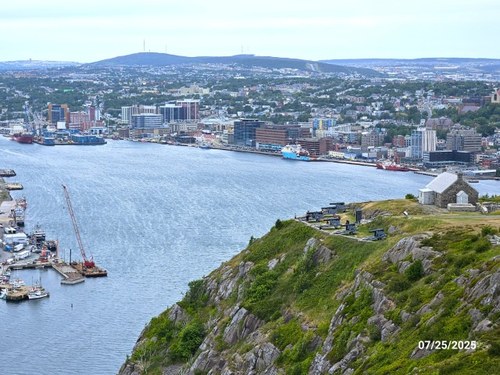
Day 14. Turn in rental vehicle and depart for USA.